
Artificial intelligence is no longer a futuristic concept in recruitment. It is a present-day operational necessity for organizations seeking efficiency. According to recent industry data, companies leveraging AI in their hiring workflows report a significant reduction in time-to-fill metrics. This shift is driven by the need to process vast amounts of candidate data quickly and accurately. The integration of intelligent systems allows recruiters to focus on high-value interactions rather than administrative burdens. As the talent market becomes increasingly competitive, the ability to automate routine tasks provides a decisive advantage. This guide explores how to implement these technologies effectively while maintaining human-centric hiring practices.
Understanding AI in Recruitment
Before diving into specific tools, it is essential to define what AI brings to the table. AI in recruitment refers to the use of machine learning algorithms and natural language processing to automate and enhance hiring tasks. This technology analyzes patterns in data to predict candidate success and improve decision-making. The core value lies in its ability to scale without sacrificing quality. Traditional methods often struggle with volume, leading to bottlenecks and candidate drop-off. AI systems can process thousands of applications in minutes, identifying top talent based on predefined criteria. This efficiency allows HR teams to redirect their energy toward building relationships and assessing cultural fit. For a deeper look at how these technologies are categorized, you can explore the types of AI recruiting solutions available in the market.
The transition to AI-driven hiring is not just about speed. It is about precision. By removing human bias from initial screening stages, organizations can create a more equitable hiring process. This approach ensures that candidates are evaluated on their skills and experience rather than unconscious prejudices. The result is a more diverse and qualified talent pool. Understanding the foundational concepts is the first step toward successful adoption. You can learn more about the philosophy behind connected candidate solutions to see how this aligns with modern HR goals.
Key AI Applications in Hiring
AI is not a monolithic tool. It consists of various applications that address different stages of the recruitment funnel. Each application serves a specific purpose in streamlining the workflow. Below are the primary areas where AI delivers the most impact.
1. Automated Resume Screening
Resume screening is often the most time-consuming part of the hiring process. AI-powered Applicant Tracking Systems (ATS) can parse resumes and rank candidates based on relevance. These systems use natural language processing to understand context, synonyms, and job requirements. This reduces the risk of overlooking qualified candidates due to keyword mismatches. The accuracy of these screenings improves over time as the system learns from recruiter feedback. For more details on how assessment tools integrate with screening, visit the assessment features page.
2. Intelligent Candidate Sourcing
Sourcing top talent requires looking beyond active job seekers. AI tools can scan professional networks and databases to identify passive candidates who match specific profiles. These tools use predictive analytics to determine which candidates are most likely to be open to new opportunities. This proactive approach expands the talent pool significantly. It also reduces the cost per hire by minimizing reliance on expensive job boards. The ability to connect with the right candidates at the right time is a game-changer for recruiters.
3. Chatbots and Candidate Engagement
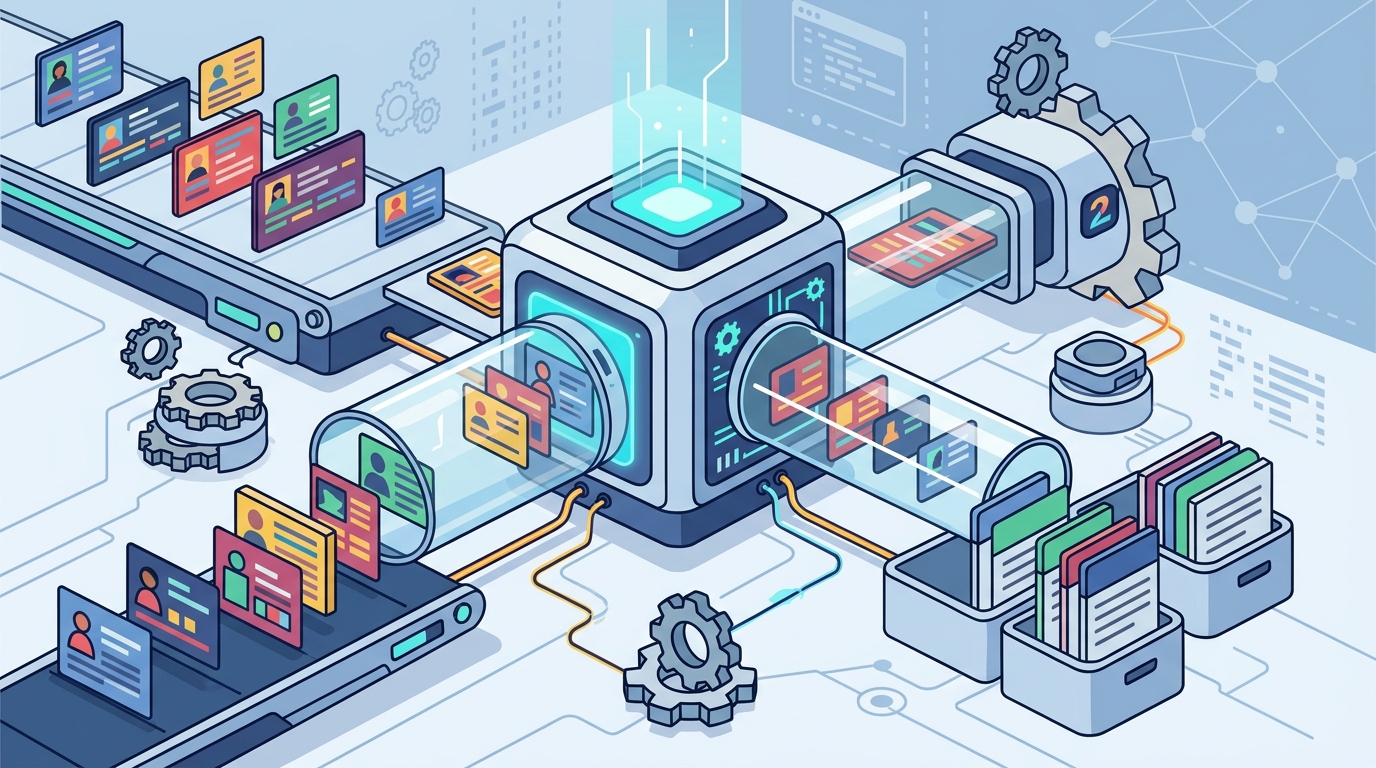
Candidate experience is a critical factor in hiring success. AI chatbots can engage with applicants 24/7, answering common questions and scheduling interviews. This immediate responsiveness keeps candidates engaged and reduces drop-off rates. Chatbots can also collect preliminary information, such as availability and salary expectations, before human interaction. This ensures that recruiters only spend time on qualified leads. The features of modern recruiting platforms often include these engagement tools as standard.
Implementation Strategy
Implementing AI in your hiring process requires a strategic approach. It is not just about buying software. It is about integrating technology into your existing workflows. Here is a step-by-step guide to successful implementation.
Step 1: Audit Your Current Process
Start by identifying bottlenecks in your current hiring workflow. Where do candidates drop off? Which tasks take the most time? This audit will help you determine which AI tools will have the highest impact. Focus on areas with the greatest potential for efficiency gains. For example, if resume screening is a major bottleneck, prioritize an AI-powered ATS.
Step 2: Define Your Success Metrics
Establish clear metrics for measuring the success of your AI implementation. These might include time-to-fill, cost-per-hire, or candidate satisfaction scores. Having defined metrics allows you to track progress and make data-driven adjustments. It also helps in justifying the ROI of the technology to stakeholders. You can find more insights on measuring success in the recruiting blog.
Step 3: Choose the Right Partner
Not all AI solutions are created equal. Choose a partner that offers transparent algorithms and robust support. Look for platforms that prioritize data privacy and security. The contact team at Match2 can provide guidance on selecting the right solution for your needs.
Comparing AI Solutions
Selecting the right AI tool can be overwhelming. Below is a comparison of common AI recruiting solutions to help you make an informed decision.
| Feature | AI Resume Screeners | Candidate Chatbots | Predictive Analytics |
|---|---|---|---|
| Primary Function | Automate resume parsing and ranking | Engage candidates and schedule interviews | Predict candidate success and retention |
| Best For | High-volume hiring | Improving candidate experience | Strategic workforce planning |
| Integration Level | High (Core ATS feature) | Medium (Standalone or add-on) | High (Requires data history) |
| ROI Timeline | Immediate | Short-term | Long-term |
Each solution offers unique benefits. The best approach often involves a combination of these tools. For instance, using a chatbot for initial engagement followed by AI screening can create a seamless candidate journey. Understanding the frequently asked questions about AI recruiting can also clarify common concerns.
Addressing Bias and Ethics
One of the most significant concerns with AI in hiring is the potential for bias. AI systems are only as unbiased as the data they are trained on. If historical hiring data contains biases, the AI may perpetuate them. To mitigate this, organizations must regularly audit their AI algorithms for fairness. This includes reviewing the criteria used for ranking and screening. Transparency is key. Candidates should understand how their data is used and have the option to opt-out. Ethical AI use is not just a moral imperative. It is a legal requirement in many jurisdictions. For more information on compliance and best practices, refer to the FAQ section on data privacy.
Key Takeaways
- Efficiency Gains: AI can reduce time-to-fill by up to 50% in high-volume hiring scenarios.
- Bias Reduction: Properly audited AI systems can minimize unconscious bias in initial screening.
- Candidate Experience: AI chatbots improve response times and keep candidates engaged throughout the process.
- Data-Driven Decisions: Predictive analytics provide insights into candidate success and retention.
- Scalability: AI allows HR teams to handle increased application volumes without proportional increases in headcount.
- Strategic Focus: Automation frees up recruiters to focus on relationship building and strategic planning.
- Continuous Improvement: AI systems improve over time as they learn from recruiter feedback and outcomes.
Frequently Asked Questions
Is AI replacing human recruiters?
No, AI is designed to augment human recruiters, not replace them. It handles repetitive tasks, allowing recruiters to focus on complex decision-making and relationship building.
How does AI reduce bias in hiring?
AI can reduce bias by focusing on skills and qualifications rather than demographic information. However, regular audits are necessary to ensure the algorithms remain fair and unbiased.
What is the ROI of AI in recruitment?
The ROI varies by organization but typically includes reduced time-to-fill, lower cost-per-hire, and improved quality of hire. Many companies see a positive ROI within the first year of implementation.
Can AI handle passive candidates?
Yes, AI sourcing tools can identify and engage passive candidates who are not actively looking for jobs but match the desired profile.
Is candidate data secure with AI tools?
Reputable AI recruiting platforms prioritize data security and compliance with regulations like GDPR and CCPA. Always verify the security measures of any provider you choose.
How long does it take to implement AI?
Implementation time varies depending on the complexity of the system and the organization's size. Basic integrations can be set up in weeks, while comprehensive deployments may take months.
What skills do recruiters need to work with AI?
Recruiters need to understand how to interpret AI insights and adjust criteria as needed. Technical skills are less important than strategic thinking and adaptability.
Next Steps
Ready to transform your hiring process? AI offers a powerful way to streamline operations and attract top talent. Start by auditing your current workflow and identifying areas for improvement. Then, explore the assessment solutions offered by Match2 to see how our connected candidate approach can help. Schedule a demo today to see the platform in action and discover how we can support your recruitment goals.