
Artificial intelligence is no longer a futuristic concept in recruitment. It is a present-day necessity for organizations seeking efficiency. According to recent industry data, companies using AI in their hiring processes report a significant reduction in time-to-hire metrics. This shift is driven by the need to process vast amounts of candidate data quickly and accurately. The modern talent market demands speed, and AI provides the infrastructure to meet that demand. By automating repetitive tasks, recruiters can focus on high-value interactions. This guide explores how to implement these technologies effectively.
Understanding AI in Recruitment
Before diving into implementation, it is crucial to define what AI actually does in this context. AI in recruitment is the application of machine learning algorithms to automate and optimize hiring tasks. This includes everything from resume screening to interview scheduling. The technology analyzes patterns in historical hiring data to predict candidate success. It does not replace human judgment but enhances it by providing data-driven insights. Understanding this distinction is vital for successful adoption.
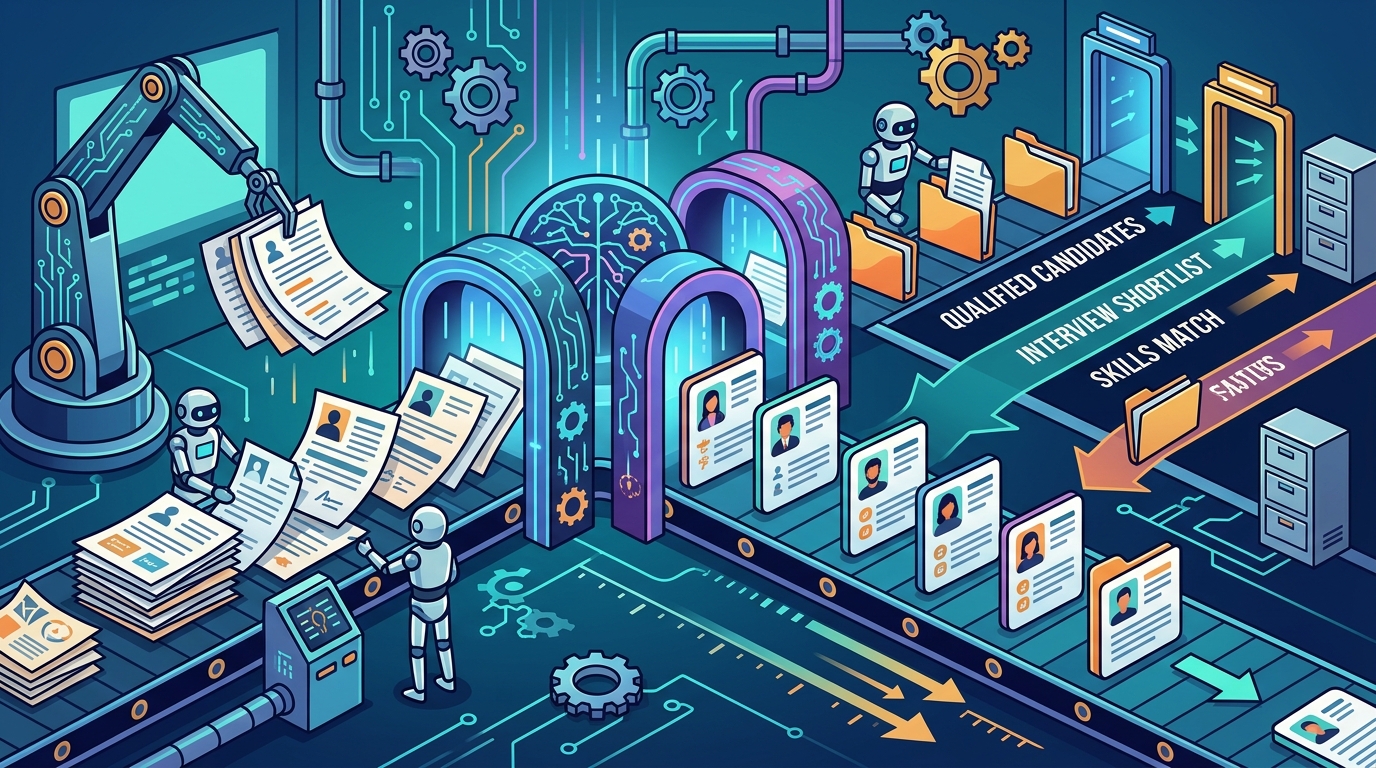
Many organizations struggle with the volume of applications they receive. Manual screening is slow and prone to human error. AI systems can process thousands of resumes in seconds. They rank candidates based on predefined criteria and job requirements. This ensures that the most relevant profiles rise to the top. The result is a more efficient and consistent hiring pipeline.
Key Benefits of AI Integration
The advantages of integrating AI into your hiring workflow are substantial. First, it drastically reduces time-to-hire. Recruiters spend less time on administrative tasks and more time engaging with top talent. Second, it improves candidate quality. By using predictive analytics, AI can identify candidates who are not just qualified but likely to succeed in the role. This leads to better retention rates and lower turnover costs.
Another significant benefit is the enhancement of the candidate experience. AI-driven chatbots can answer candidate questions instantly, 24/7. This responsiveness is critical in today's competitive job market. Candidates expect quick feedback and clear communication. AI ensures that no applicant falls through the cracks due to human oversight. For more insights on these benefits, you can explore the Match2 blog for detailed case studies.
Speed and Efficiency
Speed is the primary driver for AI adoption. Traditional hiring processes can take weeks or months. AI compresses this timeline significantly. Automated screening tools can shortlist candidates in minutes. This allows hiring managers to move quickly when top talent is available. In a competitive market, speed often determines the winner.
Data-Driven Decision Making
AI provides objective data to support hiring decisions. It removes subjective biases that can creep into manual reviews. By focusing on skills and experience, AI creates a more meritocratic process. This approach aligns with modern diversity and inclusion goals. It ensures that every candidate is evaluated on their potential contribution.
Implementation Strategies
Implementing AI requires a strategic approach. Start by identifying the bottlenecks in your current hiring process. Is it resume screening? Interview scheduling? Or perhaps candidate engagement? Focus your AI efforts on these high-impact areas. AI assessment is a critical component for evaluating candidate skills objectively. Match2 offers specialized tools in this area to help you assess candidates effectively.
Integration with your existing Applicant Tracking System (ATS) is essential. The AI tools should seamlessly connect with your current workflow. This ensures that data flows smoothly between systems. It also prevents the need for recruiters to switch between multiple platforms. A unified system reduces friction and increases adoption rates.
Training your team is equally important. Recruiters need to understand how to interpret AI insights. They must learn to work alongside the technology, not against it. This collaborative approach maximizes the value of AI. For more information on assessment tools, visit the Match2 Assess page.
Choosing the Right Tool
Not all AI tools are created equal. When selecting a solution, consider your specific needs. Look for platforms that offer transparency in their algorithms. Black-box AI can lead to trust issues if decisions cannot be explained. Choose a vendor that provides clear metrics and reporting capabilities.
| Feature | Basic AI Tools | Advanced AI Solutions |
|---|---|---|
| Resume Screening | Keyword Matching | Semantic Analysis |
| Candidate Engagement | Automated Emails | Conversational Chatbots |
| Assessment | Static Quizzes | Adaptive Testing |
| Integration | Limited | Full ATS Sync |
Advanced solutions offer deeper insights and better integration. They can adapt to changing job requirements in real-time. This flexibility is crucial for dynamic hiring environments. Explore the Match2 features to see how advanced tools can support your goals.
Addressing Bias and Ethics
Bias in hiring is a persistent challenge. AI can help mitigate this, but it can also perpetuate it if not designed carefully. It is essential to audit your AI tools regularly for bias. Ensure that the training data used to build the models is diverse and representative. Algorithmic fairness is a core principle of ethical AI deployment. Organizations must prioritize transparency and accountability in their AI systems.
Regulatory compliance is another critical factor. Laws regarding AI in hiring are evolving rapidly. Stay informed about local and international regulations. This ensures that your hiring practices remain legal and ethical. For guidance on compliance, check the Match2 FAQ section.
Transparency in Algorithms
Transparency builds trust with candidates and internal stakeholders. Candidates should understand how their data is used. They should also have the option to opt-out of AI-driven processes if they choose. This respect for privacy is essential for maintaining a positive brand reputation.
Continuous Monitoring
AI models can drift over time as data changes. Continuous monitoring ensures that the tools remain accurate and fair. Regular audits help identify and correct any emerging biases. This proactive approach maintains the integrity of your hiring process.
Key Takeaways
- AI reduces time-to-hire by automating repetitive tasks like resume screening.
- Predictive analytics improve candidate quality by identifying high-potential applicants.
- Integration with existing ATS systems is crucial for seamless workflow.
- Transparency in AI algorithms builds trust with candidates and recruiters.
- Regular audits are necessary to mitigate bias and ensure fairness.
- AI chatbots enhance candidate experience through instant, 24/7 engagement.
- Strategic implementation focuses on high-impact bottlenecks in the hiring process.
Frequently Asked Questions
How does AI improve candidate screening?
AI improves screening by analyzing resumes against job descriptions using semantic analysis. It identifies relevant skills and experience faster than manual review. This ensures that the most qualified candidates are prioritized.
Can AI reduce bias in hiring?
Yes, AI can reduce bias if designed and monitored correctly. It focuses on objective data points like skills and experience. However, regular audits are necessary to prevent algorithmic bias.
What is the role of AI in interview scheduling?
AI automates the coordination of interviews by syncing calendars and sending reminders. This reduces administrative burden and speeds up the hiring timeline.
How do I choose the right AI hiring tool?
Choose a tool that integrates with your existing ATS and offers transparency. Look for vendors that provide clear metrics and support for bias mitigation.
Is AI secure for handling candidate data?
Reputable AI providers use enterprise-grade security measures. They comply with data protection regulations like GDPR and CCPA. Always verify the security protocols of any vendor you choose.
Can AI replace human recruiters?
No, AI augments human recruiters by handling repetitive tasks. It allows recruiters to focus on strategic activities like relationship building and complex decision-making.
What are the costs associated with AI hiring tools?
Costs vary based on the features and scale of the solution. Many providers offer tiered pricing models. The ROI often comes from reduced time-to-hire and improved hire quality.
Start Streamlining Your Hiring Today
AI is not just a trend; it is the future of recruitment. By implementing these strategies, you can build a more efficient and effective hiring process. Take the first step towards modernizing your talent acquisition. Contact Match2 to learn how our connected candidate solutions can transform your hiring workflow. Visit our about page to learn more about our mission and expertise.