
The digital handshake between a job seeker and an employer happens long before a resume is submitted. In 2024, the average job seeker interacts with a company's career site multiple times before applying, and their perception of the brand is formed in those seconds. According to recent industry data, 75% of candidates will abandon an application if the process is too cumbersome or the site experience is poor. This statistic highlights a critical reality: your career site is not just an administrative portal; it is your primary marketing channel for talent acquisition. A modern, optimized career site reduces friction, builds trust, and accelerates the hiring pipeline by aligning with the digital expectations of today's workforce.
Defining the Modern Career Site
A modern career site is fundamentally different from a static job board. It is a dynamic, data-driven ecosystem designed to convert visitors into applicants. Modern career site is a centralized digital platform that integrates brand storytelling, seamless application workflows, and real-time data analytics to enhance candidate engagement. Unlike traditional sites that simply list openings, these platforms prioritize user experience (UX) principles to ensure that every interaction feels intuitive and respectful of the candidate's time.
The shift toward this model is driven by the need to reduce time-to-hire and improve quality of hire. When candidates can easily find relevant roles, understand the company culture, and apply without friction, the likelihood of completion increases significantly. This approach aligns with the broader trends in digital recruitment, where automation and personalization are no longer luxuries but baseline expectations. For more insights on how technology is reshaping recruitment, you can explore assessment strategies that complement a strong career site.
The Mobile-First Imperative
Mobile traffic now accounts for the majority of web visits across industries, and recruitment is no exception. Candidates expect to browse jobs, read descriptions, and even submit applications from their smartphones. A career site that is not responsive will lose a significant portion of its audience. Data shows that mobile-optimized sites see a 20% higher conversion rate in job applications compared to desktop-only designs.
To achieve this, modern career sites utilize responsive design frameworks that adapt layout elements to any screen size. This includes larger touch targets for buttons, simplified navigation menus, and streamlined form fields that work seamlessly with mobile keyboards. The goal is to remove any barrier that might cause a candidate to drop off. If you are evaluating your current site's mobile performance, consider reviewing key features that support mobile usability.
Transparency and Trust Building
Candidates are increasingly skeptical of vague job descriptions and hidden company cultures. A modern career site addresses this by providing transparency through content. This includes detailed role responsibilities, clear salary ranges, and authentic insights into the company environment. According to a 2023 study on candidate behavior, 67% of job seekers are more likely to apply to a company that provides transparent salary information.
Trust is also built through social proof. Featuring employee testimonials, photos of the workplace, and links to active social media channels helps humanize the brand. When candidates feel they know who they will be working with, their anxiety decreases, and their engagement increases. This level of detail is crucial for establishing credibility. For a deeper understanding of how to structure these elements, visit our types of career solutions overview.
Personalization and Engagement
Generic job listings are ineffective in a saturated market. Modern career sites use data to personalize the experience for each visitor. This can include recommending roles based on the candidate's browsing history, displaying jobs in their geographic location, or highlighting company values that align with their professional goals. Personalization creates a sense of relevance that keeps candidates on the site longer.
Engagement is further boosted by interactive content such as virtual office tours, video introductions from hiring managers, and chatbots that answer common questions in real-time. These tools provide immediate value and reduce the need for candidates to seek information elsewhere. By anticipating candidate needs, companies can guide users toward the most suitable roles. To see how these tools integrate, check out the latest blog posts on recruitment technology.
Integration and Application Efficiency
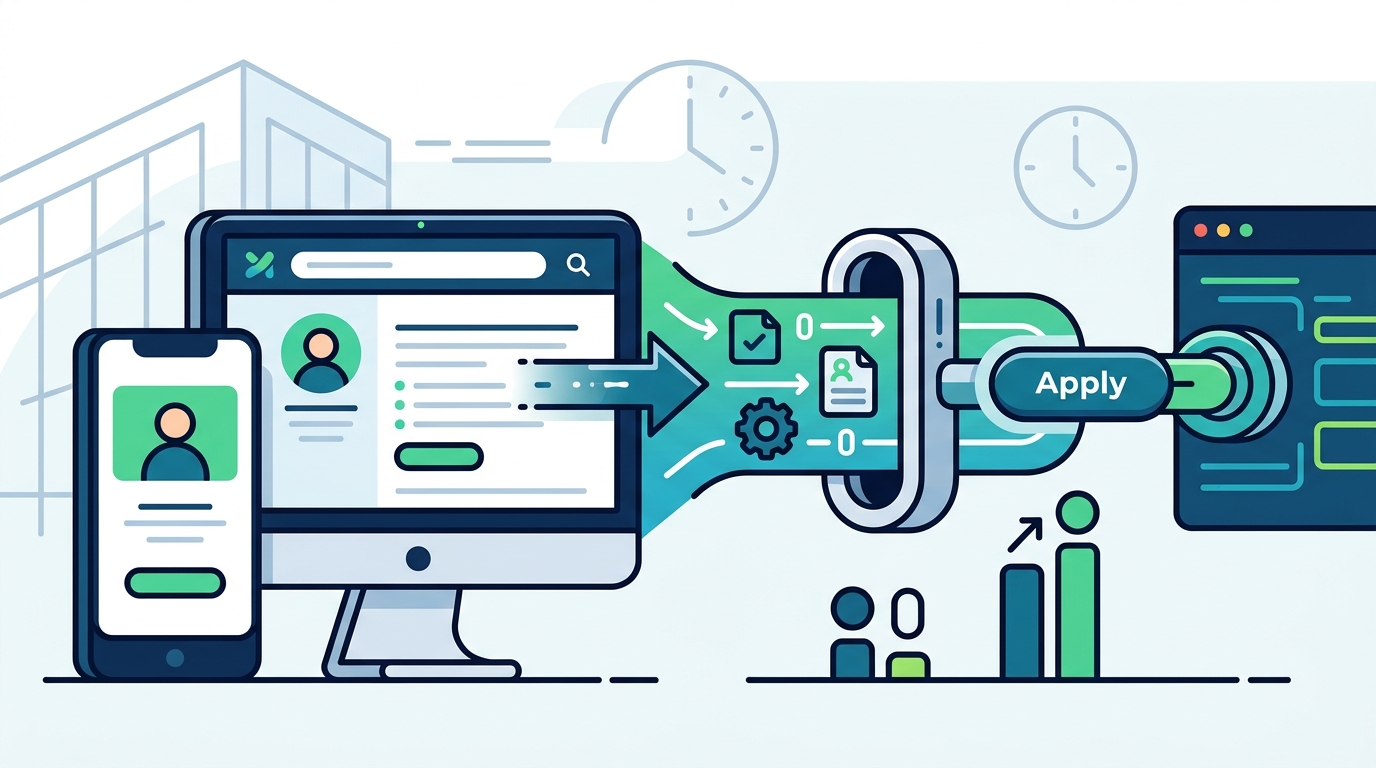
The most critical function of a career site is the application process itself. A clunky, multi-page form is the number one reason for application abandonment. Modern sites prioritize efficiency by allowing one-click applications via LinkedIn or other professional networks, and by enabling profile parsing where candidates upload a resume once and the system auto-fills the form.
Integration with Applicant Tracking Systems (ATS) ensures that data flows seamlessly from the site to the hiring team. This reduces manual entry errors and speeds up the initial screening process. Furthermore, providing immediate confirmation and clear next steps in the timeline manages candidate expectations. For more on how to streamline this workflow, learn about our assessment capabilities.
Comparing Career Site Solutions
Not all career site builders are created equal. When selecting a platform, it is essential to compare features against your specific needs. The table below outlines key differentiators between traditional job boards and modern, integrated career site solutions.
| Feature | Traditional Job Board | Modern Integrated Career Site |
|---|---|---|
| Brand Customization | Limited, template-based | Full control over design and content |
| Data Ownership | Board owns candidate data | Company owns all applicant data |
| Analytics Depth | Basic click metrics | Advanced funnel and conversion analytics |
| Integration | Manual export/import | Real-time ATS and CRM sync |
| Candidate Experience | Generic, high friction | Personalized, low friction |
Choosing the right partner is vital for long-term success. You can learn more about our approach by visiting the about us page to understand our mission.
Key Takeaways
- Mobile Optimization is Non-Negotiable: Over 60% of job searches now begin on mobile devices, requiring responsive design.
- Transparency Drives Trust: Clear salary ranges and culture insights significantly increase application completion rates.
- Personalization Increases Relevance: Tailored job recommendations keep candidates engaged longer.
- Frictionless Applications Reduce Abandonment: One-click apply and profile parsing are standard expectations.
- Data Ownership Matters: Owned career sites provide deeper analytics and full control over candidate data.
- Integration Speeds Hiring: Seamless ATS integration reduces manual work for recruiters.
- Brand Storytelling Attracts Talent: Authentic content differentiates your company in a competitive market.
Frequently Asked Questions
What is the biggest factor in candidate experience?
The biggest factor is the ease of the application process. If candidates encounter technical issues or complex forms, they will leave immediately.
How does a career site impact employer branding?
A well-designed career site acts as a digital brochure for your company culture, influencing how potential employees perceive your brand before they even apply.
Why is mobile optimization critical for job sites?
Because the majority of job seekers use smartphones to browse opportunities, a non-mobile-friendly site will alienate a large portion of your talent pool.
What is the role of analytics in career site optimization?
Analytics help identify drop-off points in the application funnel, allowing companies to fix friction points and improve conversion rates.
How do modern career sites handle data privacy?
Modern sites comply with global data regulations by providing clear privacy policies and secure data handling practices for all applicant information.
Can a career site integrate with existing HR tools?
Yes, most modern career site platforms offer robust APIs to integrate with major Applicant Tracking Systems and HR software.
What is the average time to see results from a career site overhaul?
Companies typically see improved application quality and volume within 3 to 6 months of implementing a new, optimized career site strategy.
How does personalization work on a career site?
Personalization uses browsing data and location to recommend relevant jobs and content, making the experience feel tailored to the individual.
Start Optimizing Your Talent Pipeline
Your career site is the foundation of your talent acquisition strategy. By prioritizing user experience, transparency, and integration, you can attract and retain the best candidates in your industry. Do not let a poor digital experience cost you top talent. Take the first step toward a better candidate experience today. Contact us to schedule a demo and see how Match2 can transform your recruitment process.