
How Modern Career Sites Improve the Candidate Experience
The digital handshake between a job seeker and an employer happens long before the first interview. In 2024, the average job seeker spends less than 30 seconds on a career page before deciding whether to apply or leave. According to recent industry data, 75% of candidates will abandon an application if the process is not mobile-friendly. This statistic highlights a critical reality: your career site is not just a job board. It is your primary brand ambassador. A poorly designed portal signals disorganization. A modern, intuitive site signals respect for the candidate's time and talent. (Match2 Connected Candidate Recruiting)
The Mobile-First Imperative
Most job seekers browse opportunities on their smartphones during commutes, breaks, or evenings. If your career site is not optimized for small screens, you are actively losing top talent. Mobile-first design is not a luxury. It is a baseline requirement for any modern recruitment strategy. (Match2 Connected Candidate Recruiting)
A mobile-optimized site ensures that buttons are thumb-friendly, text is legible without zooming, and forms are easy to complete. Mobile usability directly correlates with application completion rates. When candidates can easily upload a resume or fill out a profile on their phone, friction disappears. This seamless experience reduces drop-off rates significantly. Companies that ignore mobile optimization often see application rates plummet by over 50%. Match2 focuses on connected candidate solutions that prioritize this accessibility across all devices. (Match2 Connected Candidate Recruiting)
Furthermore, speed matters. A site that takes more than three seconds to load on mobile data will lose visitors. Modern career portals leverage lightweight code and optimized images to ensure instant loading. This technical performance signals professionalism. It tells candidates that the company values efficiency and modern technology.
Transparency Builds Trust
Candidates are more informed than ever. They research salaries, benefits, and company culture before applying. A modern career site addresses this need by providing clear, accessible information. Transparency is the cornerstone of candidate trust.
Salary ranges should be displayed prominently. According to a 2023 survey by Glassdoor, 87% of job seekers want to see salary information upfront. Hiding this data creates suspicion. It suggests the company is hiding something or has low compensation bands. By displaying ranges, you attract qualified candidates who are a good fit and repel those who are not. This saves time for both parties.
Beyond salary, details about benefits, remote work policies, and growth opportunities must be clear. A dedicated benefits page or a summary in the job description helps candidates visualize their future with the company. This level of detail reduces the number of unqualified applicants. It also increases the quality of the remaining pool. Candidates who apply with full knowledge are more likely to accept offers.
Streamlining the Application Flow
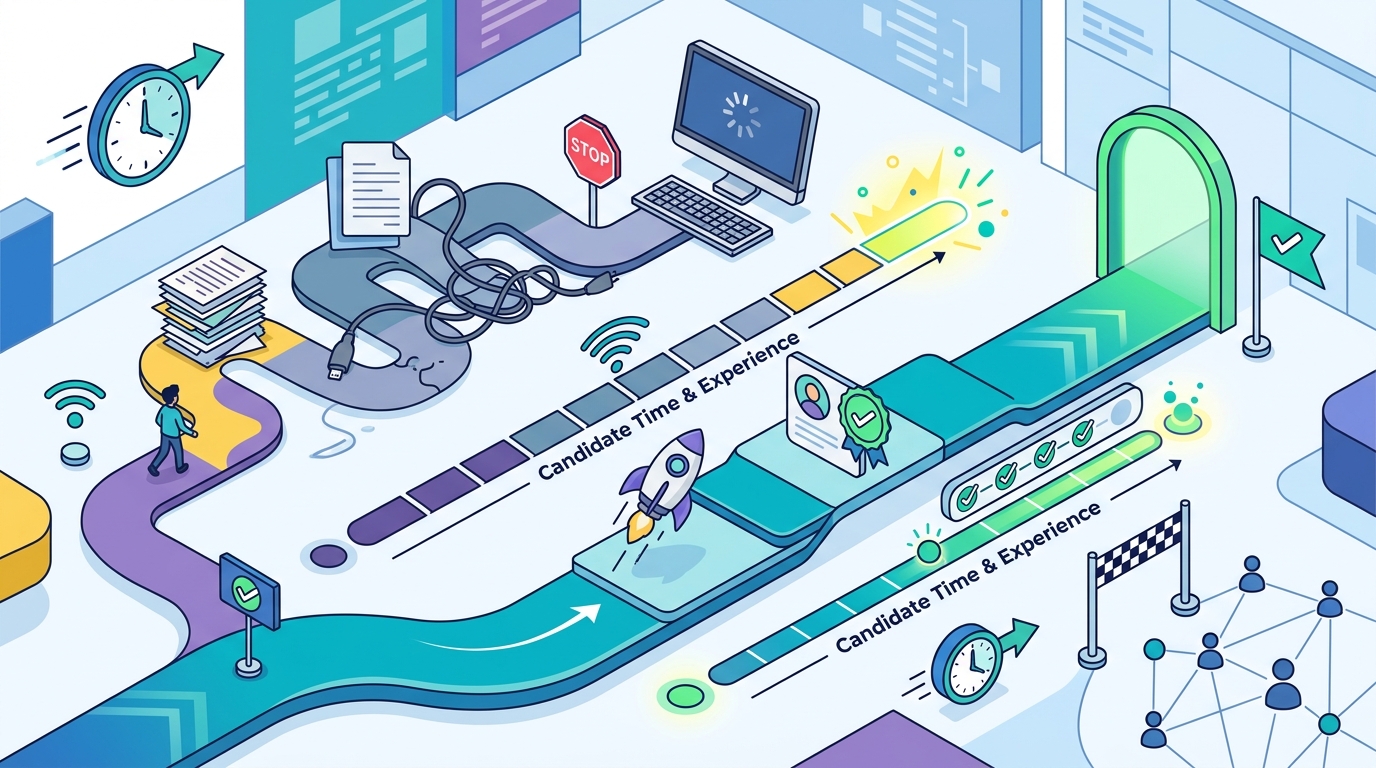
The traditional application process is broken. It often requires candidates to fill out lengthy forms, re-enter data from their resume, and wait weeks for feedback. A modern career site fixes this by simplifying the process. Application friction is the primary cause of candidate drop-off.
One-click apply options allow candidates to submit their profile with a single click. This leverages data already stored in their browser or professional network. It reduces the effort required to apply. Additionally, progress indicators help candidates understand how long the process will take. Knowing that a process has five steps and taking two minutes each makes the task feel manageable.
Match2’s connected candidate solutions emphasize reducing this friction. By integrating with existing Applicant Tracking Systems (ATS), data flows seamlessly. Candidates do not need to upload multiple documents. They can update their profile once and apply to multiple roles. This convenience improves the overall perception of the employer brand. It also accelerates the time-to-hire for the company.
Personalization at Scale
Generic job boards send the same content to everyone. Modern career sites use data to personalize the experience. When a candidate visits the site, the platform can suggest roles based on their profile, past behavior, or skills. This relevance makes the candidate feel understood and valued.
Personalization extends to the content as well. Candidates from different regions or with different backgrounds may respond to different messaging. A modern site can adapt its tone and imagery to resonate with diverse audiences. This inclusivity broadens the talent pool. It also improves engagement rates. Candidates are more likely to apply when they see roles that match their specific interests and qualifications.
Furthermore, personalized email follow-ups keep candidates engaged after they apply. Automated but tailored messages inform them of the next steps. This reduces anxiety and keeps the candidate warm. It also demonstrates that the company is organized and attentive. A lack of communication is a common complaint among job seekers. Proactive updates solve this problem.
Showcasing Culture and Values
Candidates do not just apply for jobs. They apply for experiences. A modern career site serves as a window into the company culture. It should showcase employee stories, team photos, and values in action. This visual storytelling helps candidates imagine themselves working there.
Employee testimonials are powerful. Real quotes from current staff provide authentic insights into the work environment. They address common concerns like work-life balance, management style, and growth opportunities. These testimonials build credibility. They show that the company is transparent about its strengths and weaknesses.
Additionally, highlighting diversity, equity, and inclusion (DEI) initiatives is crucial. Modern candidates, especially younger generations, prioritize companies with strong DEI commitments. A dedicated section on DEI values and actions signals that the company is progressive and fair. This attracts a wider range of talented individuals. It also enhances the company’s reputation in the market.
Platform Feature Comparison
Understanding the difference between legacy career sites and modern solutions is key. The table below highlights the core distinctions.
| Feature | Legacy Career Site | Modern Career Site (e.g., Match2) |
|---|---|---|
| Mobile Optimization | Responsive but clunky | Mobile-first, thumb-friendly design |
| Application Process | Lengthy forms, manual data entry | One-click apply, profile integration |
| Transparency | Salary hidden, vague benefits | Clear salary ranges, detailed benefits |
| Personalization | Generic job listings | AI-driven role suggestions |
| Culture Showcase | Static text, stock photos | Video testimonials, employee stories |
Key Takeaways
- Mobile is non-negotiable: Over 50% of job applications now originate from mobile devices.
- Transparency drives trust: 87% of candidates want salary info upfront to build credibility.
- Friction kills applications: Simplifying forms increases completion rates significantly.
- Personalization matters: Tailored job suggestions improve engagement and quality of hires.
- Culture sells: Authentic employee stories are more persuasive than corporate jargon.
- Speed is critical: Fast-loading pages reduce bounce rates and improve user satisfaction.
- Communication builds loyalty: Automated updates keep candidates engaged throughout the process.
Frequently Asked Questions
What is the most important feature of a modern career site?
The most important feature is a seamless, mobile-friendly application process. Candidates expect to apply quickly and easily from any device. If the process is difficult, they will leave.
How does transparency affect candidate behavior?
Transparency regarding salary and benefits increases trust. Candidates are more likely to apply when they know the compensation range. It also reduces the number of unqualified applicants.
Why is personalization important in recruiting?
Personalization makes candidates feel valued. It shows that the company understands their skills and interests. This leads to higher engagement and better quality applications.
Can a career site improve employer branding?
Yes. A well-designed career site showcases culture, values, and employee stories. It acts as a digital brochure for the company. This attracts talent that aligns with the brand.
What is the impact of slow loading speeds?
Slow speeds increase bounce rates. Candidates will leave if the site takes more than three seconds to load. This results in lost applications and a negative brand perception.
How do modern career sites handle data privacy?
Modern sites use secure, compliant data storage methods. They inform candidates how their data is used. This builds trust and ensures regulatory compliance.
What role does AI play in career sites?
AI helps personalize job recommendations. It can also screen resumes for initial fit. This improves efficiency for both candidates and recruiters.
Start Optimizing Your Career Site
Your career site is a critical touchpoint in the recruitment journey. It shapes how candidates perceive your company before they even meet you. By focusing on mobile optimization, transparency, and streamlined processes, you can significantly improve the candidate experience. This leads to higher quality applications and a stronger employer brand. Do not let a poor digital experience cost you top talent. Explore how Match2 can help you build a connected candidate ecosystem. Visit our features page to learn more. Or contact us to schedule a demo today.