
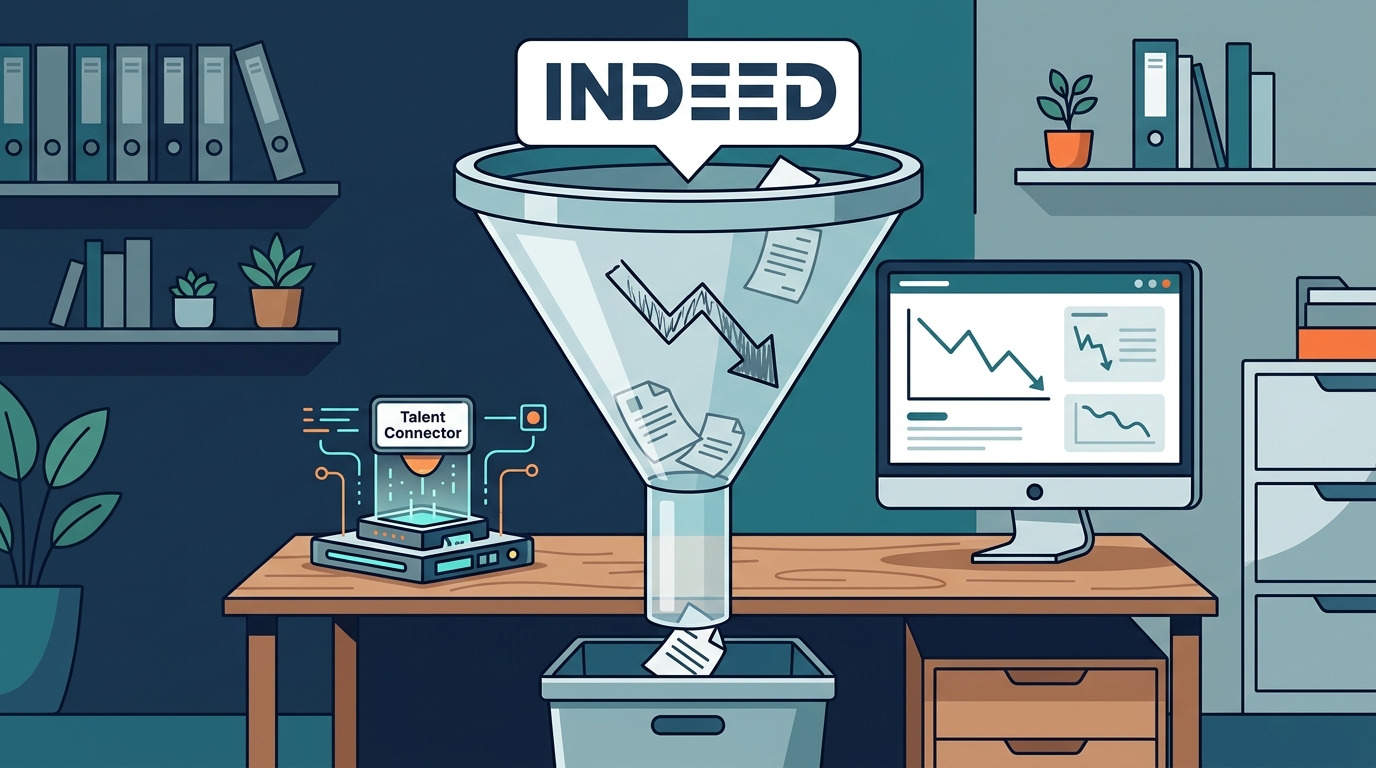
Recruitment dynamics have shifted dramatically in the last twelve months. According to recent industry data, many employers have reported a significant decline in inbound candidate volume on major job boards. This drop is not merely a seasonal fluctuation but a structural change in how talent discovers and engages with opportunities. Understanding the mechanics behind this decline is critical for maintaining a healthy pipeline. We must look at algorithmic updates, market saturation, and the rise of alternative sourcing channels to find the answer.
Algorithmic Shifts and Visibility
Indeed, like all major search engines, continuously refines its ranking algorithms to prioritize relevance and user experience. In 2026, the platform has placed a heavier emphasis on candidate engagement signals rather than just keyword matching. If your job postings are not generating immediate clicks or applications, the algorithm may deprioritize them in search results. This means that static job descriptions are no longer sufficient for maintaining visibility.
Furthermore, the introduction of AI-driven candidate matching has changed how jobs are surfaced. Indeed now attempts to predict which candidates are most likely to apply based on historical behavior. If your job requirements are too broad or too specific, you may fall outside the predicted match window for a large segment of the talent pool. This is a common reason why applications drop suddenly without any change in posting frequency.
To combat this, you must ensure your job titles and descriptions align with current search intent. Using industry-standard terminology helps the algorithm categorize your role correctly. Additionally, updating your postings regularly signals to the system that the role is active and urgent, which can boost its ranking in candidate feeds.
Market Saturation and Candidate Fatigue
The digital recruitment landscape has become increasingly crowded. With more companies moving their hiring processes online, the noise level on platforms like Indeed has reached an all-time high. Candidates are bombarded with hundreds of similar job postings daily. This saturation leads to decision fatigue, where candidates simply stop applying to roles that do not immediately stand out.
Candidate fatigue is a real phenomenon where job seekers become overwhelmed by the volume of opportunities. They may start using stricter filters or ignore postings that do not meet their immediate criteria. This behavior reduces the overall application rate for employers who do not optimize their listings for quick scanning. The average candidate spends only a few seconds deciding whether to click on a job post. If your value proposition is not clear within that window, you lose the candidate.
Another factor is the economic climate. In 2026, many industries have stabilized after years of volatility. Candidates are becoming more selective, preferring roles that offer clear growth paths and flexibility. If your job description does not highlight these benefits, you will see a drop in applications compared to competitors who do. It is essential to communicate the unique aspects of your company culture and benefits package.
The Rise of Alternative Sourcing Channels
While Indeed remains a dominant player, it is no longer the sole destination for talent discovery. The rise of niche job boards, professional networking sites, and AI-driven recruiting platforms has fragmented the candidate pool. Many job seekers now distribute their applications across multiple platforms to maximize their chances. This diversification means that traffic to any single platform may decrease even if the total number of applications remains stable.
For example, specialized platforms for tech, healthcare, or creative roles often attract higher-quality candidates who are actively seeking those specific opportunities. These platforms offer better filtering and matching capabilities than generalist boards. As a result, employers who rely exclusively on Indeed may find their application volume dropping as they fail to capture this segmented talent.
Additionally, the growth of direct sourcing tools has empowered recruiters to find candidates without relying on inbound applications. Platforms that offer connected candidate recruiting solutions allow employers to build their own talent pools. This shift reduces the dependency on job board traffic and changes the metrics by which success is measured. It is crucial to evaluate whether your current strategy aligns with these emerging trends.
Optimization Strategies for 2026
To reverse the decline in applications, you must adopt a multi-faceted approach. First, audit your job postings for clarity and appeal. Ensure that your titles are accurate and your descriptions highlight key benefits. Use clear calls to action and simplify the application process to reduce friction.
Second, diversify your sourcing channels. Do not rely on a single platform for all your hiring needs. Explore niche job boards and professional networks that cater to your specific industry. This will help you reach candidates who are actively looking for roles in your field.
Third, leverage data to inform your decisions. Use analytics to track which job postings are performing well and which are not. Adjust your strategy based on these insights. For instance, if certain keywords are driving more applications, incorporate them into your other postings. If certain job boards are yielding better results, increase your investment there.
Finally, consider implementing a connected candidate recruiting solution. These tools allow you to manage your talent pipeline more effectively and engage with candidates proactively. By building a robust talent community, you can reduce your reliance on inbound applications and create a more sustainable hiring process.
Key Takeaways
- Indeed's algorithm now prioritizes engagement signals over simple keyword matching.
- Candidate fatigue has increased due to market saturation on major job boards.
- Alternative sourcing channels are fragmenting the talent pool and reducing single-platform traffic.
- Optimizing job titles and descriptions for clarity is critical for visibility.
- Diversifying your sourcing strategy is essential for maintaining application volume.
- Data-driven adjustments to job postings can significantly improve performance.
- Connected candidate recruiting solutions offer a proactive approach to talent acquisition.
Frequently Asked Questions
Why is my job posting not showing up in Indeed search results?
Your job posting may not be showing up due to algorithmic changes that prioritize engagement. Ensure your title and description are optimized with relevant keywords and that you are actively promoting the role.
How has candidate behavior changed in 2026?
Candidates are more selective and use multiple platforms to apply for jobs. They are also more likely to ignore postings that do not clearly state benefits and growth opportunities.
Is Indeed still the best platform for hiring?
Indeed remains a powerful tool, but it is no longer the only option. Diversifying your sourcing to include niche boards and direct recruiting can yield better results.
What is a connected candidate recruiting solution?
A connected candidate recruiting solution is a platform that allows employers to build and manage their own talent pools, enabling proactive engagement with potential candidates.
How can I increase my application rate on Indeed?
You can increase your application rate by optimizing your job postings, promoting them through Indeed Ads, and ensuring your application process is simple and mobile-friendly.
Are there other platforms I should consider?
Yes, consider niche job boards, professional networking sites, and AI-driven recruiting platforms that cater to your specific industry.
What role does data play in hiring success?
Data helps you identify which strategies are working and which are not. By tracking metrics like click-through rates and application volumes, you can make informed decisions to improve your hiring outcomes.
Ready to Transform Your Hiring Strategy?
If you are struggling with declining applications or want to optimize your current process, it is time to take action. Explore our features to see how we can help you build a more effective recruiting workflow. Visit our assessment tools to better understand your candidates. Learn more about our approach by reading our blog posts. For more information, check out our service types. If you have specific questions, review our FAQ section. Contact our team directly at https://match2.com/contactus to schedule a consultation. Learn more about our mission on our about page.