

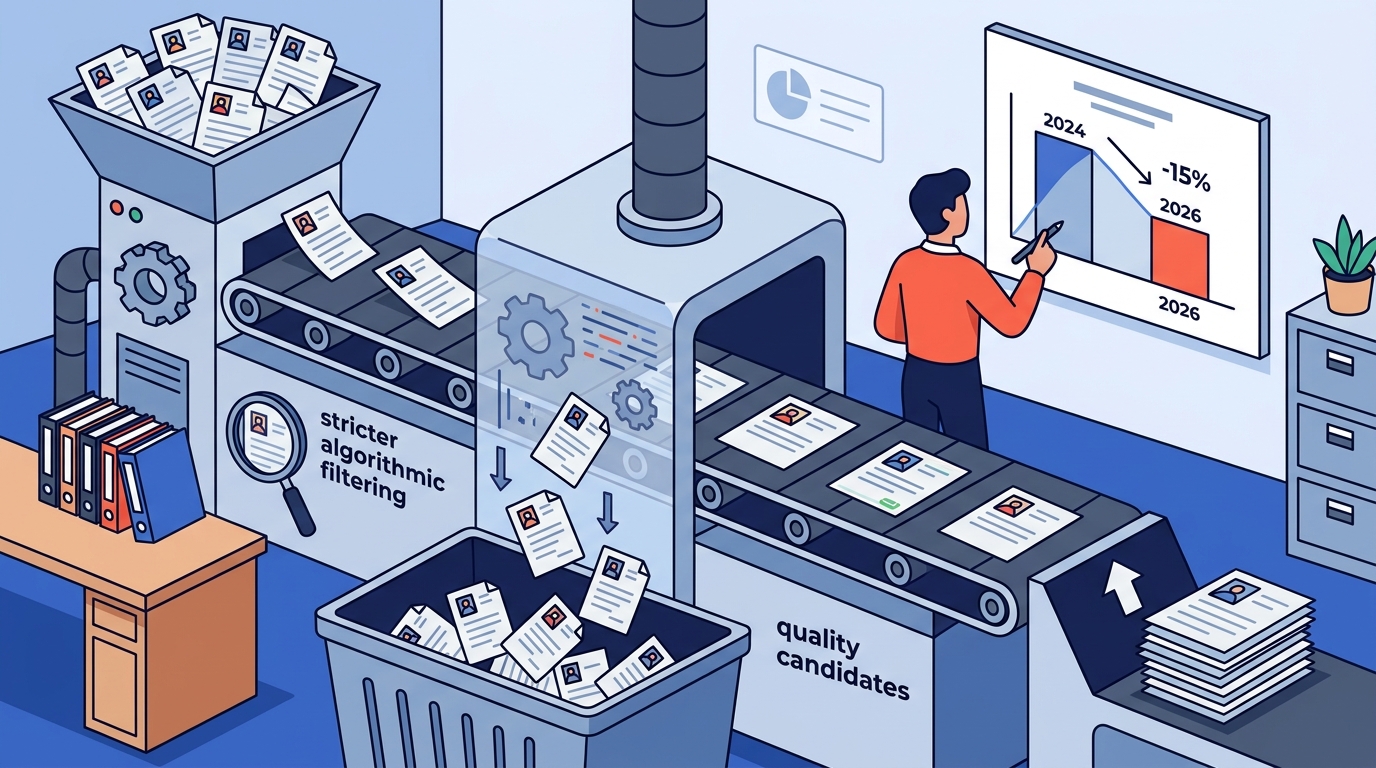
Recruitment dynamics have shifted dramatically in the last two years. According to recent workforce analytics, the average number of applications per job posting on major platforms has decreased by approximately 15% compared to 2024 levels. This decline is not a sign of reduced job seeker activity but rather a reflection of stricter algorithmic filtering and a more selective candidate pool. Understanding these changes is critical for maintaining your talent pipeline.
Algorithmic Filtering Updates
Indeed has significantly refined its search algorithm to prioritize relevance over volume. In previous years, the platform favored job postings with high application counts. Now, the algorithm weighs candidate-job fit more heavily. This means that even if you post a job, it may not reach the right candidates if the keywords and requirements are not precisely aligned with their profiles.
One major change is the increased emphasis on verified skills and certifications. Candidates who have completed verified assessments are ranked higher in search results. This shift encourages job seekers to invest in their professional development and employers to highlight specific skill requirements. For more details on how assessment tools impact hiring, you can read Match2's assessment insights.
Another factor is the reduction in spam applications. Indeed has implemented stricter verification processes to ensure that applicants are genuine. This has led to a cleaner applicant pool but also a lower overall application count. Employers need to adapt by focusing on quality over quantity.
Shifts in Candidate Behavior
Candidates in 2026 are more selective than ever before. They spend more time researching companies before applying. This behavior is driven by increased access to company reviews, salary data, and employee testimonials on various platforms. Job seekers are no longer willing to apply to every opening they see. They are looking for roles that align with their values and career goals.
Additionally, the rise of remote and hybrid work options has changed where candidates look for jobs. Many candidates now use niche platforms that specialize in remote work or specific industries. This fragmentation means that relying solely on Indeed may not be sufficient for reaching all potential candidates. For a deeper dive into recruiting strategies, visit Match2's recruiting types.
Furthermore, candidates are more aware of their market value. They are less likely to apply for roles that do not clearly state salary ranges or benefits. Transparency in job postings has become a key factor in attracting top talent. Employers who fail to provide this information may see a significant drop in applications.
Platform Competition and Fragmentation
The recruitment landscape is more competitive than ever. New platforms and tools have emerged that offer specialized features for both employers and job seekers. LinkedIn, Glassdoor, and industry-specific job boards are capturing a larger share of the market. This competition has fragmented the candidate pool, making it harder for any single platform to dominate.
Indeed faces increased pressure to innovate and retain its user base. In response, the platform has introduced new features to enhance the user experience. These include AI-driven job recommendations and enhanced candidate profiles. However, these changes have also made it more challenging for employers to stand out. To understand how to leverage these features, check out Match2's platform features.
Moreover, the growth of social recruiting has impacted Indeed's dominance. Many candidates now discover job opportunities through social media networks and professional communities. This trend requires employers to adopt a multi-channel recruiting strategy. Relying on a single platform is no longer a viable approach for comprehensive talent acquisition.
Optimization Strategies for 2026
To counteract the drop in applications, employers must optimize their job postings and recruiting processes. Start by refining your job descriptions. Use clear, concise language and highlight the key responsibilities and requirements. Include relevant keywords that candidates are likely to search for. This will improve the visibility of your postings in search results.
Another effective strategy is to leverage data-driven recruiting. Use analytics to track the performance of your job postings and identify areas for improvement. Monitor metrics such as application rates, click-through rates, and time-to-hire. This data can help you make informed decisions about your recruiting strategy. For more information on data-driven recruiting, see Match2's blog.
Additionally, consider using advanced recruiting tools to streamline your process. Platforms like Match2 offer connected candidate solutions that help you manage and evaluate applicants more effectively. These tools can help you identify the best candidates faster and reduce the time spent on administrative tasks. Learn more about Match2's mission and vision to see how they can support your goals.
Key Takeaways
- Indeed's algorithm now prioritizes candidate-job fit over application volume.
- Candidates are more selective and research companies thoroughly before applying.
- Platform competition has fragmented the candidate pool across multiple channels.
- Transparency in salary and benefits is crucial for attracting top talent.
- Data-driven recruiting helps optimize job postings and improve outcomes.
- Advanced recruiting tools can streamline the hiring process and enhance candidate evaluation.
Frequently Asked Questions
Why are my job applications declining on Indeed?
The decline is due to algorithmic changes that prioritize relevance and a more selective candidate pool. Candidates are also using multiple platforms, reducing the concentration of applications on Indeed.
How can I improve my job posting visibility?
Optimize your job descriptions with relevant keywords, clear requirements, and transparent salary information. Use data analytics to track performance and adjust your strategy accordingly.
Is Indeed still the best platform for recruiting?
While Indeed remains a major player, it is no longer the only option. A multi-channel approach that includes LinkedIn, niche job boards, and social recruiting is more effective in 2026.
What role do assessments play in hiring?
Assessments help verify candidate skills and improve the quality of the applicant pool. Candidates with verified skills are ranked higher in search results, making assessments a valuable tool for employers.
How can Match2 help with recruiting?
Match2 offers connected candidate solutions that streamline the hiring process. Their platform helps you manage applicants, conduct assessments, and make data-driven decisions. Visit Match2's contact page to learn more.
What are the key trends in recruiting for 2026?
Key trends include the rise of AI in recruiting, increased focus on diversity and inclusion, and the growing importance of candidate experience. Employers must adapt to these trends to remain competitive.
How do I measure the success of my recruiting efforts?
Track metrics such as application rates, time-to-hire, cost-per-hire, and candidate satisfaction. Use this data to identify areas for improvement and refine your strategy.
Next Steps
Don't let a drop in applications hinder your hiring goals. Take control of your recruiting strategy with Match2's advanced solutions. Our platform is designed to help you connect with the right candidates efficiently. Contact Match2 today to schedule a demo and see how we can transform your hiring process.