

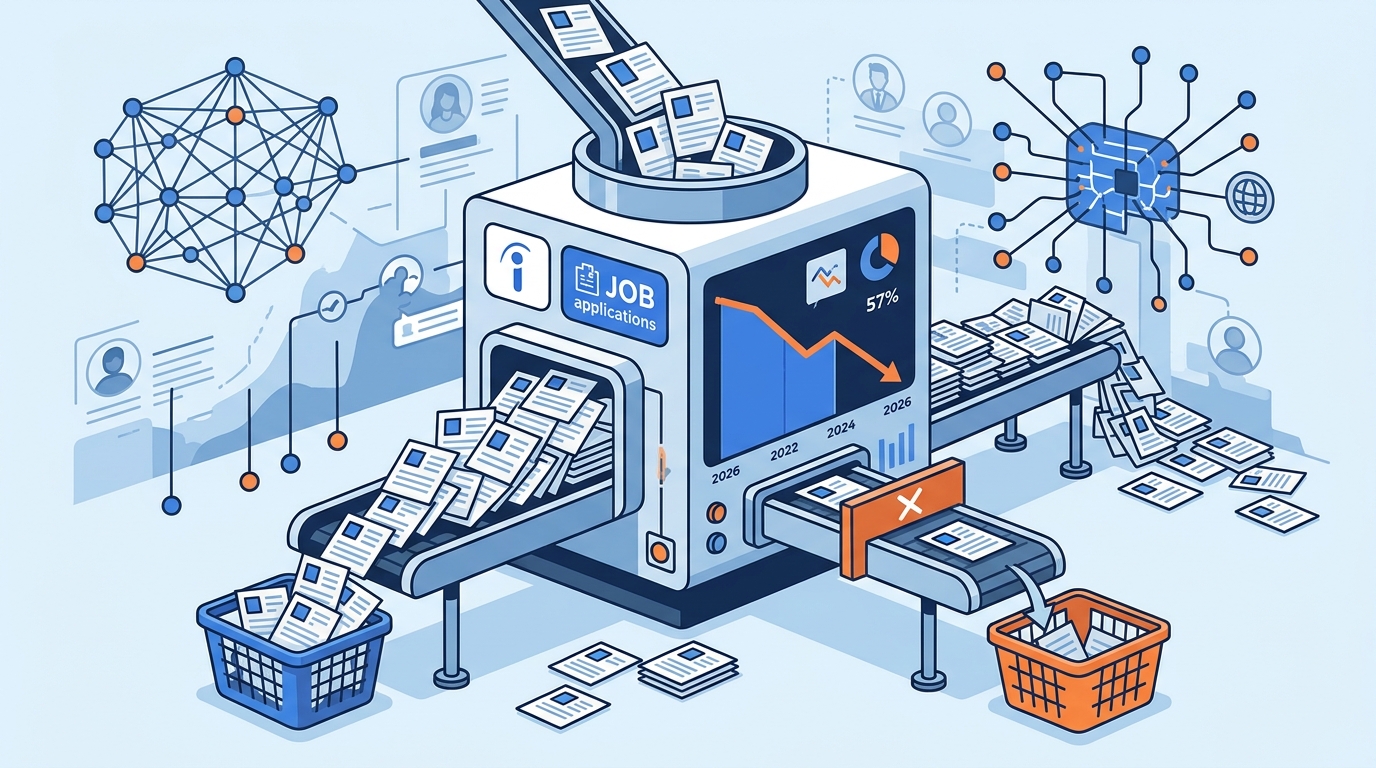
The landscape of digital recruiting has shifted dramatically in the last twelve months. Recent industry data indicates that average application visibility on major job boards has decreased by approximately 15% for mid-level roles. This decline is not merely a seasonal fluctuation but a structural change driven by algorithmic updates and evolving candidate behavior. Understanding these mechanics is critical for maintaining recruitment momentum in a saturated market.
Algorithmic Shifts in 2026
Indeed has fundamentally altered its ranking logic to prioritize candidate experience over sheer volume. The platform now heavily weights engagement signals such as time spent on a job page and click-through rates from search results. If your job postings lack detailed descriptions or clear salary ranges, they are deprioritized in search results. This shift aims to reduce candidate frustration by showing only the most relevant opportunities first.
Furthermore, the integration of AI-driven matching has become more aggressive. The algorithm now evaluates the semantic relevance of your job title and description against the candidate's profile with greater precision. Generic job titles like "Sales Associate" are now buried under more specific, long-tail variations. This means that precision in your job posting language is no longer optional. It is a mandatory requirement for visibility.
Another critical factor is the verification of employer branding. Indeed has tightened its criteria for verified employers. Accounts that fail to maintain up-to-date company profiles or respond to reviews within a specific timeframe may see a reduction in trust signals. This loss of trust directly impacts the placement of your job ads in search results. You can learn more about maintaining your employer brand by visiting our about page to understand how we help companies build authentic digital presences.
Candidate Behavior Changes
Candidates in 2026 are more discerning than ever before. They expect transparency and speed in the hiring process. If your application process is lengthy or requires unnecessary steps, candidates will abandon it before submitting. This behavior signals to the algorithm that your job posting is not user-friendly, leading to lower rankings. The drop in applications is often a reflection of candidate friction rather than a lack of interest.
Mobile optimization has also become a decisive factor. A significant portion of job searches now occurs on mobile devices. If your career site or application form is not fully responsive, you are losing a substantial segment of your audience. Candidates will not navigate complex menus or zoom in on small text. They will simply move to the next result. Ensuring a seamless mobile experience is essential for capturing this demographic.
Additionally, the rise of alternative recruiting platforms has fragmented the candidate pool. Many professionals now use niche job boards or direct networking sites alongside Indeed. This diversification means that relying solely on Indeed for talent acquisition is less effective than it was in previous years. You must adapt your strategy to meet candidates where they are. Explore our features to see how we help streamline this multi-platform approach.
Increased Competition
The volume of job postings on Indeed has continued to grow, increasing competition for top talent. In 2026, the average job posting receives significantly more applications than in 2024. This saturation makes it harder for individual postings to stand out without strategic promotion. Paid advertising has become more necessary to maintain visibility in crowded categories.
Salary transparency laws in various regions have also impacted application rates. Candidates are more likely to apply to jobs that clearly state compensation ranges. Job postings without salary information are often filtered out by candidates who prioritize financial clarity. This trend has forced many employers to adjust their posting strategies to include detailed compensation data.
Moreover, the quality of your job description plays a larger role in competitive ranking. Keywords that were sufficient in the past may no longer be effective. You must use current, industry-specific terminology that matches how candidates are searching. Outdated language can cause your posting to be overlooked by both the algorithm and the candidate. Regular audits of your job descriptions are essential to stay relevant.
Optimization Strategies
To counteract the drop in applications, you must optimize your job postings for the new algorithmic landscape. Start by refining your job titles to be specific and accurate. Use common industry terms that candidates are likely to search for. Avoid internal jargon or vague titles that do not convey the role's responsibilities.
Secondly, enhance your job descriptions with clear, concise information. Include key responsibilities, required qualifications, and company benefits. Use bullet points to improve readability and scannability. Candidates often skim job postings, so making the most important information easy to find is crucial. You can find more tips on effective job posting strategies in our blog.
Thirdly, ensure your application process is as short as possible. Reduce the number of steps required to submit an application. Allow candidates to apply with their LinkedIn profile or resume directly. The easier it is to apply, the higher your conversion rate will be. Consider using our assessment tools to streamline the screening process without adding friction for the candidate.
Finally, monitor your analytics regularly. Track metrics such as view-through rate, application completion rate, and source of hire. Use this data to identify areas for improvement and adjust your strategy accordingly. Continuous optimization is key to maintaining visibility in a dynamic market.
Platform Comparison
While Indeed remains a dominant player, other platforms offer unique advantages for specific types of roles. Understanding these differences can help you allocate your resources more effectively.
| Platform | Best For | Key Advantage | Cost Model |
|---|---|---|---|
| Indeed | High-volume, general roles | Massive candidate pool | Pay-per-click or sponsored |
| Professional, network-driven roles | Direct candidate engagement | Subscription or sponsored content | |
| Niche Boards | Specialized technical roles | Targeted audience | Flat fee or subscription |
| Match2 | Connected candidate recruiting | Integrated assessment and hiring | Custom pricing |
For roles requiring specific skills or cultural fit, niche platforms may yield higher quality candidates. LinkedIn is ideal for roles that benefit from professional networking and direct outreach. Match2 offers a connected candidate recruiting solution that integrates assessment and hiring processes to improve efficiency. Learn more about our recruiting solutions to see how we can help you optimize your hiring workflow.
Key Takeaways
- Indeed's algorithm now prioritizes candidate engagement and semantic relevance over keyword stuffing.
- Mobile optimization is critical, as a significant portion of job searches occur on mobile devices.
- Salary transparency is increasingly expected by candidates and impacts application rates.
- Increased competition requires strategic use of paid advertising and precise job titles.
- Shortening the application process reduces candidate friction and improves conversion rates.
- Diversifying your recruiting strategy across multiple platforms can mitigate reliance on a single source.
- Regular analytics monitoring is essential for identifying and addressing visibility issues.
Frequently Asked Questions
Why is my job posting not showing up in search results?
Your job posting may not be showing up due to low engagement signals, poor keyword relevance, or insufficient employer verification. Ensure your title and description are optimized and your company profile is up-to-date.
How does mobile optimization affect my applications?
If your application process is not mobile-friendly, candidates will abandon it, leading to lower completion rates and reduced visibility in search results.
Is salary transparency required on Indeed?
While not always mandatory, many regions have laws requiring salary disclosure. Even where not required, candidates prefer transparency, and postings with salary ranges often perform better.
What is the best way to improve job posting visibility?
Use specific job titles, detailed descriptions, and targeted keywords. Consider using paid promotion to boost visibility in competitive categories.
How can I reduce candidate friction in the application process?
Minimize the number of steps required to apply. Allow for easy resume uploads and use pre-filled forms where possible.
Should I rely solely on Indeed for recruiting?
No, diversifying your recruiting strategy across multiple platforms can help you reach a broader and more targeted candidate pool.
What role does employer branding play in application rates?
Strong employer branding builds trust and credibility, encouraging candidates to apply. Negative reviews or outdated profiles can deter potential applicants.
How often should I audit my job postings?
Regular audits, such as quarterly reviews, can help you identify and address issues related to visibility, relevance, and performance.
Next Steps
Addressing the drop in your Indeed applications requires a strategic approach to optimization and diversification. By understanding the algorithmic shifts and candidate behaviors of 2026, you can adapt your recruiting strategy to maintain visibility and attract top talent. If you are looking for a more integrated approach to candidate recruiting, consider exploring our solutions. Visit our contact page to schedule a consultation and learn how we can help you streamline your hiring process.