

Recruitment dynamics have shifted dramatically in the last twelve months. Recent industry data shows that many employers are seeing a significant decline in inbound candidate volume despite maintaining active job postings. This drop is not necessarily a sign of poor job descriptions but rather a reflection of broader economic adjustments and platform algorithm updates. Understanding these changes is critical for maintaining talent pipelines in a competitive market.
Understanding Algorithm Updates
Indeed, like all major search engines, continuously refines its ranking algorithms to prioritize user experience. In 2026, the platform has placed a heavier emphasis on relevance and engagement metrics. This means that job postings that do not meet specific quality thresholds are deprioritized in search results. The algorithm now weighs factors such as application completion rates, time spent on the job page, and candidate feedback more heavily than before.
Employers who rely on outdated posting strategies may find their listings buried under more optimized competitors. The shift is designed to reduce noise and present candidates with the most relevant opportunities first. For a deeper understanding of how search algorithms impact visibility, you can review Indeed's employer best practices. These guidelines often highlight the importance of clear job titles and detailed descriptions.
Additionally, the platform has introduced stricter verification processes for job postings. This ensures that the jobs listed are legitimate and active. While this improves trust for candidates, it also means that postings with incomplete information or vague requirements are less likely to appear in top search results. Employers must ensure their postings are fully optimized to meet these new standards.
Shifts in Candidate Behavior
Candidate behavior has evolved significantly in 2026. Job seekers are becoming more selective and are using multiple platforms to find opportunities. The reliance on a single job board has decreased as candidates diversify their search strategies. This fragmentation means that traffic on any single platform, including Indeed, may appear to drop even if the overall job search activity remains high.
Furthermore, candidates are increasingly using AI-powered tools to filter and apply to jobs. These tools can automate the application process, leading to a higher volume of applications but a lower rate of genuine engagement. This shift has forced platforms to adjust their metrics to account for automated activity. According to recent SHRM reports on AI in recruiting, the integration of artificial intelligence is reshaping how candidates interact with job boards.
Another key factor is the rise of remote and hybrid work options. Candidates are no longer limited by geography, which increases competition for roles that offer flexibility. This global talent pool means that local employers may see fewer applications from candidates who are willing to relocate. Understanding these behavioral shifts is essential for adapting recruitment strategies. For more insights on talent trends, consider reading Gartner's analysis of talent trends.
Market Saturation and Noise
The job market in 2026 is characterized by high saturation in certain industries. Employers in sectors such as technology, healthcare, and finance are competing for a limited pool of qualified candidates. This competition leads to a phenomenon known as "job posting fatigue," where candidates become overwhelmed by the sheer volume of opportunities.
When candidates are overwhelmed, they tend to apply to fewer jobs but with greater care. This selective approach can result in a perceived drop in applications for individual employers. To combat this, employers must differentiate their job postings by highlighting unique value propositions. This includes offering competitive compensation, clear career paths, and strong company culture.
Moreover, the noise created by automated application bots can obscure genuine candidate interest. Platforms are increasingly implementing measures to filter out low-quality applications, which can further reduce the visible application count. Employers need to focus on quality over quantity to attract the right talent. For strategies on reducing application noise, see ZDNet's guide on reducing application spam.
The Role of AI in Screening
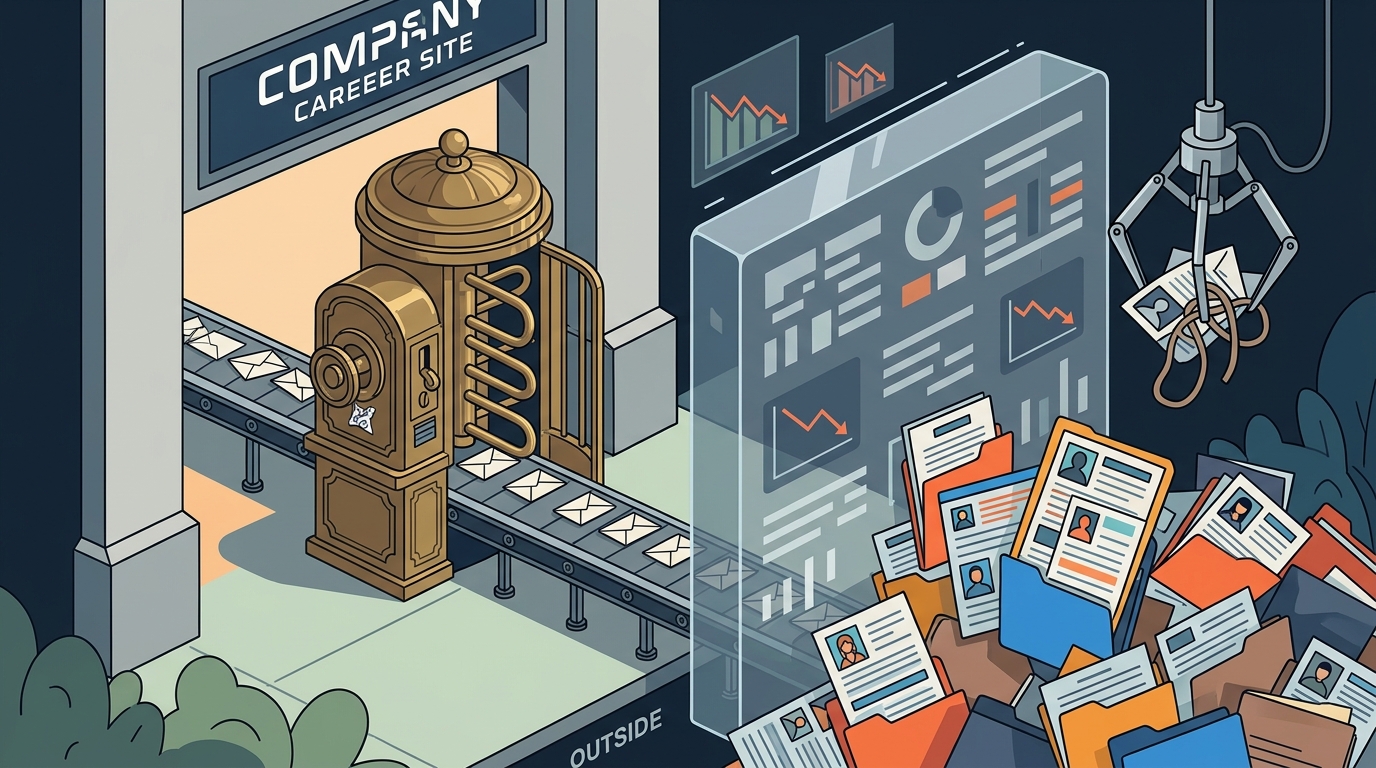
Artificial Intelligence has become a central component of the recruitment process. Many employers are using AI-driven Applicant Tracking Systems (ATS) to screen candidates before they even reach human recruiters. This pre-screening process can significantly reduce the number of applications that are reviewed, giving the impression that fewer candidates are applying.
Indeed has also integrated AI tools to help candidates find jobs that match their skills and preferences. This personalization means that candidates may see fewer job postings in their initial search results, as the platform curates a more tailored list. This curation can lead to a drop in visible applications if the employer's job posting does not align with the candidate's profile.
Employers must adapt to this AI-driven landscape by optimizing their job postings for both human readers and machine algorithms. This includes using relevant keywords, clear formatting, and structured data. For a comprehensive overview of AI in hiring, refer to Harvard Business Review's coverage of AI in recruiting.
Strategic Solutions for Employers
To address the drop in applications, employers must adopt a multi-faceted approach. First, optimize job postings for search engines and platform algorithms. This includes using clear job titles, detailed descriptions, and relevant keywords. Second, leverage multiple recruitment channels to diversify talent sourcing. Relying solely on Indeed can limit your reach.
Third, engage with candidates proactively. Use social media and professional networks to promote job openings and build a talent community. Fourth, consider using advanced recruiting tools to streamline the application process and reduce friction. Match2 offers connected candidate recruiting solutions that can help you manage this complexity effectively. Learn more about our assessment tools to improve candidate quality.
Finally, analyze your recruitment data regularly to identify trends and adjust your strategy. Use insights to refine your job postings and improve your employer brand. For more information on our services, visit our features page or check out our blog for industry insights.
Key Takeaways
- Indeed's algorithm updates in 2026 prioritize relevance and engagement, impacting visibility.
- Candidates are using AI tools to filter jobs, leading to more selective application behavior.
- Market saturation and job posting fatigue are reducing the volume of applications per employer.
- AI-driven pre-screening by employers can obscure the true number of interested candidates.
- Diversifying recruitment channels is essential to mitigate platform-specific traffic drops.
- Optimizing job postings for both humans and algorithms is critical for success.
- Proactive candidate engagement and employer branding can help attract top talent.
Frequently Asked Questions
Why are my job applications dropping on Indeed?
Applications may drop due to algorithm updates that prioritize relevance, increased candidate selectivity, and market saturation. Optimizing job postings and diversifying channels can help.
How has AI affected job applications in 2026?
AI has enabled candidates to use automated tools for filtering jobs, leading to more selective applications. It has also allowed employers to pre-screen candidates, reducing the visible application count.
What can I do to increase my job applications?
Optimize your job postings for search engines, use clear and engaging descriptions, promote your jobs on multiple platforms, and engage with candidates proactively.
Is Indeed still a good platform for recruiting?
Yes, Indeed remains a leading job board, but its effectiveness depends on how well your job postings are optimized and how you engage with candidates.
How do I know if my job posting is optimized?
Use clear job titles, include relevant keywords, provide detailed descriptions, and ensure your posting meets platform-specific quality standards.
What are the best practices for reducing application noise?
Implement clear application requirements, use AI screening tools, and focus on attracting qualified candidates through targeted marketing.
How can I track the effectiveness of my recruitment efforts?
Use analytics tools to monitor application rates, engagement metrics, and conversion rates. Adjust your strategy based on these insights.
Where can I find more resources on recruitment trends?
Visit our blog for the latest insights and industry updates. You can also explore our FAQ section for common questions.
Next Steps
Don't let a drop in applications hinder your hiring goals. Take control of your recruitment strategy with Match2's connected candidate solutions. Our platform helps you streamline the hiring process, assess candidates effectively, and build a strong talent pipeline. Contact us today to schedule a demo and see how we can help you achieve your hiring objectives.