

Every day, hiring managers waste thousands of hours reviewing resumes generated by automated scripts rather than qualified humans. Recent industry data indicates that a significant percentage of job applications in high-volume sectors are now automated submissions. This flood of synthetic candidates clogs applicant tracking systems and delays critical hiring decisions. Employers must adopt advanced AI recruiting solutions to filter out this noise before it impacts their workflow. The following guide details how to identify, block, and prevent bot applications effectively.
Understanding the Bot Application Threat
Job application bots are automated programs designed to submit resumes to multiple job postings simultaneously. These scripts operate at speeds impossible for human candidates. They scan job boards for keywords and fill out forms without reading the requirements. This behavior creates a false sense of applicant volume while providing zero value to the employer.
The rise of generative AI has made these bots more sophisticated. They can now write cover letters that mimic human tone and style. They can also bypass basic CAPTCHA tests that previously stopped them. According to recent cybersecurity reports, the volume of automated job applications has increased dramatically in the last three years. This trend forces employers to seek more robust filtering mechanisms.
Match2 addresses this challenge by focusing on connected candidate recruiting solutions. By prioritizing genuine human interaction, the platform reduces the reliance on high-volume, low-quality application streams. This approach ensures that hiring teams only engage with candidates who have a real interest in the role.
How AI Detects Fake Applications
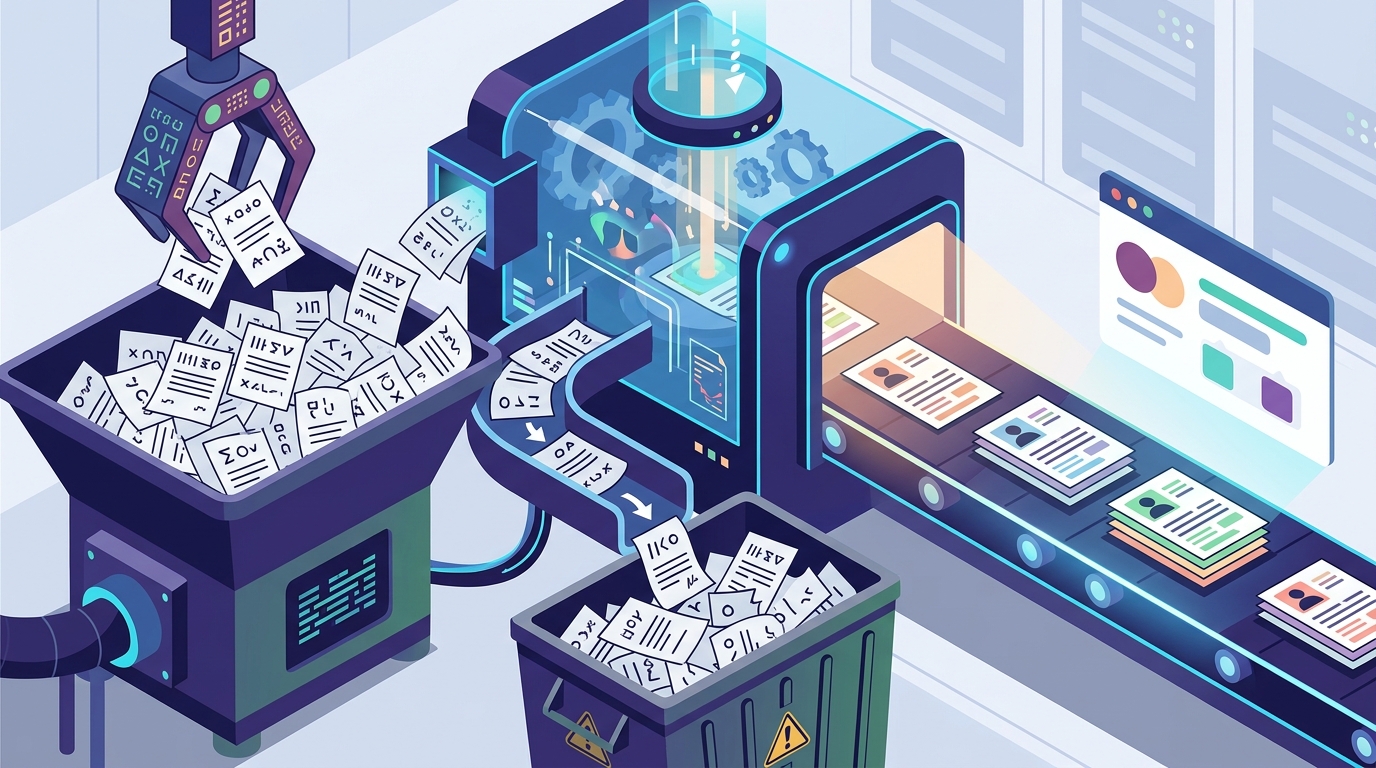
Artificial intelligence uses multiple layers of verification to distinguish between humans and bots. The first layer involves behavioral analysis. AI monitors mouse movements, typing speed, and time spent on each field. Bots often fill forms in milliseconds or exhibit unnatural cursor patterns. These anomalies trigger immediate rejection flags.
The second layer focuses on content analysis. Natural language processing algorithms scan resumes for generic templates or AI-generated text markers. They look for repetitive phrasing or lack of specific personal details. If a resume lacks unique identifiers, the system may flag it for manual review or automatic deletion.
Identity verification is the third critical component. AI recruiting solutions often require candidates to verify their identity through email, phone, or professional networks like LinkedIn. This step ensures that the applicant is a real person with a verifiable digital footprint. Match2 leverages these verification methods to maintain the integrity of the candidate pool.
Behavioral Biometrics
Behavioral biometrics analyze how a user interacts with a device. This includes keystroke dynamics and touch patterns on mobile devices. Bots cannot replicate the subtle variations in human typing rhythm. This data point is highly accurate for filtering out automated submissions.
Content Fingerprinting
Content fingerprinting checks resumes against known databases of AI-generated text. It also looks for structural inconsistencies that are common in auto-filled documents. For example, a bot might submit a resume with perfect formatting but no actual work history details.
Key Features to Look For in Recruiting Software
When selecting an AI recruiting solution, employers must evaluate specific capabilities. Not all software handles bot detection equally well. The following table compares essential features found in modern recruiting platforms.
| Feature | Description | Impact on Bot Prevention |
|---|---|---|
| AI-Powered Assessment | Uses algorithms to evaluate candidate skills and fit. | High. Filters out candidates who cannot complete assessments. |
| Behavioral Analysis | Monitors user interaction patterns during application. | High. Detects non-human input speeds and patterns. |
| Identity Verification | Confirms the applicant's real-world identity. | Medium. Prevents anonymous bot submissions. |
| Automated Screening | Filters resumes based on predefined criteria. | Medium. Reduces manual review of low-quality apps. |
Employers should prioritize platforms that offer integrated assessment tools. These tools force candidates to demonstrate their skills in real-time. This requirement is difficult for bots to bypass without advanced and costly programming. Match2 provides these integrated features to streamline the hiring process.
Implementation Strategies for Employers
Implementing bot detection requires a strategic approach. Start by auditing your current application process. Identify where bots are most likely to enter your system. Common entry points include public job boards and easy-apply features.
Next, integrate AI-driven verification steps into your application form. Add questions that require specific, personal answers. Avoid yes-or-no questions that bots can answer instantly. Use the Match2 blog for additional tips on optimizing your application workflow.
Finally, monitor your metrics regularly. Track the ratio of applications to interviews. If this ratio drops significantly, it may indicate a bot influx. Adjust your filtering criteria accordingly. Continuous monitoring ensures that your defenses remain effective against evolving bot technologies.
Optimize Application Forms
Keep application forms concise but challenging. Too many fields encourage bots to use auto-fill tools. Too few fields may not provide enough data for AI analysis. Find a balance that requires genuine effort from the candidate.
Use Multi-Factor Authentication
Require candidates to verify their identity through multiple channels. This could include a phone call, an email link, or a social media login. Each additional step increases the cost and complexity for bot operators.
Benefits of Automated Screening
Automated screening offers significant advantages beyond bot prevention. It reduces the time hiring managers spend on initial reviews. This efficiency allows them to focus on high-potential candidates. It also improves the candidate experience by providing faster feedback.
Furthermore, automated screening reduces unconscious bias. AI algorithms evaluate candidates based on predefined criteria rather than subjective impressions. This approach promotes diversity and fairness in the hiring process. For more insights on hiring trends, visit the Match2 About page.
Employers who adopt these technologies often see a reduction in time-to-hire. They also report higher quality hires because the initial pool is cleaner. This leads to better retention rates and lower recruitment costs over time.
Key Takeaways
- Bot applications are increasing in volume and sophistication, requiring advanced AI detection.
- Behavioral biometrics and content analysis are the most effective methods for identifying fake applications.
- Integrated assessment tools force candidates to demonstrate skills, which bots cannot easily replicate.
- Identity verification steps add a critical layer of security to the application process.
- Regular monitoring of application metrics helps employers detect and respond to bot threats quickly.
- Automated screening reduces bias and improves the overall efficiency of the hiring workflow.
- Platforms like Match2 offer connected candidate solutions that prioritize genuine human interaction.
Frequently Asked Questions
What is a job application bot?
A job application bot is an automated software program that submits resumes to multiple job postings without human intervention. These bots are designed to maximize the number of applications submitted in a short period.
How does AI detect fake resumes?
AI detects fake resumes by analyzing content for AI-generated text patterns and checking for structural inconsistencies. It also monitors the time taken to complete the application and the user's interaction patterns.
Can bots bypass CAPTCHA tests?
Yes, advanced bots can bypass basic CAPTCHA tests using solving services or sophisticated algorithms. Employers must use more advanced verification methods, such as behavioral analysis or identity checks.
Why is bot detection important for employers?
Bot detection is important because it saves time and resources. It ensures that hiring teams only review genuine applications from qualified candidates. This leads to faster and more effective hiring decisions.
What is Match2?
Match2 is a connected candidate recruiting solution that helps employers find and hire the right talent. It focuses on quality over quantity by reducing the noise of automated applications.
How can I reduce the number of bot applications?
You can reduce bot applications by implementing AI-driven verification steps, using assessment tools, and optimizing your application forms to require genuine effort.
Does automated screening reduce bias?
Yes, automated screening can reduce unconscious bias by evaluating candidates based on predefined, objective criteria rather than subjective impressions.
Next Steps
Stop wasting time on fake applications and start hiring the right talent. Take control of your recruiting process with Match2. Contact us today to schedule a demo and see how our AI recruiting solutions can transform your hiring workflow. Visit our FAQ page for more information.