

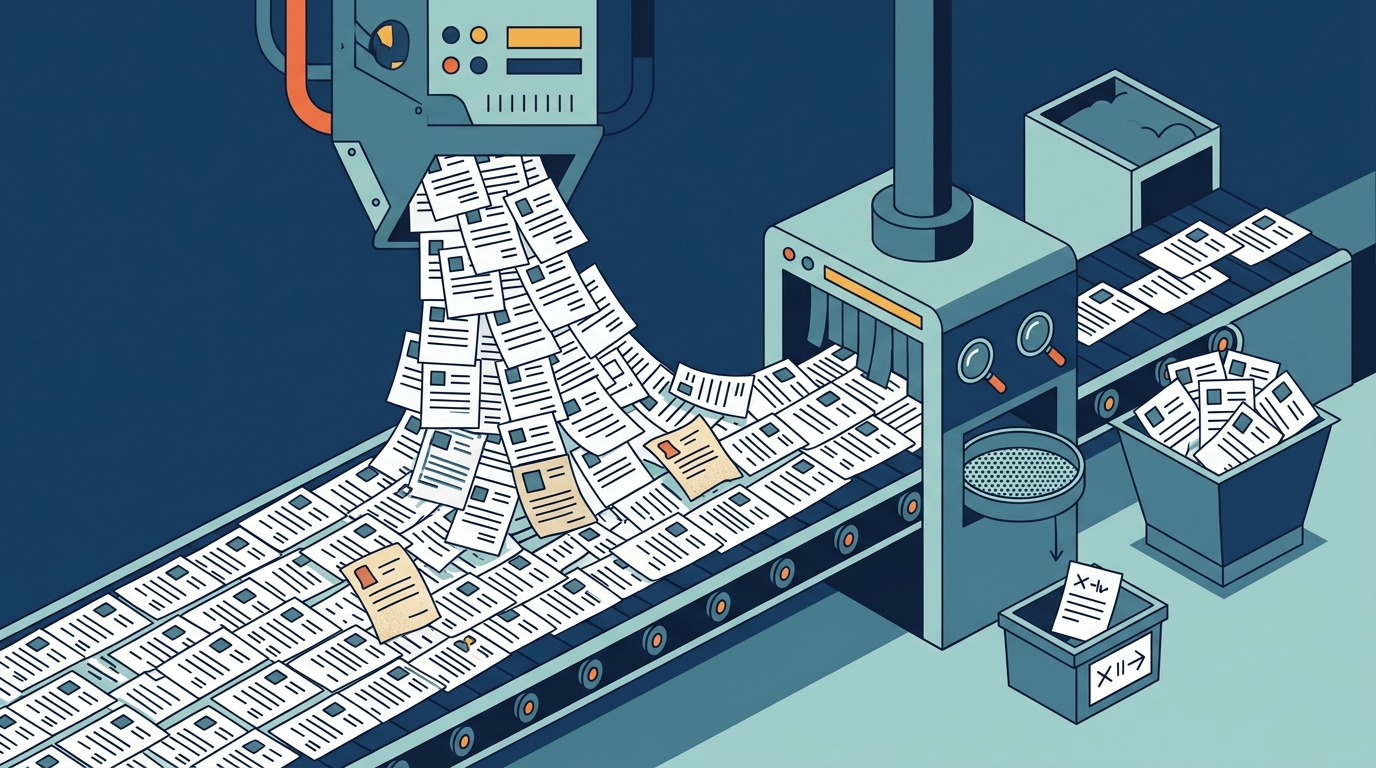
Generative AI tools have fundamentally altered the landscape of digital recruitment. According to recent industry data, the volume of AI-generated job applications has surged by over 40 percent in the last two years. This rapid adoption creates significant challenges for hiring teams. Recruiters now face a complex filtering problem. They must distinguish between genuine candidate potential and sophisticated synthetic profiles. Ignoring these digital deception tactics leads to wasted resources and poor hiring outcomes. Understanding the mechanics of this fraud is the first step toward securing your talent pipeline. (Match2 s Mission Vision)
Understanding AI Application Fraud
Before addressing specific mistakes, it is crucial to define the threat. AI application fraud refers to the use of large language models to fabricate or significantly alter job application materials. This includes resumes, cover letters, and even video interview responses. The goal is to create a profile that appears highly qualified while hiding a lack of genuine experience or skill.
Generative AI is a class of artificial intelligence capable of creating new content, including text, images, and code, based on learned patterns. In recruitment, this technology is often misused to bypass initial screening filters. Candidates use these tools to mimic the tone, structure, and keywords of ideal applicants. This creates a false sense of competence. Recruiters who rely solely on keyword matching often fall victim to this deception.
The scale of this issue is growing. A recent report indicated that nearly 30 percent of job seekers have used AI to write parts of their applications. This statistic highlights the urgency for modern hiring platforms. Organizations must adapt their verification methods to account for synthetic data. Failure to do so results in a diluted candidate pool and increased time-to-hire metrics.
Common Hiring Mistakes
Many organizations make critical errors when evaluating AI-enhanced applications. These mistakes often stem from outdated screening processes. Below are the most frequent pitfalls that compromise hiring integrity.
Mistake 1: Over-Reliance on Keyword Matching
The first major error is trusting automated keyword scanners. Traditional Applicant Tracking Systems (ATS) often rank candidates based on the presence of specific terms. AI-generated resumes are optimized to include these exact keywords. They may list skills the candidate does not possess. This leads to a high volume of irrelevant interviews. Recruiters waste hours reviewing profiles that look perfect on paper but fail in practice.
Keyword matching is a basic search technique that identifies specific terms within a document. While useful for initial filtering, it is easily gamed by generative AI. It does not verify actual proficiency or contextual understanding. Relying on it exclusively allows fraudulent candidates to pass the first hurdle.
Mistake 2: Ignoring Behavioral Inconsistencies
AI can write excellent text, but it struggles with genuine human nuance. A common mistake is failing to spot inconsistencies in a candidate's narrative. For example, a resume might claim deep expertise in a specific software, yet the cover letter uses generic, vague language about it. Or, the timeline of employment might not align with the claimed project outcomes.
Human reviewers often skim these documents. They miss the subtle disconnects. AI fraudsters are getting better at smoothing these edges. However, deep contextual analysis still reveals gaps. Recruiters must look for the "why" behind the "what." If the reasoning lacks personal insight or specific detail, it is likely synthetic.
Mistake 3: Skipping Skills-Based Verification
3.The third mistake is skipping practical assessments. Many hiring managers assume that a polished resume guarantees competence. They move straight to cultural fit interviews. This is a dangerous assumption. AI can fabricate a story about leading a team or launching a product. It cannot easily fabricate the actual work product.
Skills-based hiring is a recruitment approach that evaluates candidates based on their ability to perform specific tasks. It removes the bias of pedigree and focuses on output. Without this step, you are hiring a writer, not a worker. Integrating practical tests early in the process filters out those who rely on fabrication.
Detection Strategies
Combating AI fraud requires a multi-layered approach. You cannot rely on a single tool or method. Instead, you need a comprehensive strategy that combines technology with human judgment.
Strategy 1: Implement Connected Candidate Assessments
The most effective way to detect fraud is to verify skills in real-time. Match2 offers connected candidate recruiting solutions that focus on this exact need. By using interactive assessments, you can see how a candidate thinks. You can observe their problem-solving process. This method makes it nearly impossible for AI to intervene without detection.
Connected candidate recruiting is a methodology that links assessment data directly to hiring decisions. It ensures that the data used to evaluate a candidate is authentic and unaltered. This reduces the risk of synthetic profiles influencing the outcome. It shifts the focus from what a candidate says to what they can do.
Strategy 2: Use Behavioral Analytics
Advanced platforms analyze behavioral data during the application process. This includes typing speed, hesitation patterns, and response times. AI-generated text often has a uniform rhythm. Human writing is more erratic and varied. Behavioral analytics can flag applications that show signs of automated generation.
Behavioral analytics is the study of patterns in human actions to infer intent or authenticity. In hiring, it helps identify non-human input. It adds a layer of security to the application process. This data is particularly useful for identifying bulk applications or rapid-fire submissions.
Strategy 3: Deep Dive Interviews
When you do interview candidates, ask for specific details. Ask about the challenges they faced in previous roles. Ask how they resolved specific conflicts. AI can generate generic answers. It struggles with the emotional and contextual depth of real human experience. Follow-up questions are your best defense. If the candidate cannot elaborate, the profile is likely fabricated.
Platform Comparison
Not all hiring platforms are created equal when it comes to fraud prevention. Traditional ATS solutions often lack the depth required for modern verification. Below is a comparison of different approaches to hiring technology.
| Feature | Traditional ATS | Match2 Connected Solutions | Manual Screening |
|---|---|---|---|
| Fraud Detection | Low (Keyword based) | High (Behavioral + Skills) | Variable (Human dependent) |
| Assessment Integration | Often Siloed | Seamless & Connected | None |
| Time to Hire | Slow | Accelerated | Very Slow |
| Data Integrity | Low | High | Low |
Traditional ATS platforms are designed for storage and retrieval. They are not built for verification. Match2 focuses on the integrity of the candidate data. By connecting assessments directly to the hiring workflow, you ensure that the data you see is the data you get. This reduces the noise caused by AI-generated applications.
Key Takeaways
- AI-generated applications have increased significantly, requiring new detection methods.
- Keyword matching is easily gamed and should not be the sole screening tool.
- Skills-based hiring is the most effective way to verify genuine competence.
- Behavioral analytics can identify non-human input patterns in applications.
- Connected candidate solutions provide higher data integrity than traditional ATS.
- Deep-dive interviews reveal inconsistencies that AI cannot easily fabricate.
- Proactive verification reduces time-to-hire and improves quality of hire.
Frequently Asked Questions
How can I tell if a resume was written by AI?
Look for generic language, lack of specific metrics, and inconsistencies in tone. AI resumes often lack the personal nuance and detailed storytelling of human-written documents. Asking for specific examples during an interview can also reveal synthetic origins.
Does Match2 prevent AI fraud?
Match2 helps mitigate AI fraud by focusing on connected candidate recruiting. By using interactive assessments and behavioral analytics, it verifies skills in real-time. This makes it difficult for AI to intervene in the evaluation process.
What is the best way to screen for AI-generated cover letters?
Focus on the content rather than the format. Ask candidates to elaborate on specific points in their cover letter. If they cannot provide detailed, personal context, the letter was likely generated by AI.
Is it illegal to use AI for job applications?
It is not inherently illegal, but it is unethical if it misrepresents the candidate's skills. Many companies have policies against using AI to fabricate qualifications. It undermines the integrity of the hiring process.
How does behavioral analytics work in hiring?
Behavioral analytics tracks patterns in how a candidate interacts with the application. This includes typing speed, hesitation, and response times. These patterns can indicate whether the input is human or automated.
What are the risks of ignoring AI fraud?
Ignoring AI fraud leads to poor hiring decisions, increased time-to-hire, and higher turnover rates. It also damages the employer brand if candidates feel the process is unfair or inefficient.
Can AI detect AI-generated applications?
Yes, advanced AI tools can detect patterns typical of generative models. However, these tools are not perfect. A combination of technology and human review is the most effective approach.
Secure Your Hiring Process
AI application fraud is a growing threat to hiring integrity. You cannot afford to rely on outdated screening methods. It is time to upgrade your recruiting strategy. Match2 provides the tools you need to verify skills and detect fraud. Visit our Assess page to learn more about our connected candidate solutions. You can also explore our Platform Features to see how we ensure data integrity. For more insights, check out our HR & Recruiting Blog. If you have questions, contact our team via Contact Us. Start securing your talent pipeline today.