

Common Pre-Apply Verification Mistakes That Let Fake Candidates Through
Recruiting teams face a growing crisis of trust. According to a 2024 report by the Association of Certified Fraud Examiners, occupational fraud costs organizations an average of 5% of annual revenue. In the hiring context, this translates to billions lost annually to resume fraud and identity misrepresentation. When fake candidates slip through the pre-apply verification stage, the damage extends beyond wasted time. It compromises workplace safety, dilutes company culture, and exposes the organization to severe legal liability. Understanding where verification processes fail is the first step toward securing your talent pipeline.
Why Fake Candidates Slip Through Verification
The modern recruiting landscape is increasingly digital. Candidates submit applications through portals, social media, and direct emails. This speed creates a false sense of security. Recruiters often assume that a polished resume and a professional LinkedIn profile are sufficient proof of authenticity. However, these digital artifacts are easily fabricated. Sophisticated fraudsters use AI to generate realistic work histories and even create deepfake video introductions. The gap between a candidate's claimed identity and their actual background is where the risk lies. Without rigorous pre-apply verification, organizations are essentially blind to these discrepancies until it is too late.
Verification is not just about checking boxes. It is about establishing a baseline of truth. When this baseline is weak, the entire hiring process becomes vulnerable. The cost of a bad hire is estimated to be 1.5 to 2 times the employee's annual salary. This figure includes recruitment costs, training, lost productivity, and potential legal fees. Therefore, investing in robust verification protocols is not an expense. It is a critical risk management strategy.
Mistake 1: Over-Reliance on Self-Reported Data
The most common error in pre-apply verification is trusting the candidate's narrative without independent validation. Self-reported data includes resumes, cover letters, and initial interview responses. These documents are curated by the candidate to present them in the best possible light. They are inherently biased and often incomplete. Relying solely on this information is like building a house on sand.
Resume fraud is widespread. Studies indicate that nearly 60% of resumes contain some form of inaccuracy. This ranges from minor exaggerations to complete fabrication of employment dates or job titles. When recruiters accept these claims at face value, they miss critical red flags. For example, a candidate might claim to have led a team that never existed. Or they might inflate their role in a successful project. Without cross-referencing these claims with external sources, the recruiter remains unaware of the deception.
To avoid this mistake, organizations must treat self-reported data as a hypothesis to be tested, not a fact to be accepted. This means implementing automated checks that verify employment history, educational credentials, and professional certifications. Tools like those offered by Match2 Assess help streamline this process by providing connected candidate solutions that go beyond surface-level data.
Mistake 2: Ignoring Digital Footprint Analysis
In the digital age, every candidate leaves a trail. Their digital footprint includes social media profiles, professional networks, online portfolios, and even public records. Ignoring this data is a significant oversight. A candidate's online behavior can reveal inconsistencies with their resume. For instance, a candidate claiming to be an expert in a specific software might have no activity or presence in relevant professional communities.
Conversely, a candidate might have a strong digital presence that contradicts their claimed experience. They might post content that reveals a lack of technical knowledge or professional ethics. Digital footprint analysis also helps identify potential cultural fit issues. A candidate who engages in toxic behavior online may bring that same behavior into the workplace.
However, digital footprint analysis must be conducted carefully to avoid bias and privacy violations. It should focus on professional relevance and consistency with the application. Organizations should use structured tools to analyze these footprints objectively. Match2 Features provide the necessary infrastructure to integrate these checks seamlessly into the recruiting workflow.
Mistake 3: Lack of Standardized Verification Checks
Another critical mistake is applying verification checks inconsistently. Some candidates might undergo rigorous screening while others are let off with a cursory glance. This inconsistency creates loopholes that fraudsters can exploit. They may target roles or departments with weaker verification protocols.
Standardization ensures that every candidate is held to the same high bar. It eliminates subjectivity and reduces the risk of human error. A standardized process includes clear criteria for what constitutes a red flag and how to handle discrepancies. It also ensures that all necessary checks are performed for every application, regardless of the role's perceived risk level.
Implementing a standardized verification framework requires commitment and resources. It involves defining clear policies, training recruiters, and leveraging technology to automate checks. Match2 Types offers guidance on upgrading your recruiting strategy to include these standardized checks effectively.
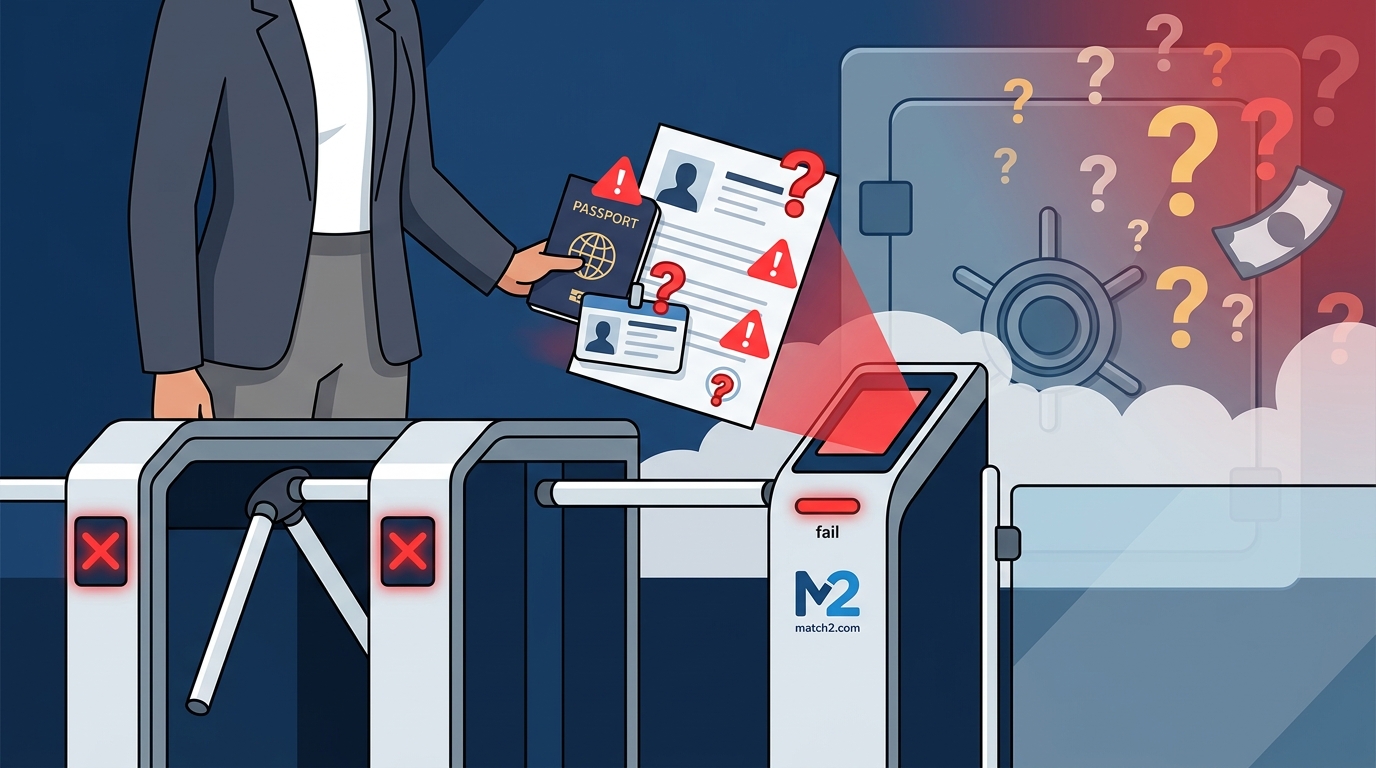
Mistake 4: Delayed Background Screening
Many organizations delay background screening until the final stages of the hiring process. This approach is inefficient and risky. By the time a background check is completed, the organization has already invested significant time and resources in interviewing and evaluating the candidate. If the candidate turns out to be fraudulent, all that effort is wasted.
2024 data from the Society for Human Resource Management highlights that early screening can reduce time-to-hire by up to 30%. This efficiency gain is significant. It allows recruiters to focus on qualified candidates and move the process forward faster. Early screening also acts as a deterrent. Candidates who know that verification happens early are less likely to submit fraudulent applications.Pre-apply verification should include basic identity checks and credential verification. These checks can be automated and completed in minutes. This allows recruiters to filter out obvious fraudsters before they even enter the interview pipeline. Match2 Blog provides further insights into optimizing your recruiting strategy with early verification.
Mistake 5: Ignoring Soft Skill Validation
While technical skills are important, soft skills are equally critical for long-term success. However, soft skills are often overlooked in verification processes. They are harder to quantify and verify than technical credentials. Yet, they are just as susceptible to fabrication. A candidate might claim to be a strong leader or communicator without providing evidence.
Validating soft skills requires more than just asking about them in an interview. It involves assessing behavior through structured assessments, reference checks, and situational judgment tests. These methods provide a more accurate picture of a candidate's true capabilities. Ignoring this aspect of verification leaves a gap in the candidate's profile that fraudsters can exploit.
Organizations should integrate soft skill validation into their pre-apply and early-stage processes. This ensures that candidates are evaluated holistically from the start. Match2 Assess offers tools designed to evaluate both technical and soft skills effectively.
Comparing Verification Methods
Choosing the right verification methods is crucial for effective fraud prevention. Different methods offer varying levels of accuracy, speed, and cost. Below is a comparison of common verification approaches.
| Method | Accuracy | Speed | Cost | Best For |
|---|---|---|---|---|
| Automated Credential Checks | High | Fast | Low | Verifying degrees and certifications |
| Manual Reference Checks | Medium | Slow | Medium | Validating work history and performance |
| Digital Footprint Analysis | Medium | Medium | Low | Assessing cultural fit and consistency |
| Behavioral Assessments | High | Medium | Medium | Validating soft skills and cognitive ability |
| Identity Verification | Very High | Fast | Low | Confirming candidate identity |
Each method has its strengths and weaknesses. A comprehensive verification strategy should combine multiple methods to provide a holistic view of the candidate. Match2 About details the mission behind building such comprehensive solutions.
Key Takeaways
- Fraud costs are significant: Occupational fraud costs organizations an average of 5% of annual revenue according to the Association of Certified Fraud Examiners.
- Resume inaccuracy is common: Nearly 60% of resumes contain some form of inaccuracy, making self-reported data unreliable without validation.
- Early screening saves time: Implementing early verification can reduce time-to-hire by up to 30% according to SHRM data.
- Standardization is key: Applying consistent verification checks across all candidates eliminates loopholes and reduces bias.
- Digital footprints matter: Analyzing a candidate's online presence can reveal inconsistencies and cultural fit issues.
- Soft skills need validation: Behavioral assessments and reference checks are essential for verifying non-technical capabilities.
- Technology enables efficiency: Automated tools like those from Match2 streamline the verification process and improve accuracy.
Frequently Asked Questions
What is pre-apply verification?
Pre-apply verification is the process of validating a candidate's identity, credentials, and background before they are fully considered for a role. It aims to filter out fraudulent applications early in the recruiting process.
Why is resume fraud so common?
Resume fraud is common because the cost of getting caught is low, and the potential reward of landing a job is high. Candidates often exaggerate their skills or fabricate experience to stand out in a competitive market.
How can I prevent fake candidates from slipping through?
You can prevent fake candidates by implementing standardized verification checks, using automated credential verification tools, and analyzing digital footprints. Early screening is also crucial to deter fraudsters.
What are the risks of delayed background screening?
Delayed background screening wastes time and resources. It allows fraudulent candidates to progress through the hiring process, only to be rejected at the end. This delays the hiring process and increases the cost per hire.
Is digital footprint analysis legal?
Digital footprint analysis is legal if conducted ethically and in compliance with privacy laws. It should focus on professional relevance and consistency with the application, avoiding personal or protected information.
How does Match2 help with verification?
Match2 provides connected candidate recruiting solutions that integrate automated verification, assessment, and background checks. Their platform helps organizations streamline the hiring process and reduce fraud risk.
What is the cost of a bad hire?
The cost of a bad hire is estimated to be 1.5 to 2 times the employee's annual salary. This includes recruitment costs, training, lost productivity, and potential legal fees.
Secure Your Hiring Process
Preventing fake candidates from slipping through requires a proactive and comprehensive approach. By avoiding common verification mistakes and leveraging technology, organizations can protect themselves from fraud and build a more trustworthy talent pipeline. Contact Match2 today to learn how our connected candidate solutions can help you secure your hiring process and make better hiring decisions.