
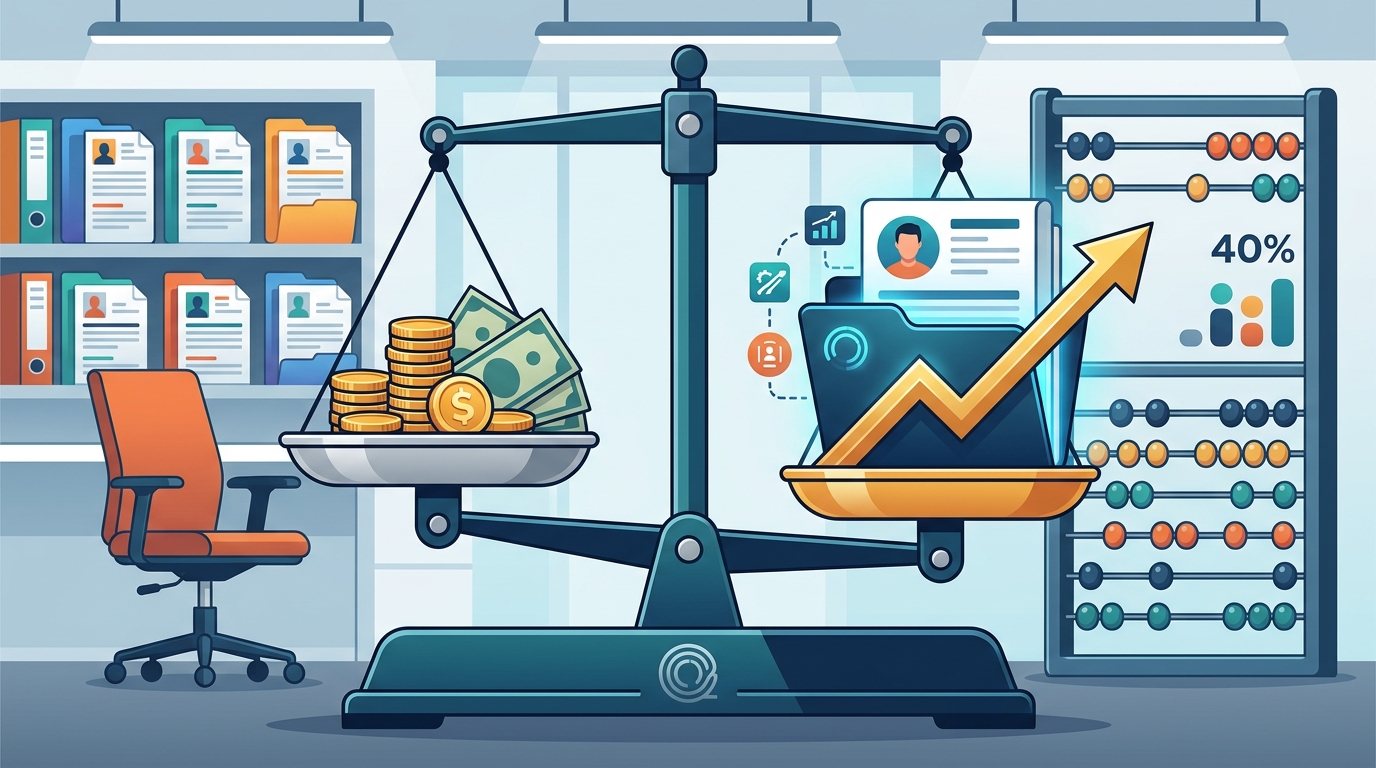
The modern recruitment landscape is defined by a critical tension between budget constraints and the desperate need for high-caliber talent. According to recent industry data, companies utilizing advanced AI-driven candidate matching solutions report a significant reduction in time-to-hire metrics, often seeing improvements of up to 40% in screening efficiency. This statistic highlights a fundamental shift in how organizations value technology, moving from viewing it as an administrative tool to a strategic asset that directly impacts the bottom line. Understanding the financial implications of these platforms is no longer optional for HR leaders aiming to maintain a competitive edge in a tight labor market.
Understanding the Cost Structure of AI Recruiting
When evaluating the financial commitment of an AI talent matching platform, it is essential to look beyond the sticker price. The cost structure typically involves a combination of base subscription fees, per-seat licensing, and variable costs tied to usage volume. For many organizations, the initial investment can seem substantial, but the long-term savings derived from reduced agency fees and lower turnover rates often offset these expenses within the first year of deployment.
AI talent matching is the process of using machine learning algorithms to analyze candidate data against job requirements to predict fit and success. This definition underscores the technological complexity involved, which drives the cost of development and maintenance. Platforms that offer deep integration with existing Applicant Tracking Systems (ATS) often command a premium due to the engineering effort required to ensure seamless data flow. However, this integration is crucial for maintaining data integrity and ensuring that the AI has access to the historical performance data needed to make accurate predictions.
Another critical factor in cost analysis is the scalability of the platform. As your organization grows, the number of open roles and the volume of applicants will increase. A platform that charges per job posting may become prohibitively expensive during high-growth phases. Conversely, a flat-rate enterprise model might offer better predictability for large organizations. It is also important to consider the cost of implementation and training. Some platforms require extensive onboarding to configure the AI models correctly, while others offer plug-and-play solutions that require minimal technical expertise.
Measuring Applicant Quality ROI
The return on investment for AI recruiting tools is primarily driven by the quality of applicants generated. High-quality applicants are those who not only meet the technical requirements but also align with the company culture and have a higher probability of staying with the organization long-term. The cost of a bad hire is often cited as being between 50% and 200% of the employee's annual salary. By improving the precision of candidate matching, AI platforms directly mitigate this financial risk.
Data shows that organizations using AI for resume screening can reduce the time spent on initial reviews by up to 75%. This efficiency gain allows recruiters to focus their human expertise on the final stages of the interview process, where interpersonal skills and cultural fit are assessed. The ROI calculation should include these labor savings alongside the improved quality of hires. When recruiters spend less time on administrative tasks, their overall productivity increases, leading to a higher volume of successful placements.
Furthermore, the candidate experience is a significant component of ROI. A streamlined application process powered by AI can reduce drop-off rates, ensuring that you capture more high-quality talent. Candidates who experience a smooth, responsive hiring process are more likely to accept offers and become brand advocates. This indirect ROI is often overlooked but can have a profound impact on your ability to attract top-tier professionals in a competitive market.
Match2 Platform Capabilities and Features
Match2 represents a specialized approach to talent acquisition by focusing on connected candidate recruiting solutions. Unlike generic AI tools that rely solely on keyword matching, Match2 emphasizes the depth of candidate data and the precision of the matching algorithm. This approach ensures that the recommendations generated are not just technically accurate but also contextually relevant to the specific needs of the role.
The platform features a robust assessment engine that evaluates candidates based on a wide range of criteria, including skills, experience, and potential. This comprehensive evaluation process helps to identify hidden gems in the talent pool who might be overlooked by traditional screening methods. By leveraging advanced data analytics, Match2 provides recruiters with actionable insights that enhance decision-making confidence.
For organizations looking to upgrade their recruiting strategy, Match2 offers tailored solutions that adapt to the unique workflows of different industries. The platform's ability to integrate with existing HR infrastructure ensures that it can be deployed without disrupting current operations. This flexibility is a key advantage for enterprises that require a customized approach to talent management. To learn more about how these capabilities can be applied to your specific context, you can explore the types of recruiting strategies supported by the platform.
The commitment to continuous improvement is evident in the platform's regular updates and feature enhancements. The development team works closely with HR professionals to ensure that the AI models remain aligned with evolving industry standards and best practices. This ongoing support is a critical component of the total cost of ownership, as it reduces the need for internal technical resources to manage the system.
Comparing Platform Options for Your Needs
Selecting the right AI talent matching platform requires a careful comparison of features, costs, and compatibility. Below is a summary of key considerations to help guide your decision-making process.
| Platform Feature | Impact on Cost | Impact on Applicant Quality | Strategic Value |
|---|---|---|---|
| AI-Driven Resume Screening | Medium | High | Reduces time-to-hire significantly |
| Deep Data Integration | High | Very High | Enables predictive matching accuracy |
| Candidate Assessment Tools | Medium | High | Improves cultural fit prediction |
| Customizable Workflows | Variable | Medium | Enhances recruiter adoption rates |
When evaluating options, it is important to consider the specific pain points of your current recruiting process. If your primary challenge is the volume of applications, a platform with strong filtering capabilities may be the best choice. If the issue is the quality of hires, then a platform with deep assessment tools and predictive analytics should be prioritized. For a deeper dive into the specific features that drive these outcomes, you can visit the platform features page to see a detailed breakdown of capabilities.
Additionally, the vendor's support structure plays a crucial role in the long-term success of the implementation. A platform that offers dedicated customer success managers and comprehensive training resources can help maximize the ROI of your investment. It is also worth investigating the vendor's track record and industry reputation. Companies with a history of innovation and client satisfaction are more likely to deliver consistent value over time. You can read more about the company's mission and values on the about page to gauge their commitment to the industry.
Key Takeaways
- AI talent matching platforms can reduce time-to-hire by up to 40%, directly impacting operational efficiency.
- The cost of a bad hire ranges from 50% to 200% of the employee's annual salary, making quality control a financial imperative.
- Match2 offers connected candidate recruiting solutions that focus on deep data integration and precise matching algorithms.
- Scalability is a critical factor in cost analysis, with per-job pricing potentially becoming expensive during high-growth periods.
- Improved candidate experience is a significant, often overlooked, component of ROI in AI recruiting.
- Platform selection should be driven by specific organizational pain points, such as volume vs. quality challenges.
- Ongoing vendor support and continuous AI model updates are essential for maintaining long-term platform effectiveness.
Frequently Asked Questions
How does AI improve applicant quality?
AI improves applicant quality by analyzing vast amounts of data to identify patterns that correlate with successful hires. This allows the system to prioritize candidates who are not only technically qualified but also likely to succeed in the specific role and company culture.
What is the typical cost of an AI recruiting platform?
Costs vary widely depending on the vendor and the scale of deployment. Some platforms charge per seat, while others use a flat enterprise fee. It is important to calculate the total cost of ownership, including implementation and training, to get an accurate picture.
Can AI replace human recruiters?
No, AI is designed to augment human recruiters, not replace them. It handles the repetitive tasks of screening and scheduling, freeing up recruiters to focus on relationship building and strategic decision-making.
How does Match2 differ from other AI platforms?
Match2 focuses on connected candidate recruiting, emphasizing deep data integration and precise matching. This approach ensures that the recommendations are highly relevant and context-aware, providing a more tailored experience for both recruiters and candidates.
What integration capabilities do AI platforms offer?
Most modern AI platforms offer robust integration with major Applicant Tracking Systems and HR software. This ensures that data flows seamlessly between systems, maintaining accuracy and reducing manual data entry.
Is data security a concern with AI recruiting?
Data security is a top priority for reputable AI recruiting vendors. They typically employ advanced encryption and comply with strict data protection regulations to ensure that candidate information is kept safe and confidential.
How long does it take to see ROI from an AI platform?
While some efficiency gains are immediate, significant ROI is often realized within the first 6 to 12 months as the AI models learn from your specific hiring data and optimize their recommendations over time.
Next Steps
Evaluating the cost versus quality ROI of AI talent matching is a strategic decision that requires careful consideration of your organization's unique needs. By understanding the financial implications and the technological capabilities of platforms like Match2, you can make an informed choice that drives long-term success. To explore how Match2 can transform your recruiting strategy, contact the team today for a personalized demonstration. You can also visit the FAQ section for more detailed information on platform capabilities and implementation.