
Universal Job Profiles: The 2026 Guide to Cross-Site Candidate Data
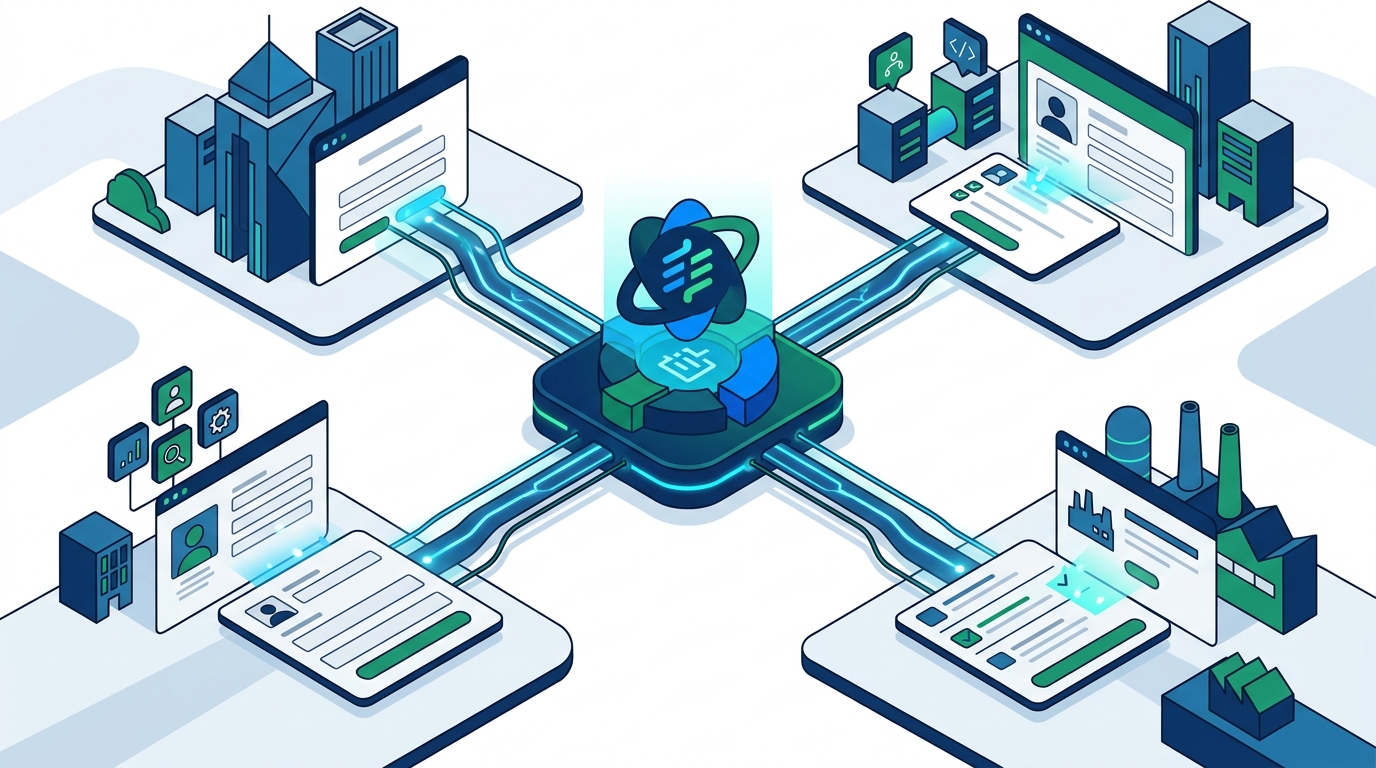
Yes, a universal job profile is now a functional reality for modern recruiting. It is a single, persistent candidate data layer that travels across multiple employer career sites. This guide explains how universal profiles solve the fragmentation of applicant tracking systems. It covers career site integration, profile portability, and application autofill. We detail how Match2 enables this connectivity for both employers and job seekers. For additional details, review the .
The Fragmentation of Applicant Tracking Systems
Applicant tracking system is a software platform used by recruiters to manage the hiring process. Most organizations rely on these tools to store resumes, track interview stages, and manage candidate communication. However, a critical structural flaw exists in the current market. Every major vendor creates a closed ecosystem. When a candidate applies to Company A, their data lives in Company A's system. When they apply to Company B, they must create a new account from scratch. For additional details, review the About.
This siloed approach creates significant friction for job seekers. Candidates must repeatedly upload the same resume, re-enter their contact information, and re-verify their skills for every single application. This repetitive data entry leads to application fatigue. Many qualified candidates abandon the process because the administrative burden is too high. For employers, this results in a lower quality of applicant pool. Candidates who are tired of the process often submit incomplete or low-effort applications.
The core issue is that data does not travel. A candidate's verified skills, availability, and application history remain trapped in one vendor's database. There is no standard protocol for moving this data between different platforms. This lack of interoperability is the primary barrier to a seamless hiring experience. It forces candidates to act as their own data brokers, manually copying and pasting information across dozens of portals.
Modernizing Career Site Integration
Career site integration is the technical process of connecting a company's public job board with its internal hiring tools. Traditionally, this involved embedding a third-party widget or redirecting users to a vendor-hosted portal. These methods often create a disjointed user experience. The candidate leaves the company's branded site to apply, breaking the visual and functional continuity. This drop-off point is where many candidates abandon the application process.
Modern integration strategies focus on maintaining a seamless brand experience. The goal is to keep the candidate on the company's domain while handling the complex backend logic. This requires a lightweight script that can detect candidate identity and pull in pre-verified data. Instead of a blank form, the candidate sees a personalized interface. This interface reflects their existing profile data, reducing the time to apply from minutes to seconds.
Understanding Profile Portability
Profile portability is the ability of a candidate's professional data to move seamlessly between different employer platforms. This concept shifts the ownership of career data from the employer to the candidate. In the traditional model, the employer owns the data once it is submitted. In the portable model, the candidate retains control. They decide which employers can access their data and for what purpose.
This shift is driven by the need for efficiency and accuracy. A portable profile is a single source of truth. It contains the candidate's most up-to-date resume, verified skills, and work history. When this profile is portable, it eliminates the risk of data inconsistency. Candidates no longer need to maintain five different versions of their resume for five different companies. They update their profile once, and that update propagates to all connected platforms.
Portability also enhances data security and privacy. Candidates can choose to share specific data points with specific employers. For example, they might share their skills and resume with a tech company but withhold their salary history from a retail employer. This granular control aligns with modern privacy expectations. It builds trust between the candidate and the employer. It ensures that the data used for matching is both accurate and consented to.
The Mechanics of Application Autofill
This process is not just about copying text. It involves intelligent mapping of data fields. The system matches the candidate's skills to the job requirements. It formats their experience to fit the specific application template. This reduces the cognitive load on the candidate. They only need to review the pre-filled data and add any specific comments or cover letter details. The time saved is significant, often reducing the application process to under one minute.
For employers, autofill leads to higher completion rates. Candidates are more likely to finish an application when the effort required is minimal. It also improves data quality. Since the data comes from a verified profile, it is less likely to contain typos or outdated information. This allows recruiters to spend less time cleaning data and more time evaluating candidates. It creates a win-win scenario where efficiency drives better hiring outcomes.
Comparing Traditional vs. Universal Profile Models
| Feature | Traditional Siloed Model | Universal Profile Model |
|---|---|---|
| Data Ownership | Employer | Candidate |
| Application Time | 10-20 minutes | Under 1 minute |
| Data Consistency | Low (varies by site) | High (single source of truth) |
| Candidate Fatigue | High | Low |
| Employer Data Access | Static (snapshot at apply) | Dynamic (real-time updates) |
| Privacy Control | Minimal | Granular (candidate consent) |
Key Takeaways
- Universal job profiles solve the fragmentation of applicant tracking systems by creating a single data layer.
- Profile portability shifts data ownership to the candidate, enhancing privacy and accuracy.
- Application autofill reduces application time from minutes to seconds, increasing completion rates.
- Modern career site integration maintains brand continuity while enabling seamless data exchange.
- Employers benefit from real-time access to candidate skills and availability through connected profiles.
- Candidates benefit from reduced administrative burden and greater control over their professional data.
- The shift from siloed to connected models is a critical trend in 2026 recruiting technology.
Frequently Asked Questions
What is a universal job profile?
A universal job profile is a persistent candidate data layer that travels across multiple employer career sites. It contains verified skills, resume data, and application history. It allows candidates to apply to multiple jobs without re-entering their information.
How does profile portability work?
Profile portability works by allowing candidates to own their data. They can choose which employers can access their profile. When they apply to a new job, their data is securely transferred to that employer's system.
Does autofill replace the cover letter?
No, autofill pre-populates standard fields like contact info and skills. Candidates can still add a custom cover letter or specific comments. The goal is to reduce repetitive data entry, not to remove personalization.
Is my data safe with a universal profile?
Yes, candidates retain control over their data. They can revoke access at any time. Data is transferred securely, and candidates can choose what specific information to share with each employer.
How does this benefit employers?
Employers benefit from higher application completion rates and better data quality. They also get real-time access to candidate availability and skills. This allows for more efficient screening and matching.
Can I use a universal profile with any company?
Only companies that have integrated the technology can recognize the profile. If a company has not integrated, the candidate will need to apply manually. The technology is designed to be adopted by forward-thinking employers.
Conclusion
The era of fragmented, siloed recruiting is ending. A universal job profile is the key to unlocking a more efficient and candidate-centric hiring process. By enabling profile portability and application autofill, employers can modernize their career sites and attract top talent. Match2 is at the forefront of this shift, providing the infrastructure for connected candidate recruiting. We empower candidates with a universal profile that travels with them. We empower employers with real-time data and seamless integration. To see how a universal profile can transform your hiring workflow, visit Match2.