

How Modern Career Sites Improve the Candidate Experience
The digital handshake between a job seeker and an employer happens long before a resume is submitted. In an era where talent mobility is at an all-time high, the career site serves as the primary interface for this interaction. According to recent industry data, over 75% of job seekers research a company's culture and values online before applying. This statistic highlights a critical reality: the career site is no longer just a job board; it is a strategic marketing asset. If the experience is friction-heavy, opaque, or outdated, top talent will bounce to a competitor with a more intuitive platform. This guide explores the structural and functional elements that transform a static webpage into a dynamic candidate engagement engine. (Match2 Connected Candidate Recruiting)
The Imperative of Mobile-First Design
Mobile accessibility is not a luxury; it is a baseline requirement for modern recruitment. The majority of job searches now occur on smartphones. A career site that fails to render correctly on smaller screens immediately signals a lack of attention to detail and user empathy. Mobile-first design ensures that navigation, forms, and content are optimized for touch interfaces and variable network speeds. (Match2 Connected Candidate Recruiting)
When candidates can easily browse roles, read descriptions, and submit applications from their phones, the barrier to entry drops significantly. This convenience directly correlates with higher application completion rates. Conversely, a desktop-only experience alienates a vast segment of the talent pool. Match2 focuses on connected candidate solutions that prioritize seamless interaction across all devices. By ensuring that every button is tappable and every form is auto-fill compatible, companies reduce friction. This approach respects the candidate's time and context, fostering a positive first impression. (Match2 Connected Candidate Recruiting)
Transessment and Trust Building
Trust is the currency of recruitment. Candidates are increasingly skeptical of vague job postings and hidden processes. A modern career site builds trust through radical transparency. This includes clear salary ranges, detailed benefit summaries, and honest descriptions of company culture. When a site provides this level of detail, it reduces the anxiety associated with the unknown. Salary transparency has become a key driver for job seekers, particularly among younger demographics who value fairness and openness. (Match2 Connected Candidate Recruiting)
Furthermore, the technical reliability of the site contributes to trust. Slow load times or broken links suggest a disorganized internal operation. A fast, secure, and well-maintained career site signals that the company values efficiency and quality. This perception extends to the candidate's belief that their data will be handled with care. Secure data handling practices, such as GDPR compliance and clear privacy policies, are essential for maintaining this trust. When candidates feel safe, they are more likely to share detailed and honest information about their qualifications.
Streamlining the Application Process
The application process is the most critical touchpoint in the candidate journey. If it is complex, candidates will abandon it. Modern career sites utilize progressive profiling and single-sign-on (SSO) options to simplify this step. Progressive profiling is a method where the system asks for only the most essential information initially, gathering additional details later in the process if needed. This reduces the cognitive load on the applicant.
Another key feature is the ability to upload a resume and have the system auto-populate fields. This technology, often powered by AI, minimizes manual data entry errors and speeds up the submission process. Candidates appreciate the convenience of not having to retype their work history. Additionally, providing real-time status updates keeps candidates informed. Knowing that their application has been received and is under review reduces uncertainty and keeps them engaged with the brand. Match2's connected candidate solutions are designed to facilitate this smooth, uninterrupted flow from interest to application.
The Role of Personalization
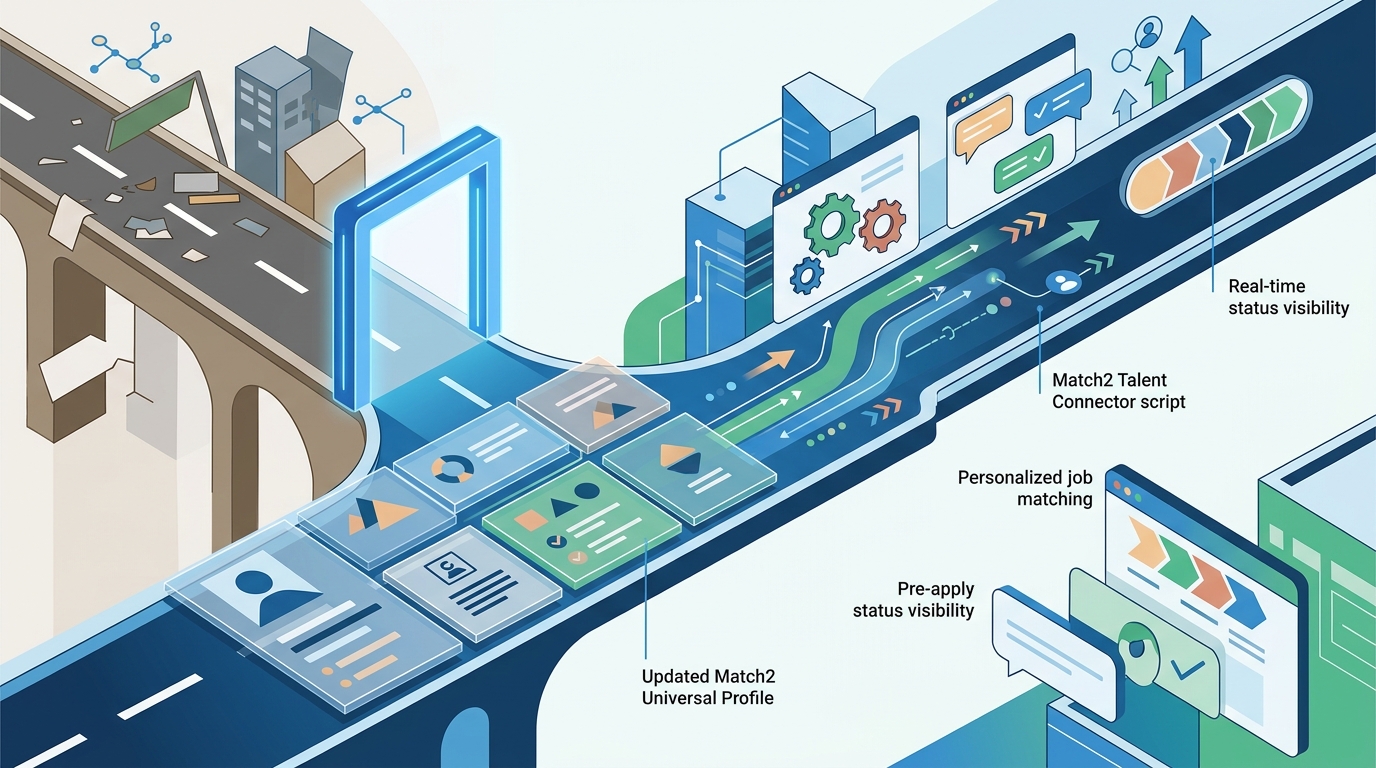
Generic job listings are becoming less effective. Candidates expect a personalized experience that reflects their interests and skills. Modern career sites use data analytics to tailor content for different visitor segments. For example, a returning visitor might see roles relevant to their previous searches or industry. This level of personalization makes the candidate feel understood and valued.
Personalization also extends to content recommendations. Showing blog posts, employee stories, or company news relevant to the candidate's profile can deepen their engagement. This approach transforms the career site from a transactional portal into a relationship-building platform. By delivering relevant content, companies can nurture passive candidates who are not immediately ready to apply but are interested in the organization. This long-term engagement strategy helps build a robust talent pipeline for future hiring needs.
Showcasing Employer Branding
A career site is the digital headquarters of the employer brand. It must tell a compelling story about who the company is, what it stands for, and why it is a great place to work. This involves more than just listing perks. It requires showcasing real employee voices, diverse work environments, and the impact of the company's mission. Employee testimonials and video content are powerful tools for conveying culture in a way that text alone cannot.
Visual consistency is also crucial. The career site should align with the company's overall brand identity, using consistent colors, typography, and imagery. This reinforces brand recognition and professionalism. Additionally, highlighting diversity, equity, and inclusion (DEI) initiatives is increasingly important. Candidates want to work for organizations that reflect their values. By prominently featuring DEI efforts, companies can attract a wider range of talent and demonstrate their commitment to social responsibility. This authentic storytelling helps differentiate the company in a competitive market.
Career Site Features Comparison
Understanding the difference between traditional and modern career sites helps clarify the value proposition of investment. The table below outlines key distinctions.
| Feature | Traditional Career Site | Modern Career Site |
|---|---|---|
| Mobile Responsiveness | Often poor or non-existent | Optimized for all devices |
| Application Process | Lengthy, manual data entry | Streamlined, auto-fill, one-click apply |
| Content | Static job descriptions | Dynamic, personalized, multimedia-rich |
| Transparency | Limited salary and benefit info | Clear compensation and culture details |
| Analytics | Basic traffic metrics | Deep candidate journey analytics |
Key Takeaways
- Mobile Optimization: Over 75% of job searches occur on mobile devices, making responsive design non-negotiable.
- Transparency: Clear salary ranges and benefit details significantly increase trust and application rates.
- Streamlined Applications: Reducing friction through auto-fill and single-sign-on improves completion rates.
- Personalization: Tailoring content to visitor interests enhances engagement and candidate experience.
- Employer Branding: Authentic storytelling and employee testimonials build a compelling company narrative.
- Technical Performance: Fast load times and secure data handling are critical for maintaining credibility.
- Continuous Improvement: Regularly updating content and analyzing user behavior ensures long-term success.
Frequently Asked Questions
Why is mobile responsiveness critical for career sites?
Mobile responsiveness ensures that job seekers can easily browse and apply from their smartphones. Since a majority of job searches happen on mobile devices, a non-responsive site leads to high bounce rates and lost candidates.
How does transparency in job postings affect applications?
Transparency, such as listing salary ranges and detailed benefits, builds trust with candidates. It reduces uncertainty and helps candidates self-select, leading to higher quality applications and fewer rejections later in the process.
What is progressive profiling in recruitment?
Progressive profiling is a technique where the application form asks for minimal information initially. It gathers additional details later in the process or over time, reducing friction and improving the user experience.
How can career sites showcase company culture?
Career sites can showcase culture through employee testimonials, video content, photos of the workplace, and detailed descriptions of values and DEI initiatives. This authentic storytelling helps candidates visualize themselves working at the company.
What role does analytics play in improving candidate experience?
Analytics help identify friction points in the application process. By tracking where candidates drop off, companies can optimize forms, improve content, and enhance overall usability to increase conversion rates.
Why is personalization important for job seekers?
Personalization makes candidates feel valued and understood by showing them relevant roles and content. It enhances engagement and keeps passive candidates interested in the company over time.
How do modern career sites handle data security?
Modern career sites use secure servers, encryption, and compliance with data protection regulations like GDPR. They also provide clear privacy policies to inform candidates how their data is used and protected.
Next Steps
Transforming your career site into a candidate-centric experience is a strategic imperative. It requires a focus on mobile design, transparency, streamlined processes, and authentic branding. By implementing these best practices, you can attract and retain top talent in a competitive market. Explore how Match2 can help you build a connected candidate recruiting solution that drives results. Contact us today to schedule a demo and see the difference a modern career site can make.