
Artificial intelligence is no longer a futuristic concept in recruitment. It is a present-day operational necessity. According to recent industry data, organizations leveraging AI in their hiring workflows report a significant reduction in time-to-fill metrics. This shift is not merely about speed. It is about precision, scalability, and the elimination of human bias in early-stage screening. As the talent market becomes increasingly competitive, relying on manual processes is a liability. Companies must adopt connected candidate solutions to remain agile and effective in attracting top-tier talent.
Understanding AI in Recruitment
Before diving into implementation, it is crucial to define what AI actually does in this context. AI in recruitment refers to the use of machine learning algorithms and natural language processing to automate and enhance various stages of the hiring process. This technology analyzes vast amounts of data to identify patterns that human recruiters might miss. The goal is to create a more efficient and objective hiring funnel.
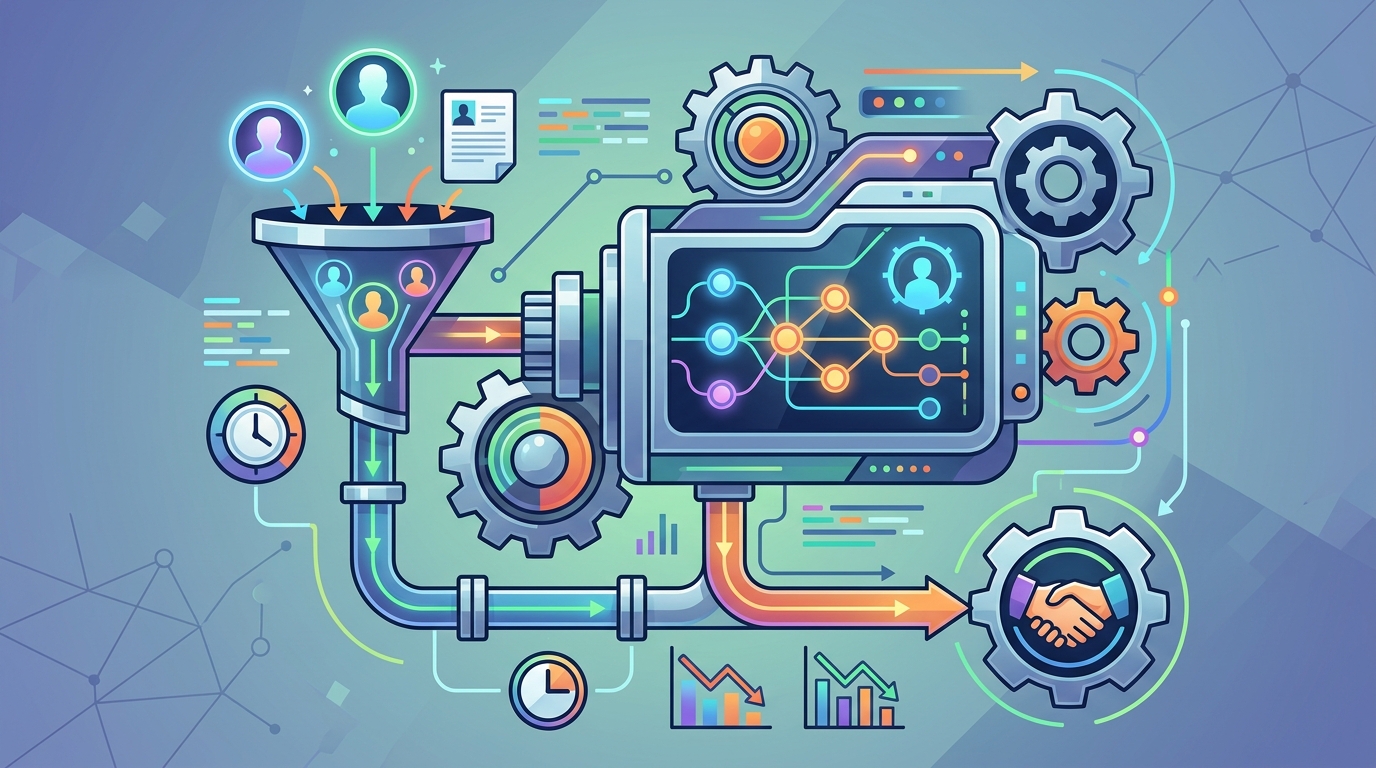
Traditional hiring methods often suffer from bottlenecks. Resumes pile up, and manual screening takes days or weeks. AI systems can process thousands of applications in seconds. They rank candidates based on predefined criteria, such as skills, experience, and cultural fit. This allows recruiters to focus on high-value activities like interviewing and relationship building. For more details on how these systems operate, you can explore the assessment capabilities offered by modern recruiting platforms.
The integration of AI also helps in reducing unconscious bias. By focusing on data-driven metrics rather than subjective impressions, companies can build more diverse and qualified teams. This approach aligns with broader industry trends toward equitable hiring practices. According to recent workforce studies, diverse teams outperform homogeneous ones in innovation and profitability. AI serves as a neutral arbiter in the initial screening phase, ensuring that every candidate is evaluated on their merits.
Key AI Hiring Applications
AI is not a monolithic tool. It comprises several distinct applications that address different pain points in the hiring lifecycle. Understanding these applications helps you determine where to start your automation journey.
1. Automated Resume Screening
This is the most common entry point for AI in hiring. Algorithms parse resumes to extract key information such as skills, job titles, and years of experience. They then match this data against the job description. This process eliminates the need for manual keyword searching. It ensures that no qualified candidate is overlooked due to formatting issues or unconventional career paths. For a deeper look at how assessment tools fit into this workflow, visit the features page.
2. Candidate Sourcing and Engagement
AI-powered sourcing tools scan professional networks and job boards to identify passive candidates who match your criteria. These tools can also automate initial outreach messages. This proactive approach expands your talent pool beyond active job seekers. It allows recruiters to build pipelines for future roles before they even open. Effective sourcing is critical for maintaining a steady flow of talent.
3. Predictive Analytics for Retention
Advanced AI models can predict candidate success and retention rates. By analyzing historical hiring data, these models identify which candidates are most likely to thrive in specific roles. This predictive capability reduces turnover costs and improves long-term team stability. It shifts the focus from just filling a seat to making strategic hires that drive business growth.
Implementing an AI Strategy
Adopting AI is not just about buying software. It requires a strategic approach to integration and change management. Here is a step-by-step framework for implementation.
Step 1: Define Your Goals
Start by identifying the specific bottlenecks in your current hiring process. Are you struggling with time-to-fill? Is the quality of hires inconsistent? Define clear metrics for success. This will help you choose the right AI tools and measure their impact accurately. For guidance on setting these goals, check out the blog resources on strategic hiring.
Step 2: Choose the Right Technology
Not all AI tools are created equal. Look for platforms that offer transparency in their algorithms and robust data security. Ensure the tool integrates seamlessly with your existing Applicant Tracking System (ATS). Compatibility is key to avoiding data silos and ensuring a smooth workflow. Explore the types of solutions available to find the best fit for your needs.
Step 3: Train Your Team
AI is a tool, not a replacement for human judgment. Recruiters need training on how to interpret AI outputs and make final decisions. Emphasize that AI handles the volume, while humans handle the nuance. This hybrid approach maximizes the benefits of both technology and human expertise.
Choosing the Right Platform
Selecting the right AI recruiting solution is critical. Below is a comparison of key factors to consider when evaluating platforms.
| Feature | Basic AI Tools | Advanced Connected Solutions |
|---|---|---|
| Resume Parsing | Keyword-based matching | Semantic understanding of skills |
| Candidate Sourcing | Limited to job boards | Multi-channel passive candidate search |
| Bias Reduction | Minimal | Algorithmic auditing and blind screening |
| Integration | Standalone | Seamless ATS and CRM integration |
| Analytics | Basic reporting | Predictive insights and ROI tracking |
Advanced connected solutions, like those offered by Match2, provide a holistic view of the candidate journey. They connect sourcing, assessment, and hiring data into a single dashboard. This level of integration is essential for making informed decisions at scale.
Measuring Success
To ensure your AI investment pays off, you must track the right metrics. Key performance indicators (KPIs) should align with your initial goals. Common metrics include time-to-fill, cost-per-hire, and quality-of-hire. Additionally, monitor candidate experience scores. AI should enhance, not hinder, the candidate journey. According to workforce engagement reports, a positive candidate experience significantly impacts employer brand reputation. Regularly review these metrics to optimize your AI workflows and ensure continuous improvement.
Key Takeaways
- AI reduces time-to-fill by automating resume screening and initial outreach.
- Predictive analytics help identify candidates with higher retention potential.
- Connected candidate platforms integrate sourcing, assessment, and hiring data.
- Human oversight remains critical for final decision-making and candidate engagement.
- Choosing the right platform requires evaluating integration capabilities and bias reduction features.
- Measuring ROI through KPIs like cost-per-hire and quality-of-hire is essential.
- AI supports diversity goals by focusing on data-driven, objective candidate evaluation.
Frequently Asked Questions
Is AI replacing recruiters?
No, AI is augmenting recruiters. It handles repetitive tasks like screening, allowing recruiters to focus on strategy and relationship building.
How does AI reduce bias in hiring?
AI reduces bias by focusing on skills and experience data rather than subjective impressions. It uses standardized criteria to evaluate all candidates equally.
Can AI integrate with my existing ATS?
Most modern AI recruiting solutions are designed to integrate seamlessly with popular Applicant Tracking Systems. Check the FAQ section for specific compatibility details.
What is the ROI of AI in hiring?
ROI varies by organization but typically includes reduced time-to-fill, lower cost-per-hire, and improved quality-of-hire. These factors contribute to significant long-term savings.
Is candidate data secure with AI tools?
Reputable AI platforms prioritize data security and compliance with regulations like GDPR and CCPA. Always verify the security protocols of any vendor you choose.
How do I start implementing AI in my hiring process?
Start by identifying your biggest hiring bottlenecks. Then, explore about our solutions to find a platform that addresses those specific needs.
What are the limitations of AI in recruitment?
AI cannot assess soft skills or cultural fit as effectively as human interaction. It is best used for initial screening and data analysis, not final decision-making.
Next Steps
Ready to transform your hiring process? Discover how Match2 can help you streamline your recruitment with connected candidate solutions. Contact us today to schedule a demo and see the difference AI can make for your organization.