
How Modern Career Sites Improve the Candidate Experience
The digital handshake between a job seeker and a potential employer happens long before a resume is submitted. In 2024, candidate experience surveys revealed that 60% of job seekers have rejected a job offer due to a poor application process. This statistic underscores a critical reality: your career site is not merely a job board. It is the primary touchpoint for your employer brand. When the digital interface is clunky, opaque, or slow, you lose top talent to competitors who prioritize frictionless interaction. A modern career site acts as a strategic asset, transforming passive browsers into engaged applicants through intuitive design, transparent communication, and mobile-first accessibility. (Match2 Connected Candidate Recruiting)
The Imperative of Mobile-First Design
Gone are the days when job seekers primarily applied for roles via desktop computers. Today, the majority of job searches begin on a smartphone. If your career site is not optimized for smaller screens, you are effectively closing the door on a significant portion of your talent pool. A mobile-first approach ensures that navigation, forms, and content are accessible and readable regardless of the device. (Match2 Connected Candidate Recruiting)
Modern career sites utilize responsive design frameworks that adapt content dynamically. This includes larger touch targets for buttons, simplified navigation menus, and auto-fill capabilities for application forms. According to global internet usage statistics, mobile devices account for over half of all web traffic. Ignoring this trend results in high bounce rates and abandoned applications. By prioritizing mobile usability, you signal to candidates that your company values their time and convenience.
Transparency and Role Clarity
Candidates are increasingly skeptical of vague job descriptions. They want to know exactly what is expected of them, what the compensation range is, and what the growth trajectory looks like. A modern career site addresses this by providing detailed, structured job postings that go beyond a simple list of duties.
Transparency is the cornerstone of trust. This includes listing salary bands, remote work policies, and essential versus nice-to-have qualifications. When candidates can clearly assess their fit for a role, they are more likely to apply with confidence. This reduces the volume of unqualified applications, saving recruiters time and improving the overall quality of the candidate pipeline. Furthermore, clear communication about the hiring timeline sets realistic expectations, reducing anxiety and improving the perceived professionalism of your organization.
Personalization and AI-Driven Matching
One size does not fit all in recruitment. Modern career sites leverage artificial intelligence to deliver personalized experiences. When a visitor returns to the site, the platform can remember their previous searches or applications and suggest relevant roles. This level of personalization mimics the user experience of leading e-commerce platforms, making the job search feel intuitive and tailored.
AI-driven matching algorithms analyze candidate profiles and behavior to recommend jobs that align with their skills and interests. This not only improves the candidate experience by reducing search effort but also increases the likelihood of a successful hire. By implementing intelligent assessment tools, companies can further refine this matching process, ensuring that candidates are evaluated on their actual capabilities rather than just keyword density in their resumes.
Reducing Application Friction
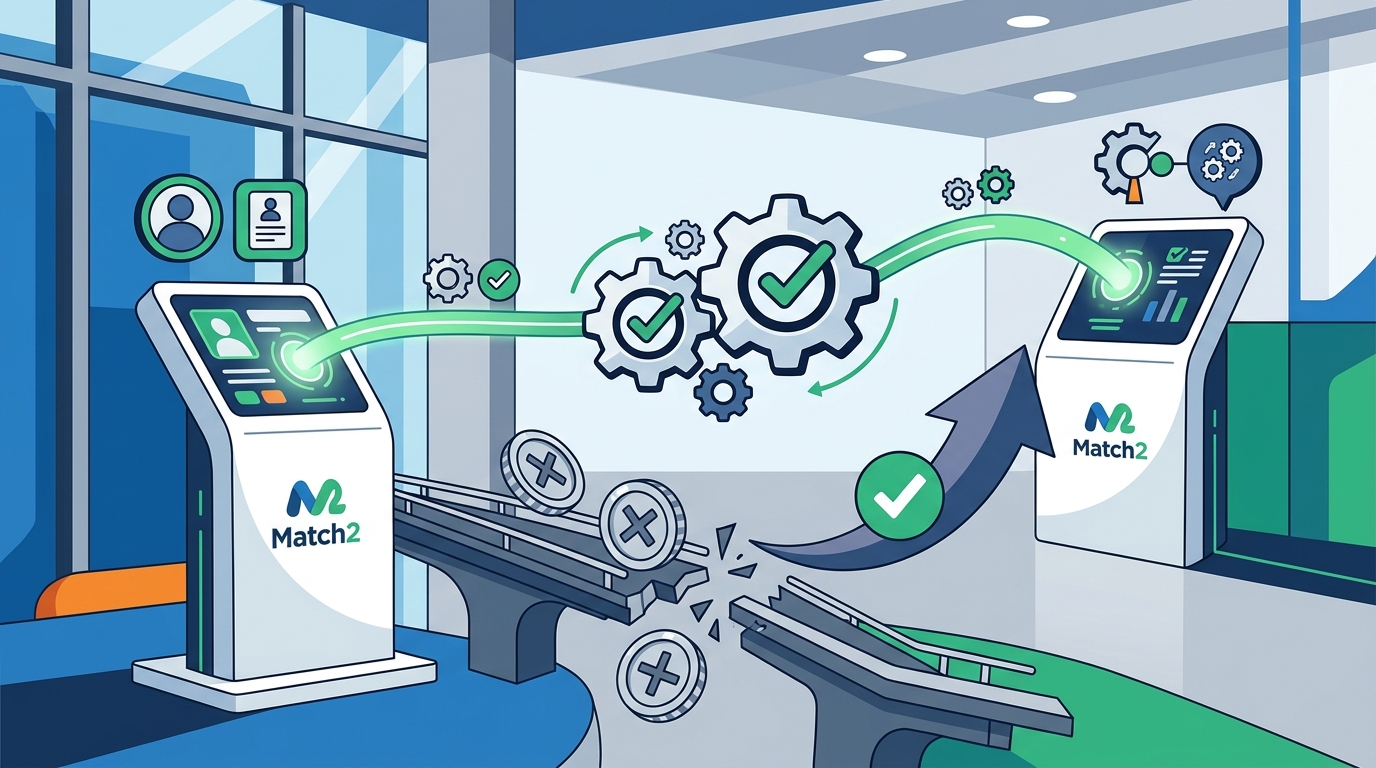
Every extra step in the application process increases the likelihood of abandonment. Modern career sites are designed to minimize friction by simplifying the application workflow. This includes features like one-click apply using LinkedIn profiles, auto-population of resume data, and the ability to save and resume applications later.
A streamlined application process respects the candidate's time. It allows them to focus on showcasing their value rather than navigating complex forms. Research indicates that SHRM studies on talent acquisition show that a seamless application process significantly boosts candidate satisfaction scores. By reducing the number of clicks required to submit an application, you remove barriers to entry and increase conversion rates.
Showcasing Culture and Values
A career site is more than a transactional platform. It is a storytelling medium. Candidates want to know what it feels like to work at your company. Modern career sites integrate rich media, such as employee testimonials, behind-the-scenes videos, and photos of office spaces or remote work setups. This visual storytelling helps candidates connect emotionally with the brand.
Highlighting diversity, equity, and inclusion initiatives is also crucial. Candidates from underrepresented groups look for signals that their company values diversity. By explicitly showcasing these efforts, you attract a broader range of talent. Additionally, providing insights into professional development opportunities, such as training programs or mentorship initiatives, demonstrates a commitment to employee growth. This long-term perspective appeals to ambitious professionals who are looking for more than just a paycheck.
Career Site Feature Comparison
Understanding the difference between traditional and modern career sites helps in evaluating your current strategy. The table below outlines key distinctions.
| Feature | Traditional Career Site | Modern Career Site |
|---|---|---|
| Mobile Optimization | Desktop-centric, poor mobile view | Responsive, mobile-first design |
| Application Process | Lengthy forms, manual data entry | One-click apply, auto-fill, save & resume |
| Content | Text-heavy job descriptions | Rich media, employee stories, culture videos |
| Personalization | Static job listings for all users | AI-driven role recommendations |
| Transparency | Hidden salary and benefits info | Clear compensation bands and policies |
Key Takeaways
- Mobile First: Over 50% of job searches occur on mobile devices, making responsive design non-negotiable.
- Friction Reduction: Simplifying application steps directly correlates with higher completion rates and candidate satisfaction.
- Transparency Builds Trust: Clear salary ranges and role expectations reduce candidate anxiety and improve application quality.
- Personalization Matters: AI-driven recommendations help candidates find relevant roles faster, enhancing their engagement.
- Culture is Content: Rich media and employee testimonials provide a realistic view of the workplace environment.
- Data-Driven Decisions: Utilizing analytics to track candidate behavior allows for continuous optimization of the career site.
- Brand Alignment: The career site must reflect the company's core values and commitment to diversity and inclusion.
Frequently Asked Questions
What is the most important feature of a modern career site?
The most critical feature is a mobile-optimized, frictionless application process. Candidates expect to apply easily from any device, and complex forms are the primary cause of application abandonment.
How does personalization improve candidate experience?
Personalization reduces the cognitive load on candidates by showing them jobs that match their skills and interests. This makes the search process more efficient and increases the likelihood of a relevant application.
Why is transparency about salary important?
Transparency builds trust and respect. Candidates appreciate knowing the compensation range upfront, which saves them time if the role does not meet their financial expectations and ensures they apply only if they are a good fit.
How can a career site showcase company culture?
Through the use of employee testimonials, behind-the-scenes videos, and detailed descriptions of benefits and development opportunities. Visual content helps candidates connect emotionally with the brand.
What role does AI play in modern career sites?
AI helps in matching candidates to relevant jobs, automating initial screening processes, and providing personalized content recommendations. This enhances efficiency for both the candidate and the recruiter.
How often should a career site be updated?
Job listings should be updated in real-time as positions are filled or new roles are opened. Content such as culture videos and employee stories should be refreshed quarterly to keep the site dynamic and current.
What metrics should be tracked to measure career site success?
Key metrics include application completion rates, bounce rates, time on page, and source of hire. These data points help identify areas for improvement and measure the effectiveness of recruitment efforts.
Start Optimizing Your Career Site
Your career site is the gateway to your talent pipeline. By prioritizing mobile design, transparency, and personalized experiences, you can significantly improve the candidate experience and attract top-tier talent. Don't let a poor digital experience cost you your next great hire. Explore how Match2's connected candidate solutions can help you build a superior career site. Contact us today to schedule a demo and transform your recruitment strategy.