
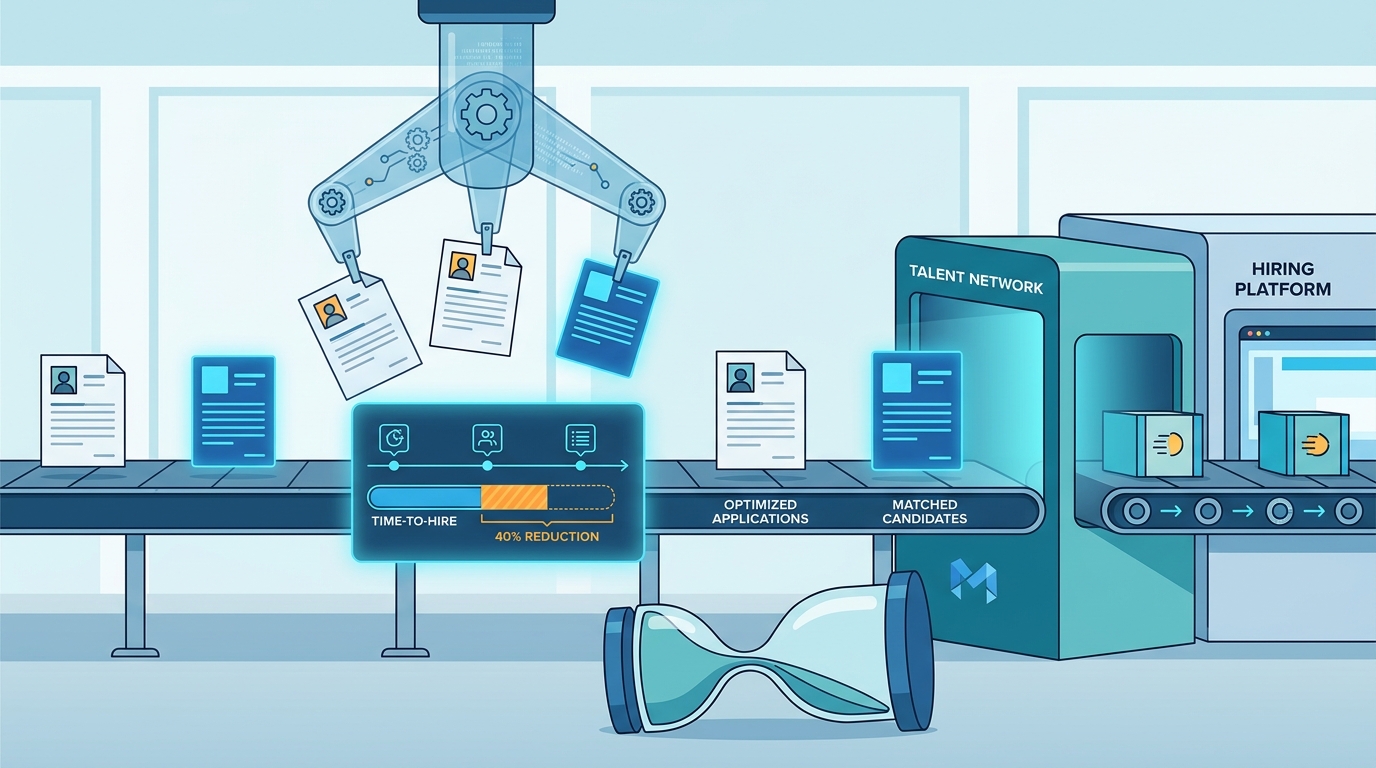
Artificial intelligence is no longer a futuristic concept in talent acquisition. It is the operational backbone of modern hiring. According to recent industry data, organizations leveraging AI-driven recruitment tools report a 40% reduction in time-to-hire metrics compared to traditional manual processes. This shift is not merely about speed. It is about precision, scalability, and the ability to identify high-potential candidates who might otherwise be overlooked. As the talent market becomes increasingly competitive, understanding how to integrate these technologies effectively is critical for maintaining a strategic advantage.
Defining AI in Talent Acquisition
Before implementing any technology, it is essential to understand the core mechanisms at play. AI in recruiting refers to the use of machine learning algorithms and natural language processing to automate and enhance various stages of the hiring process. This includes resume screening, candidate sourcing, interview scheduling, and even predictive analytics for retention.
Machine learning is a subset of artificial intelligence that enables systems to learn and improve from experience without being explicitly programmed. In recruiting, this means the system gets better at matching candidates to roles over time as it processes more data. Natural language processing allows computers to understand, interpret, and generate human language. This capability is crucial for parsing resumes and conducting initial candidate screenings.
Deep learning is a specialized form of machine learning based on artificial neural networks with multiple layers. These networks can model complex patterns in large datasets, such as identifying subtle skills gaps in job descriptions or predicting cultural fit based on historical hiring success. Understanding these distinctions helps recruiters choose the right tools for specific needs rather than adopting generic solutions.
Strategic Alignment and Goal Setting
Successful AI implementation begins with clear strategic objectives. You must identify which pain points in your current recruiting workflow are most critical to address. Is it the volume of applications? The quality of hires? The time spent on administrative tasks?
Start by auditing your current process. Map out every step from job posting to offer acceptance. Identify bottlenecks where human intervention adds little value. For example, if recruiters spend 20 hours a week just screening resumes, an AI-driven screening tool can provide immediate relief. Visit our assessment solutions to understand how your current metrics compare to industry benchmarks.
Define specific key performance indicators (KPIs) before deploying any AI tool. Common KPIs include time-to-fill, cost-per-hire, quality of hire, and candidate satisfaction scores. These metrics will serve as your baseline for measuring success. Without clear goals, it is impossible to determine if the AI implementation is delivering value. Set realistic timelines for implementation. A phased approach often yields better results than a big-bang deployment.
Ensuring Data Integrity and Bias Mitigation
Data quality is the foundation of any effective AI system. Garbage in, garbage out. If your historical hiring data is biased or incomplete, your AI models will perpetuate those biases. This is a critical ethical and operational concern in modern recruiting.
Regular audits of your data sources are necessary to ensure accuracy and fairness. Remove any historical data that reflects discriminatory hiring practices. Ensure that job descriptions are written in inclusive language. Tools that analyze job postings for biased language can help standardize your approach. Read more about inclusive hiring practices in our blog resources.
Transparency is key. Candidates should know when they are interacting with AI. This builds trust and ensures compliance with emerging regulations regarding automated decision-making. Establish a governance framework that outlines who is responsible for monitoring AI outputs. This team should regularly review algorithmic decisions for fairness and accuracy. Consult the FAQ section for common questions about data privacy and compliance.
Integration into Existing Workflows
AI tools should enhance, not replace, the human element of recruiting. The goal is to augment recruiter capabilities, allowing them to focus on high-value activities like relationship building and strategic decision-making. Seamless integration with your existing Applicant Tracking System (ATS) is vital.
Choose AI solutions that offer robust API integrations. This ensures that data flows smoothly between your AI tools and your core HR systems. Disconnected systems create silos and reduce efficiency. Look for platforms that offer a unified dashboard for managing all aspects of the hiring process. Explore our feature set to see how we facilitate this integration.
Training is essential for successful adoption. Recruiters need to understand how to interpret AI recommendations and when to override them. Provide comprehensive training programs that cover both the technical aspects of the tools and the strategic implications of AI-driven insights. Encourage a culture of continuous learning and adaptation. Stay updated on the latest trends by reviewing our types of AI applications in recruiting.
Enhancing the Candidate Experience
AI can significantly improve the candidate experience by providing faster feedback and more personalized interactions. Candidates expect a smooth, responsive hiring process. Delays and lack of communication are primary reasons for candidate drop-off.
Use AI chatbots to handle initial candidate inquiries and scheduling. These bots can provide 24/7 support, answering common questions about the role and company culture. This immediacy demonstrates respect for the candidate's time. However, ensure that complex issues are escalated to human recruiters promptly. Balance automation with human touchpoints.
Personalization is another key benefit. AI can tailor job recommendations and communication based on candidate preferences and behavior. This makes candidates feel valued and understood. A positive candidate experience enhances your employer brand, even for those who are not hired. Learn more about building a strong employer brand on our about page.
Measuring ROI and Performance
Measuring the return on investment (ROI) of AI initiatives requires a structured approach. Track the KPIs defined in your strategic alignment phase. Compare pre- and post-implementation data to quantify improvements.
Consider both quantitative and qualitative metrics. Quantitative metrics include time-to-fill and cost-per-hire. Qualitative metrics include recruiter satisfaction and candidate feedback. Both are important for a holistic view of performance. Use this data to refine your AI strategies and make informed decisions about future investments.
Regularly review the performance of your AI tools. Are they meeting their objectives? Are there areas for improvement? Be prepared to pivot if the technology is not delivering the expected results. The landscape of AI in recruiting is evolving rapidly. Stay agile and adaptable. Contact our team to discuss your specific needs at our contact page.
Key Takeaways
- Strategic Foundation: Define clear goals and KPIs before implementing AI to ensure measurable success.
- Data Quality: Prioritize clean, unbiased data to prevent algorithmic discrimination and ensure accurate outcomes.
- Human Augmentation: Use AI to automate administrative tasks, freeing recruiters to focus on relationship building.
- Seamless Integration: Ensure AI tools integrate smoothly with existing ATS and HR systems to avoid data silos.
- Candidate Experience: Leverage AI for faster feedback and personalized interactions to enhance employer branding.
- Continuous Monitoring: Regularly audit AI outputs for fairness and performance to maintain trust and compliance.
- Training and Adoption: Invest in comprehensive training for recruiters to maximize the utility of AI tools.
Frequently Asked Questions
How does AI reduce bias in hiring?
AI can reduce bias by focusing on skills and qualifications rather than demographic information. By anonymizing resumes and using standardized scoring criteria, AI helps create a more level playing field for all candidates.
What is the role of human recruiters in an AI-driven process?
Human recruiters remain essential for strategic decision-making, relationship building, and final candidate assessments. AI handles data processing and initial screening, allowing recruiters to focus on high-value interactions.
How do I measure the ROI of AI in recruiting?
Track metrics such as time-to-fill, cost-per-hire, and quality of hire. Compare these metrics before and after AI implementation to quantify the impact on efficiency and effectiveness.
Is candidate data secure when using AI tools?
Reputable AI providers adhere to strict data privacy regulations such as GDPR and CCPA. Ensure your provider has robust security measures in place to protect candidate information.
Can AI replace human recruiters entirely?
No, AI is designed to augment, not replace, human recruiters. The nuanced aspects of hiring, such as cultural fit and negotiation, require human judgment and empathy.
What are the common challenges in implementing AI in recruiting?
Common challenges include data quality issues, resistance to change from staff, and integration complexities. Addressing these through proper planning and training is crucial for success.
How often should AI models be updated?
AI models should be regularly updated and retrained with new data to ensure they remain accurate and relevant. This helps prevent model drift and maintains performance over time.
Ready to Transform Your Recruiting Workflow?
Implementing AI in your recruiting process is a strategic investment that can yield significant long-term benefits. From reducing time-to-hire to improving candidate quality, the advantages are clear. However, success depends on careful planning, execution, and continuous optimization.
Take the first step towards a more efficient and effective hiring process. Schedule a demo with our team to see how Match2 can help you integrate AI into your workflows. Visit our demo page to get started today.