
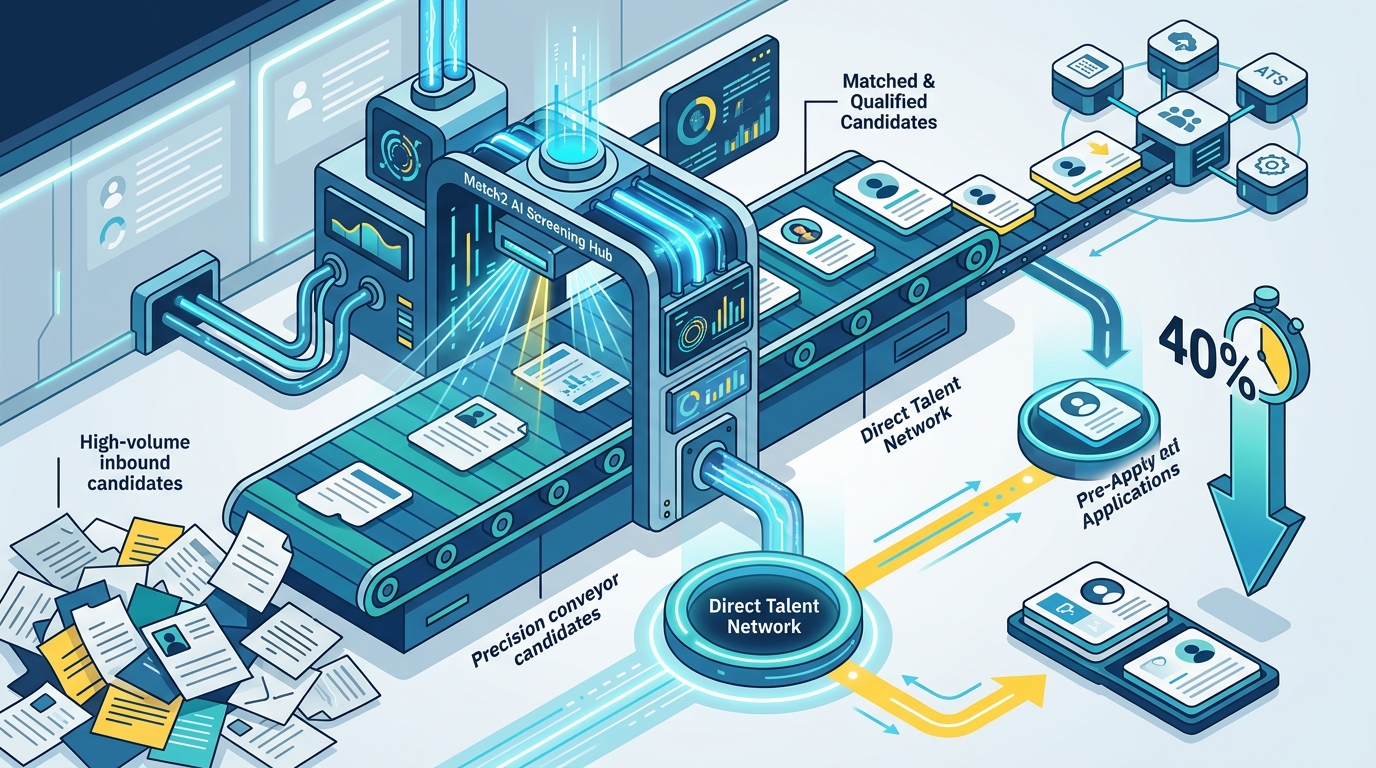
The recruitment landscape is undergoing a seismic shift driven by artificial intelligence. According to recent industry data, organizations that effectively integrate AI into their hiring processes report a 40% reduction in time-to-hire metrics compared to traditional methods. This statistic highlights not just a trend, but a fundamental operational necessity for modern talent acquisition teams. As the volume of applications continues to outpace recruiter capacity, the ability to leverage automated systems for screening, engagement, and decision support has become a critical differentiator. This guide outlines the definitive best practices for implementing AI in recruiting workflows, ensuring that your organization harnesses these tools to enhance human connection rather than replace it.
Understanding AI in Recruiting
Before diving into implementation, it is crucial to define what AI actually means in the context of talent acquisition. AI in recruiting is the application of machine learning algorithms and natural language processing to automate repetitive tasks and enhance decision-making. This definition encompasses everything from resume parsing to chatbot-driven candidate engagement. The goal is not to fully automate the hiring process, but to augment the capabilities of recruiters by handling high-volume, low-complexity tasks.
When recruiters are freed from manual screening, they can focus on high-value activities such as building relationships with passive candidates and conducting nuanced interviews. This shift requires a clear understanding of the specific pain points in your current workflow. Are you struggling with volume? Is your time-to-fill too long? Or are you facing high drop-off rates during the application process? Identifying these specific challenges allows you to target AI solutions that address the root causes of inefficiency.
Furthermore, it is important to recognize that AI is not a static solution. The technology evolves rapidly, and what works today may be obsolete tomorrow. Therefore, adopting a mindset of continuous learning and adaptation is essential. Organizations that view AI as a dynamic component of their strategy are better positioned to capitalize on emerging features and improvements. For more insights on the evolving landscape of recruiting technology, you can explore resources on SHRM's AI recruiting initiatives.
Strategic Planning and Goal Setting
Successful AI implementation begins with a robust strategic plan. Without clear objectives, AI tools can become expensive distractions that fail to deliver measurable ROI. The first step in this phase is to establish key performance indicators (KPIs) that align with your broader business goals. Common KPIs include time-to-hire, cost-per-hire, quality-of-hire, and candidate satisfaction scores.
Once your KPIs are defined, you must map out the specific workflows where AI will have the highest impact. For example, if your primary challenge is the initial screening of thousands of applications, an AI-driven resume parser might be the most logical starting point. If your issue is candidate engagement, an automated chatbot could provide the necessary 24/7 support. This targeted approach ensures that every dollar spent on AI contributes directly to your strategic objectives.
It is also vital to involve key stakeholders early in the planning process. This includes HR leadership, IT security teams, and the recruiters who will be using the tools daily. Their input can reveal potential friction points and ensure that the chosen solution fits seamlessly into the existing organizational culture. For a deeper dive into the strategic aspects of hiring technology, consider reading Gartner's HR technology research.
Selecting the Right AI Tools
The market for AI recruiting tools is saturated, making selection a complex task. The key is to prioritize tools that offer transparency in their algorithms and provide clear evidence of their effectiveness. Vendor transparency is the practice of openly sharing how an AI model makes decisions, including data sources and potential biases. Without this transparency, you risk implementing a "black box" system that could inadvertently introduce bias or fail to comply with regulatory standards.
When evaluating vendors, look for platforms that offer modular solutions. This allows you to start with a single function, such as resume screening, and expand to other areas like interview scheduling or candidate engagement as you become more comfortable with the technology. Match2, for instance, offers a connected candidate recruiting solution that focuses on precision and efficiency. You can learn more about their specific approach by visiting the Match2 Assess page.
Additionally, consider the scalability of the tool. Will it handle your growth over the next three to five years? Does it integrate with your existing Applicant Tracking System (ATS)? Integration is a critical factor that often determines the success or failure of an AI implementation. A tool that requires manual data entry defeats the purpose of automation. For more information on the features that matter most, check out the Match2 Features overview.
Seamless Integration with Existing Systems
Integration is the backbone of any successful AI recruiting workflow. If your AI tool operates in a silo, it creates data fragmentation and increases the workload for recruiters who must switch between multiple platforms. The ideal AI solution should integrate natively with your existing ATS, CRM, and other HRIS tools. This ensures a single source of truth for all candidate data.
During the integration phase, it is crucial to conduct thorough testing. This includes testing data flow, user permissions, and error handling. Identify potential points of failure and create contingency plans. For example, what happens if the AI misclassifies a candidate? Is there a manual override option? These operational details are critical for maintaining trust in the system.
Training is another vital component of integration. Recruiters must be trained not just on how to use the tool, but on how to interpret its outputs. Understanding the limitations of the AI is just as important as understanding its capabilities. For more details on the types of solutions available, explore the Match2 Types of recruiting solutions.
Mitigating Bias and Ensuring Fairness
One of the most significant risks of AI in recruiting is the potential for algorithmic bias. If the training data used to build the AI model contains historical biases, the AI will likely perpetuate or even amplify those biases. Algorithmic bias is the systematic and repeatable error in a computer system that creates unfair outcomes. This can manifest in various ways, such as favoring candidates from specific universities or demographic groups.
To mitigate this risk, you must actively audit your AI tools for bias. This involves regularly reviewing the data inputs and the decision outputs of the AI. Look for patterns that suggest unfair treatment of certain groups. Many leading vendors now offer bias detection and mitigation features as part of their compliance packages. It is essential to choose a vendor that prioritizes fairness and provides tools for ongoing monitoring.
Regulatory compliance is also a growing concern. Laws such as the New York City Local Law 144 require employers to conduct bias audits for automated employment decision tools. Staying ahead of these regulations is not just a legal requirement, but a moral imperative. For more information on compliance and ethics in AI, refer to EEOC technology guidelines.
Maintaining the Human Element
Despite the power of AI, the human element remains irreplaceable in recruiting. Human-in-the-loop is a model where AI handles initial processing, but humans make the final decisions. This approach ensures that empathy, intuition, and contextual understanding are always part of the hiring process. AI can identify a candidate who meets the technical criteria, but only a human can assess cultural fit and potential for growth.
Recruiters should view AI as a co-pilot, not an autopilot. They must remain engaged in the process, questioning the AI's recommendations and providing feedback to improve the model. This collaborative approach builds trust in the technology and ensures that the final hiring decisions are well-rounded and thoughtful. For more insights on the future of recruiting, visit the Match2 Blog.
Additionally, candidate experience must remain a priority. AI can sometimes make the process feel impersonal. To counter this, ensure that there are ample opportunities for human interaction, such as video interviews or phone screens. The goal is to use AI to make the process faster and more efficient, not colder and more distant.
Key Takeaways
- Define Clear KPIs: Establish metrics like time-to-hire and cost-per-hire before implementing AI to measure success accurately.
- Prioritize Transparency: Choose vendors that openly share their data sources and algorithmic logic to ensure fairness and compliance.
- Ensure Seamless Integration: AI tools must integrate natively with your existing ATS to prevent data silos and reduce recruiter workload.
- Audit for Bias: Regularly review AI outputs for discriminatory patterns and utilize vendor-provided bias mitigation tools.
- Maintain Human Oversight: Use a human-in-the-loop model to ensure empathy and contextual judgment remain central to hiring decisions.
- Invest in Training: Train recruiters on how to interpret AI outputs and understand the limitations of the technology.
- Focus on Candidate Experience: Use AI to enhance efficiency, but ensure the process remains personal and engaging for candidates.
Frequently Asked Questions
How does AI improve the recruiting process?
AI improves recruiting by automating repetitive tasks such as resume screening and scheduling, which reduces time-to-hire and allows recruiters to focus on high-value interactions with candidates.
Can AI eliminate bias in hiring?
AI can help reduce human bias if properly configured and audited, but it can also perpetuate bias if the training data is flawed. Regular audits and transparent algorithms are essential to mitigate this risk.
What is the best AI tool for recruiting?
The best tool depends on your specific needs, such as volume, integration requirements, and budget. Platforms like Match2 offer specialized solutions for connected candidate recruiting. You can explore options at Match2.com.
How do I ensure data privacy with AI recruiting?
Ensure your vendor complies with data protection regulations like GDPR and CCPA. Use tools that offer data encryption and clear data retention policies to protect candidate information.
Is AI replacing recruiters?
No, AI is augmenting recruiters by handling administrative tasks. The human element of empathy, negotiation, and cultural assessment remains critical and cannot be fully automated.
What are the costs associated with AI recruiting tools?
Costs vary widely based on the vendor and the scope of the solution. Some tools charge per user, while others charge per hire. It is important to calculate the ROI based on time savings and improved quality of hire.
How long does it take to implement AI in recruiting?
Implementation time depends on the complexity of the integration and the size of the organization. Typically, it can take anywhere from a few weeks to a few months to fully deploy and train staff.
Get Started with Match2
Implementing AI in your recruiting workflow is a strategic move that can transform your talent acquisition process. By following these best practices, you can ensure that your implementation is effective, ethical, and aligned with your business goals. Match2 is ready to help you navigate this transition with our connected candidate recruiting solutions. To learn more about how we can support your hiring needs, please contact our team today or visit our About page to learn more about our mission.