

Essential Features for Detecting AI-Generated Applications at the Career Site Level
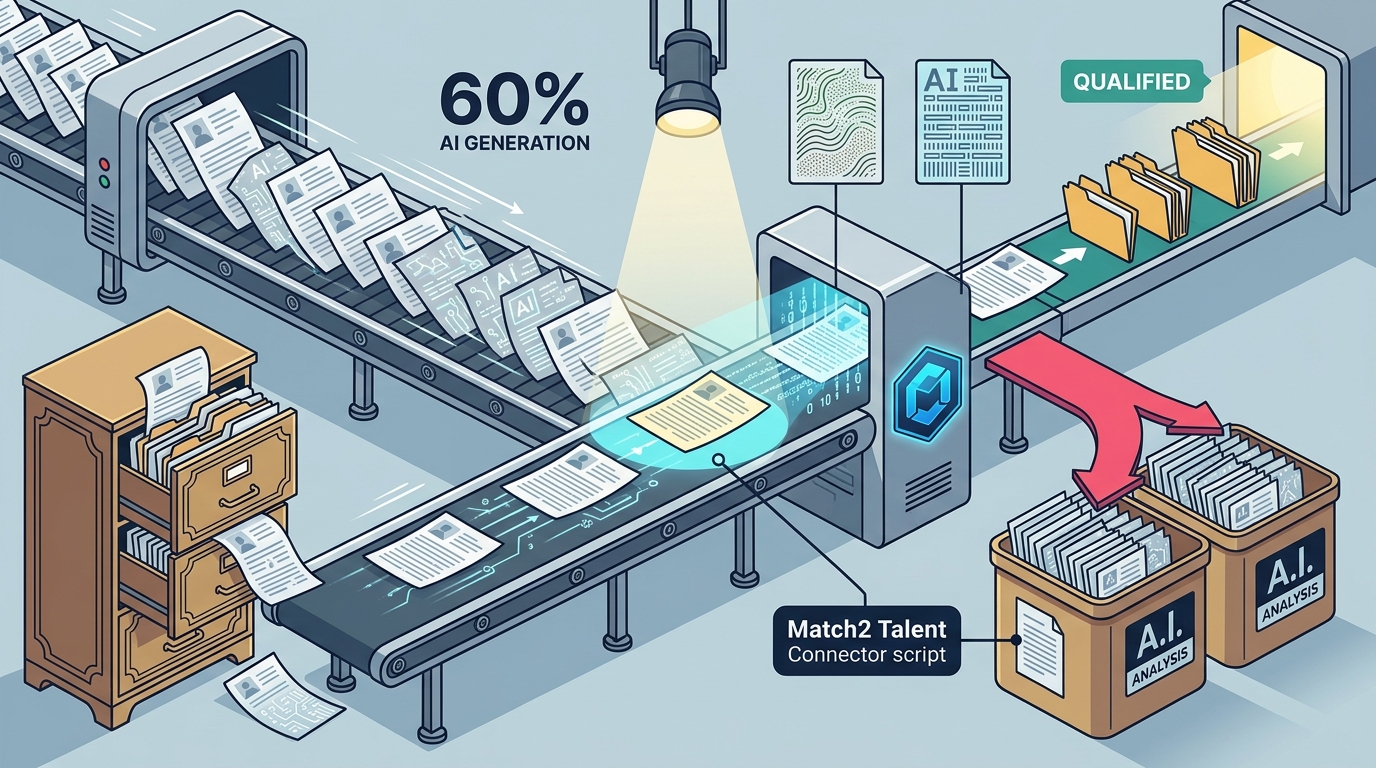
The recruitment landscape is undergoing a seismic shift driven by generative artificial intelligence. According to recent industry data, over 60% of job seekers now use AI tools to draft or refine their resumes and cover letters before submission. This surge in automated application generation has created a significant challenge for talent acquisition teams. Recruiters are no longer just evaluating human potential; they are sifting through a flood of algorithmically optimized, yet often hollow, candidate profiles. The integrity of your hiring process depends on your ability to distinguish between genuine human talent and synthetic content.
Understanding the AI Application Surge
The volume of applications has increased dramatically in recent years. This is not merely a result of economic factors but also the ease with which candidates can generate high-quality text. AI detectors must first understand the baseline of normal application behavior. When a candidate submits an application, the system should analyze the metadata and content structure. Match2 provides a robust framework for evaluating these inputs without compromising the candidate's privacy or experience.
Generative AI models are designed to produce text that is grammatically perfect and semantically coherent. However, this perfection can be a telltale sign of artificial origin. Human writing typically contains irregularities, personal anecdotes, and unique stylistic quirks. AI-generated content often lacks these nuanced human elements. By focusing on these subtle differences, recruiters can identify applications that may have been heavily augmented or entirely generated by AI tools.
The impact on hiring quality is profound. When AI-generated applications flood the system, it becomes difficult to assess a candidate's true communication skills and critical thinking abilities. This is particularly relevant for roles requiring strong written communication or creative problem-solving. Companies that fail to implement detection strategies risk hiring candidates who can mimic competence but lack the underlying capability. For more insights on upgrading your recruiting strategy, explore Match2's approach to recruiting solutions.
Core Detection Mechanisms
Effective detection relies on a combination of linguistic analysis and metadata scrutiny. The first layer of defense involves analyzing the text for patterns common in AI outputs. These patterns include repetitive sentence structures, overuse of certain transitional phrases, and a lack of specific, verifiable details. Advanced systems use natural language processing to score the "perplexity" of the text. Lower perplexity scores often indicate AI-generated content because the text is highly predictable.
Another critical feature is the analysis of application timing and velocity. AI tools can generate and submit applications in seconds. If a candidate submits a lengthy, complex cover letter in under two minutes, it raises a red flag. Human writers require time to think, draft, and edit. Monitoring these temporal metrics helps identify automated submissions. This data-driven approach ensures that only genuine human effort is rewarded.
Metadata analysis is also essential. AI-generated documents often lack the rich metadata that human-created files contain. For example, the author field in a Word document might be blank or generic. Additionally, the creation and modification timestamps can reveal inconsistencies. If a document claims to be written over several days but the metadata shows it was created in a single session, it warrants further review. Match2's platform features include advanced capabilities for evaluating candidate data to support these checks.
Semantic Coherence Scoring
Semantic coherence refers to the logical flow and consistency of ideas within the text. AI models can sometimes struggle with maintaining deep logical consistency over long passages. They may introduce contradictions or vague generalizations that a human expert would avoid. By scoring the semantic coherence of each application, recruiters can identify content that feels "off" or overly generic.
Vocabulary Diversity Analysis
AI models tend to use a limited set of high-frequency words. Human writers, especially those with domain expertise, use a more diverse and specialized vocabulary. Analyzing the lexical diversity of an application can reveal its origin. A low diversity score may indicate that the text was generated by a model relying on common phrasing. This metric is particularly useful for identifying generic cover letters that could apply to any job.
Behavioral and Pattern Analysis
Beyond the text itself, the behavior of the candidate during the application process provides valuable signals. AI detection is not just about the final document; it is about the journey to submission. Candidates who use AI often skip certain steps or fill out fields with unusual speed. For instance, they might answer all screening questions with identical or highly similar responses. This pattern suggests a copy-paste approach rather than thoughtful engagement.
Another behavioral indicator is the use of external tools during the application. Some career sites can detect if a candidate is using screen readers, translation tools, or AI assistants. While these tools are not inherently negative, their presence during the application process can be a factor in evaluating authenticity. It is important to balance detection with fairness. Not all use of technology is malicious, but patterns of automation can signal a lack of genuine interest.
Match2's Connected Candidate Recruiting Solutions offer a holistic view of the candidate journey. By integrating behavioral data with content analysis, recruiters can build a more accurate profile of each applicant. This comprehensive approach reduces false positives and ensures that talented candidates are not unfairly penalized for using assistive technologies. Learn more about our mission and values at Match2 About.
Response Consistency Checks
Consistency checks compare the information provided in different parts of the application. For example, the skills listed in the resume should align with the answers to behavioral questions. AI-generated content may sometimes contain inconsistencies or hallucinations that do not match the candidate's actual experience. Detecting these mismatches helps verify the authenticity of the application.
Engagement Depth Metrics
Engagement depth measures how much a candidate interacts with the career site content. Do they read the job description? Do they explore company information? Candidates who use AI to mass-apply often skip these steps. High engagement depth is a strong indicator of genuine interest and human effort. This metric helps prioritize candidates who are truly invested in the role.
Integration and Workflow
Implementing AI detection requires seamless integration with existing Applicant Tracking Systems (ATS). The detection features should not create additional friction for recruiters. Instead, they should provide clear, actionable insights. For example, the system should flag applications that require review and provide a summary of the detected anomalies. This allows recruiters to focus their time on high-risk candidates rather than manually screening every application.
Workflow automation is key to scaling AI detection. As the volume of applications grows, manual review becomes impossible. Automated scoring and ranking systems can prioritize applications based on authenticity and fit. This ensures that the best candidates rise to the top, regardless of the volume of submissions. Match2's platform is designed to assess candidate potential efficiently and accurately.
Data privacy and compliance are critical considerations. AI detection systems must adhere to strict data protection regulations. Candidate data should be processed securely and used only for the purpose of evaluation. Transparency is also important. Candidates should be informed if AI detection is part of the hiring process. This builds trust and maintains a positive employer brand. For more information on our platform, visit Match2.com.
Automated Flagging Systems
Automated flagging systems use predefined rules to identify suspicious applications. These rules can be customized based on the company's specific needs. For example, a tech company might flag applications with overly technical jargon that does not match the candidate's experience level. A creative agency might look for a lack of personal voice in writing samples. Customizable flagging ensures that detection is relevant and fair.
Recruiter Dashboard Integration
The recruiter dashboard should provide a clear overview of application authenticity. Metrics such as the percentage of flagged applications, average detection scores, and trend analysis should be easily accessible. This data helps recruiters make informed decisions and adjust their strategies as needed. A well-designed dashboard empowers recruiters to manage the influx of AI-generated applications effectively.
Candidate Experience Balance
While detecting AI-generated applications is important, it must not come at the expense of candidate experience. Overly aggressive detection can lead to false positives, where genuine candidates are incorrectly flagged. This can damage the employer brand and deter top talent. It is essential to strike a balance between security and inclusivity.
Transparency and communication play a vital role in maintaining a positive candidate experience. Companies should clearly state their policies on AI use in the application process. Providing guidance on how to write authentic applications can help candidates navigate the process successfully. This approach fosters a culture of integrity and mutual respect.
Match2 is committed to providing solutions that enhance the hiring process without compromising the human element. Our focus is on connecting candidates with opportunities based on their true potential and fit. By leveraging advanced technology responsibly, we help companies build stronger, more authentic teams. Explore our HR & Recruiting Blog for more industry insights.
Fairness and Bias Mitigation
AI detection algorithms must be regularly audited for bias. There is a risk that detection systems may unfairly penalize non-native speakers or individuals with different communication styles. Ensuring fairness requires diverse training data and continuous monitoring. Companies should have a process for reviewing and appealing flagged applications to ensure justice.
Clear Policy Communication
Clear communication of AI policies helps set expectations for candidates. This includes explaining what constitutes acceptable use of AI and what is considered fraudulent. Providing examples of good and bad applications can help candidates understand the standards. This proactive approach reduces confusion and enhances the overall candidate experience.
Key Takeaways
- Volume of AI Applications: Over 60% of job seekers now use AI tools for application materials, necessitating robust detection strategies.
- Linguistic Analysis: Analyzing perplexity, vocabulary diversity, and semantic coherence helps identify synthetic content.
- Behavioral Metrics: Application speed, response consistency, and engagement depth provide critical signals of authenticity.
- Metadata Scrutiny: Examining document metadata can reveal inconsistencies in creation and modification times.
- Integration is Key: Seamless integration with ATS ensures efficient workflow and actionable insights for recruiters.
- Candidate Experience: Balancing detection with fairness and transparency is essential for maintaining a positive employer brand.
- Match2 Solutions: Match2 offers comprehensive tools for assessing candidate potential and upgrading recruiting strategies.
Frequently Asked Questions
What is AI-generated application detection?
AI-generated application detection is the process of identifying job applications that have been created or significantly augmented by artificial intelligence tools. It involves analyzing text, metadata, and behavioral patterns to distinguish between human and synthetic content.
How do recruiters detect AI-generated cover letters?
Recruiters detect AI-generated cover letters by looking for signs of low perplexity, repetitive sentence structures, lack of personal anecdotes, and unusual application speed. Advanced systems use natural language processing to score the likelihood of AI origin.
Is using AI to write a resume considered cheating?
The definition of cheating varies by company. While using AI for brainstorming or editing is often acceptable, submitting an entirely AI-generated application without disclosure may be considered fraudulent. It is best to check the specific company's policy.
Can AI detection systems make mistakes?
Yes, AI detection systems can make mistakes, known as false positives. This is why human review is essential. Candidates who are flagged incorrectly should have the opportunity to appeal and provide additional context.
How does Match2 help with AI detection?
Match2 provides Connected Candidate Recruiting Solutions that include advanced assessment and evaluation features. These tools help recruiters identify high-potential candidates while managing the challenges of AI-generated applications through data-driven insights.
What are the benefits of detecting AI applications?
Detecting AI applications helps maintain the integrity of the hiring process, ensures fairness among candidates, and allows recruiters to focus on genuine human talent. It also helps companies assess true communication and critical thinking skills.
Should candidates disclose AI use in their applications?
Transparency is generally recommended. If a company allows AI use, candidates should follow their guidelines. If unsure, it is better to be transparent about the extent of AI assistance to build trust with the employer.
Ready to Upgrade Your Recruiting Strategy?
The rise of AI-generated applications is not a trend; it is a new reality for talent acquisition. To stay ahead, you need a recruiting solution that combines advanced detection with a human-centric approach. Match2 offers the tools and insights you need to evaluate candidates accurately and efficiently. Don't let AI flood your pipeline with low-quality applications. Take control of your hiring process today.
Visit our contact page to schedule a demo and learn how Match2 can transform your recruiting strategy. Or, explore our FAQ section for more information on our platform capabilities.