
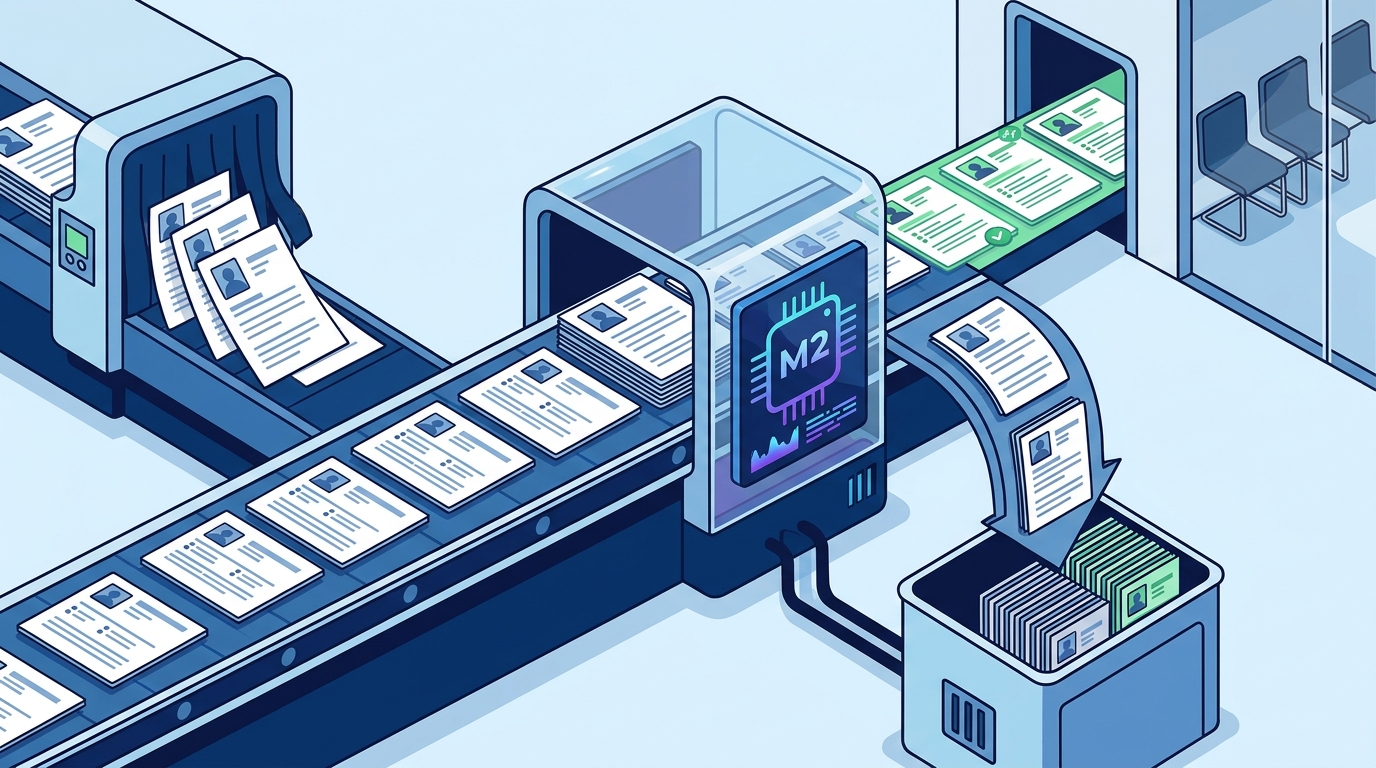
1. Faster Time-to-Hire for Employers
Automated qualification accelerates the initial screening phase significantly. Traditional manual review of resumes is slow and prone to human bias. AI systems can process thousands of applications in seconds, identifying top matches based on skills and experience. This speed allows hiring managers to focus on interviewing qualified candidates rather than sifting through unqualified ones. For additional details, review the Customer Experience.
2. Reduced Cost Per Hire
3. Improved Candidate Experience
Instant feedback and relevant matches reduce applicant frustration. Job seekers often face the black hole of unresponsive applications. AI matching provides immediate clarity on whether a candidate fits a role. This transparency builds trust and keeps candidates engaged with the employer brand. For additional details, review the Frequently Asked Questions.
4. Enhanced Data Accuracy and Updates
Dynamic profiles ensure employers always see current candidate information. Static resumes often contain outdated skills or contact details. A universal profile that updates in real time provides accurate data on skills and availability. This accuracy helps employers make informed decisions based on current capabilities rather than historical data. For additional details, review the About.
5. Personalized Job Recommendations
Algorithmic suggestions connect candidates with roles they are most likely to succeed in. Instead of browsing hundreds of irrelevant listings, candidates receive curated recommendations. This personalization increases the likelihood of a successful application and interview. It also helps employers surface passive candidates who may not actively search for their specific role.
6. Simplified Account Management
A single universal profile eliminates the need for multiple platform logins. Job seekers often struggle to manage accounts across dozens of job boards. A unified portal allows candidates to maintain one set of credentials and data. This simplification reduces administrative burden and improves data control for the user.
7. Real-Time Availability Insights
Choosing the Right AI Matching Approach
Selecting an AI matching solution depends on your specific workflow needs. Employers should prioritize platforms that integrate seamlessly with existing applicant tracking systems. Job seekers should look for tools that offer data control and universal profile portability. Match2 focuses on connecting these two sides through a direct talent network that modernizes career sites.
Frequently Asked Questions
How does AI job matching differ from keyword search?
AI job matching analyzes semantic meaning and skill compatibility, while keyword search relies on exact text matches. This allows AI to identify candidates with transferable skills that keyword search might miss.
Is my data safe with AI matching platforms?
Reputable platforms prioritize data security and user control. Match2 allows candidates to manage their data and choose which employers see their profile information.
Can AI matching replace human recruiters?
No, AI matching augments human recruiters by handling initial screening and data management. Human judgment remains essential for cultural fit and final hiring decisions.
How does a universal candidate profile work?
A universal profile is a single digital identity that travels across different career sites. It contains updated resume data, skills, and availability that syncs with employer platforms.