
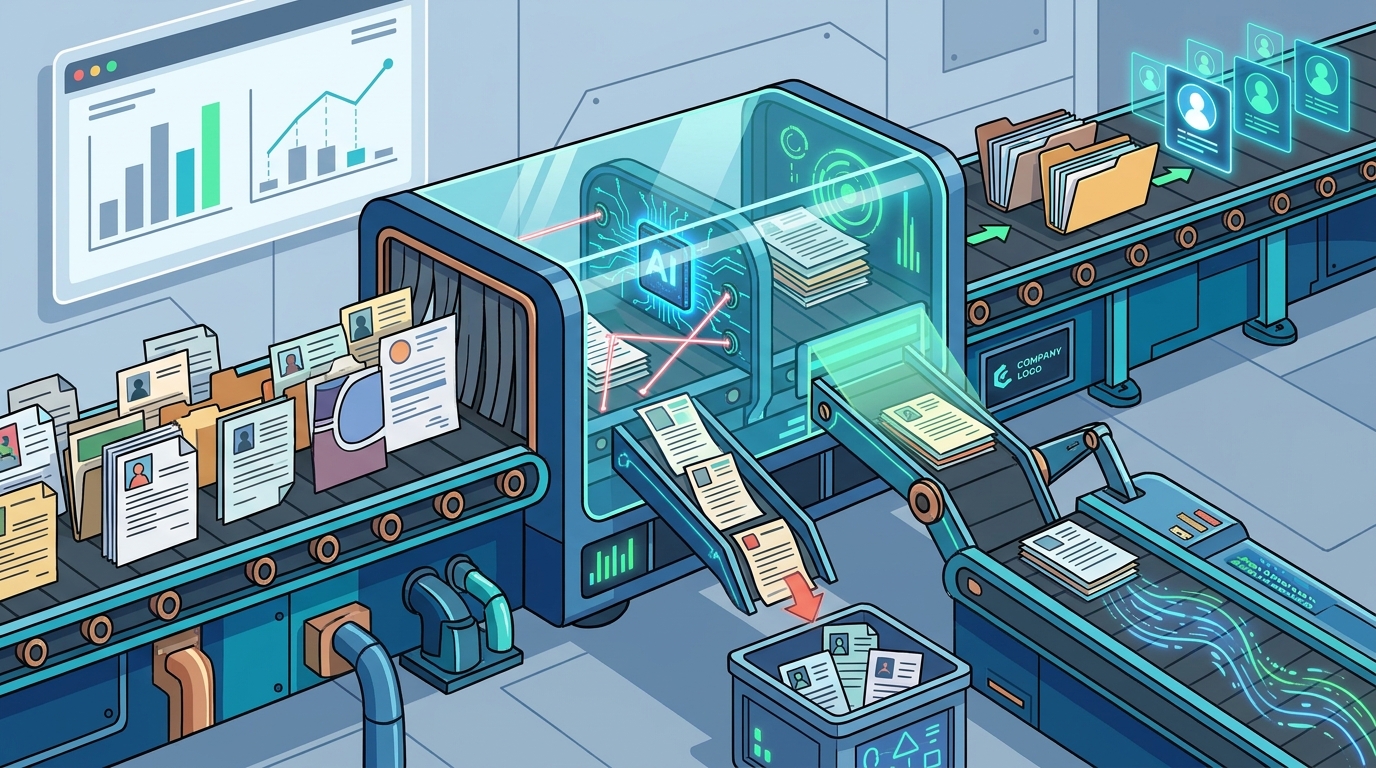
Artificial intelligence is transforming how recruiters manage high volumes of applications. By automating initial assessments, AI screening tools help hiring teams identify candidates who meet specific job requirements while reducing manual review time. This process ensures that only qualified applicants advance to human-led interviews, improving efficiency and candidate experience. For additional details, review the Match2Jobs Workforce Solutions.
1. Keyword and Skill Matching
Automated parsing identifies required technical skills instantly. AI algorithms scan resumes and application forms for specific keywords related to job descriptions. This method quickly flags candidates who lack essential technical competencies or certifications. It reduces the time recruiters spend reading irrelevant applications by focusing on those with the right foundational skills. For additional details, review the Match2Jobs Workforce Solutions.
2. Credential and License Verification
Real-time checks validate professional licenses and degrees. For regulated industries, AI systems connect to authoritative registries to verify credentials. This ensures that candidates hold valid licenses, such as medical boards or engineering certifications, before they proceed. It prevents unqualified individuals from entering the pipeline due to expired or fake credentials. For additional details, review the Match2 s Mission Vision.
3. Behavioral and Personality Assessments
Psychometric tests evaluate cultural and role fit. AI-driven assessments analyze responses to behavioral questions to predict job performance. These tools measure traits like adaptability, teamwork, and problem-solving skills. By filtering for behavioral alignment, employers reduce the risk of hiring candidates who may not thrive in the company culture.
4. AI-Powered Video Interviews
Automated interviews assess communication and technical knowledge. Candidates answer pre-recorded questions via video, and AI analyzes their responses for content and clarity. This method allows employers to screen large numbers of applicants consistently. It helps identify candidates who can articulate their experience effectively and meet the role's communication standards.
5. Work Experience Analysis
Machine learning evaluates the depth and relevance of past roles. AI tools analyze work history to determine if a candidate has sufficient experience in similar positions. They look for patterns in job titles, durations, and responsibilities. This helps filter out applicants whose experience does not align with the seniority or scope of the open role.
6. Language and Communication Proficiency
Natural language processing checks writing and speaking skills. For roles requiring strong communication, AI evaluates the quality of written applications and spoken responses. It assesses grammar, clarity, and tone to ensure candidates meet the required proficiency level. This is particularly useful for customer-facing or international roles where language skills are critical.
7. Compliance and Fraud Detection
Security algorithms detect fraudulent applications and identity issues. AI screening tools can identify inconsistencies in application data that suggest fraud. They also ensure compliance with local labor laws and diversity regulations. This layer of security protects the integrity of the hiring process and reduces legal risks for employers.
Choosing the Right AI Screening Approach
Selecting the appropriate AI screening method depends on the specific needs of the role and industry. For technical positions, keyword matching and credential verification are often the most effective. For customer-facing roles, behavioral assessments and communication checks may be more important. Employers should combine multiple methods to create a comprehensive screening process that balances efficiency with fairness. Explore how Match2 can enhance your recruiting strategy by integrating these AI capabilities into your existing talent acquisition workflow.
Frequently Asked Questions
How does AI screening ensure fairness in hiring?
AI screening tools are designed to evaluate candidates based on objective criteria defined by the job requirements. By removing human bias from the initial screening stage, these tools help ensure that all applicants are assessed consistently. However, employers must regularly audit these algorithms to monitor for any unintended biases.
Can AI screening replace human recruiters?
No, AI screening is designed to augment human recruiters, not replace them. It handles the high-volume, repetitive tasks of initial screening, allowing recruiters to focus on building relationships and conducting in-depth interviews with qualified candidates. The human element remains crucial for final hiring decisions.
What happens to candidates who are filtered out by AI?
Candidates who do not meet the initial AI screening criteria are typically notified that they are not being considered for the role. Some platforms allow candidates to view their match score or provide feedback on why they were not selected. This transparency helps maintain a positive candidate experience even when they are not hired.
Is AI screening legal in all industries?
The legality of AI screening varies by jurisdiction and industry. Employers must ensure that their AI tools comply with local labor laws, data privacy regulations, and anti-discrimination statutes. It is important to consult with legal experts to ensure that AI screening practices are compliant and ethical.
How can employers improve the accuracy of AI screening?
Employers can improve AI screening accuracy by providing clear and detailed job descriptions, using high-quality training data, and regularly updating the algorithms. They should also involve recruiters in the design of screening criteria to ensure that the AI is evaluating the right factors for the role.