

The Mechanics of Automated Qualification
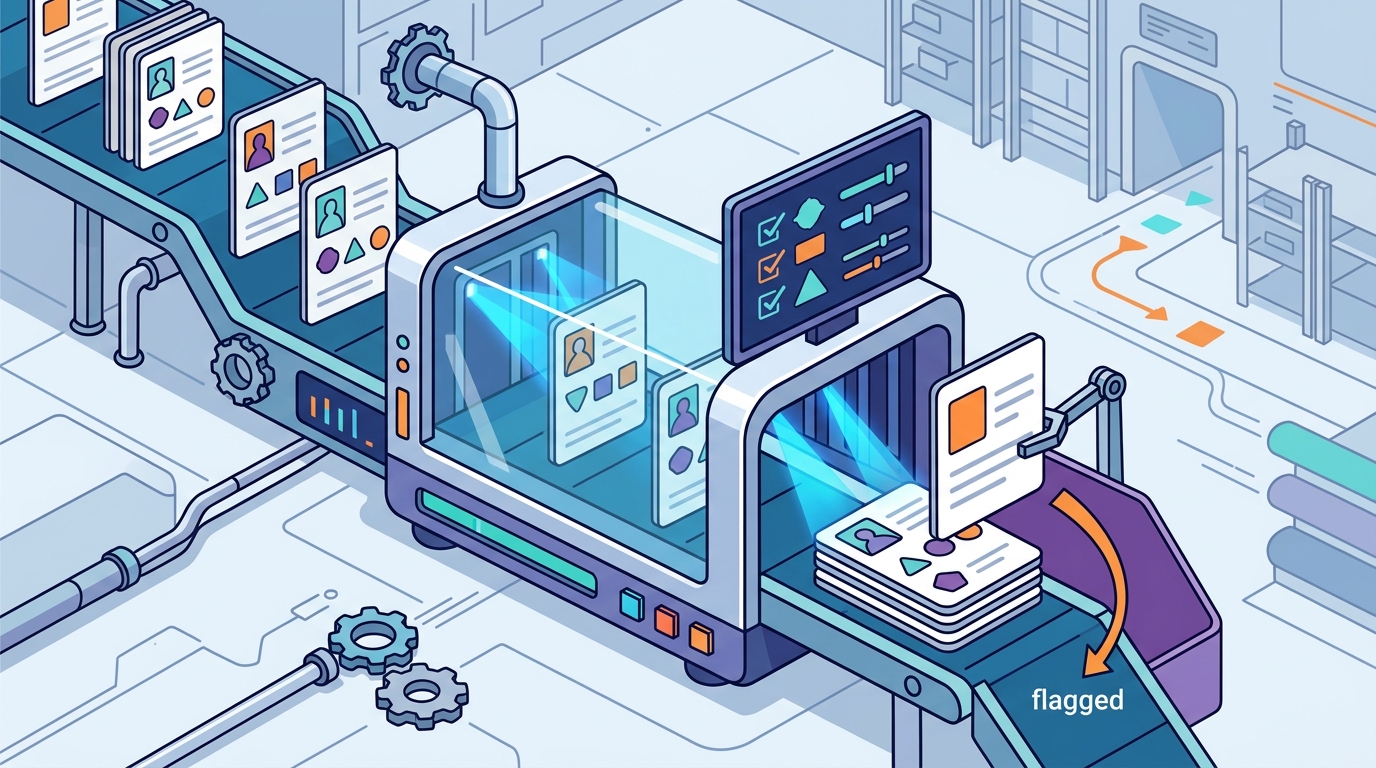
The core mechanism involves mapping candidate attributes to job requirements. When a candidate applies, the system extracts data points such as years of experience, specific technologies, and education levels. It then compares these attributes against the job description's mandatory and preferred criteria. If a candidate lacks a critical requirement, such as a specific certification or minimum years of experience, the system flags the profile as unsuitable. This immediate filtering prevents recruiters from wasting time on candidates who do not meet the baseline standards.
Match2 enhances this process by providing a universal candidate profile. This profile contains verified, up-to-date data that travels with the candidate across different career sites. By using structured data rather than unstructured PDFs, the screening accuracy improves significantly. The system can instantly verify skills and availability, ensuring that the screening decision is based on current facts rather than outdated resume information.
Scoring Models and Fit Algorithms
Once basic qualifications are checked, the system applies a scoring model. AI candidate screening is a method that assigns a numerical value to the likelihood of a candidate's success in the role. This score is derived from historical data, comparing the current candidate to previous successful hires. The algorithm identifies patterns in the resumes of top performers and looks for similar traits in new applicants.
These models use weighted factors to calculate the final score. For example, a senior engineering role might weight "system architecture experience" higher than "unit testing knowledge." The system adjusts the weights based on the specific job description. A candidate with a high score indicates a strong match, while a low score suggests a poor fit. Recruiters can set thresholds to automatically reject candidates below a certain score, ensuring that only the top percentage of applicants are reviewed manually.
This approach reduces bias in the initial screening phase. By focusing on objective data points and verified skills, the system minimizes the impact of unconscious biases related to name, gender, or school prestige. The implication is a more equitable and efficient hiring process. Recruiters spend their time evaluating the strongest candidates, rather than sifting through hundreds of irrelevant applications.
Handling Edge Cases and False Negatives
No AI system is perfect. A significant challenge in automated screening is the risk of false negatives, where a qualified candidate is incorrectly rejected. To mitigate this, modern systems use confidence intervals. If a candidate's data is ambiguous, the system may flag the profile for human review rather than automatically rejecting it. This hybrid approach ensures that edge cases are handled with care.
Another challenge is the diversity of resume formats. Candidates from different industries or countries may present their experience in different ways. AI candidate screening is a technology that adapts to these variations by using robust parsing engines. These engines can handle different layouts, languages, and formatting styles. By normalizing the data, the system ensures that a candidate's qualifications are evaluated fairly, regardless of how they are presented.
Match2 addresses this by maintaining a persistent connection with candidates. The platform keeps candidate data updated in real-time. If a candidate gains a new skill or completes a certification, their profile updates automatically. This ensures that the screening system always has the most current information. It reduces the risk of rejecting a candidate based on outdated data, which is a common issue with traditional application tracking systems.
Integration with Hiring Workflows
Effective AI screening must integrate seamlessly with existing hiring platforms. The system should not create a silo of data but rather enhance the current workflow. When a candidate is screened and qualified, their data should flow directly into the applicant tracking system. This ensures that recruiters have a complete view of the candidate's journey.
The implication of this integration is a faster time-to-hire. By automating the initial screening and data entry, recruiters can move candidates through the pipeline more quickly. This speed is essential in competitive talent markets, where top candidates may receive multiple offers. A streamlined screening process ensures that employers can make decisions before candidates accept other roles.
Key Takeaways
- Scoring models assign numerical values to candidate fit based on historical data and weighted job requirements.
- Structured data from universal profiles improves screening accuracy compared to unstructured resumes.
- Confidence intervals and human review flags help mitigate the risk of false negatives in automated screening.
- Seamless integration with applicant tracking systems ensures that screened data flows efficiently into the hiring workflow.
- Real-time data updates from platforms like Match2 reduce the risk of rejecting candidates based on outdated information.
Frequently Asked Questions
How does AI determine if a candidate is unsuitable?
AI determines unsuitability by comparing candidate attributes against job requirements. It checks for mandatory qualifications, such as minimum years of experience or specific certifications. If a candidate lacks these critical attributes, the system flags the profile as unsuitable.
Can AI screening introduce bias into the hiring process?
AI screening can introduce bias if the training data is biased. However, modern systems are designed to focus on objective data points and verified skills. By minimizing the impact of subjective factors, such as name or school prestige, the system helps reduce unconscious bias in the initial screening phase.
What is the role of a universal candidate profile in AI screening?
A universal candidate profile provides structured, up-to-date data that travels with the candidate. This data allows AI systems to screen candidates more accurately by using verified skills and availability. It reduces the need for manual data entry and improves the overall efficiency of the screening process.
How do scoring models work in AI candidate screening?
Scoring models assign a numerical value to the likelihood of a candidate's success in the role. This score is derived from historical data, comparing the current candidate to previous successful hires. The algorithm identifies patterns in the resumes of top performers and looks for similar traits in new applicants.
What happens if a candidate's data is ambiguous?
If a candidate's data is ambiguous, the system may flag the profile for human review. This hybrid approach ensures that edge cases are handled with care. It reduces the risk of false negatives, where a qualified candidate is incorrectly rejected.
How does Match2 integrate with existing hiring platforms?
Match2 integrates with major hiring platforms using a Talent Connector script. This script recognizes candidate users and powers the instant matching experience. It allows employers to receive real-time resume, skills, and availability data that updates directly into their existing hiring platforms.
Conclusion
AI candidate screening is a powerful tool for modernizing hiring workflows. By using semantic analysis, scoring models, and structured data, it efficiently filters out unsuitable applicants. This allows recruiters to focus on the strongest candidates and make faster, more informed decisions. Match2 enhances this process by providing a universal candidate profile and seamless integration with existing hiring platforms. To explore how Match2 can modernize your career site and recruiting workflow, visit Match2. Learn more: Match2 One Universal Candidate.