
One Profile, Every Employer: The Ultimate Guide to Centralized Job Application Management
Managing job applications across multiple employers is a fragmented and time-consuming process. A universal candidate profile is a single, persistent digital identity that travels with you across different career sites. This guide explains how to consolidate your resume, application status, and professional data into one centralized hub. It covers the mechanics of centralized tracking and the best practices for resume versioning in 2026. For additional details, review the Match2Jobs Workforce Solutions.
Centralized Application Tracking
The Problem with Siloed Portals
Most Applicant Tracking Systems (ATS) are designed for employers, not candidates. They do not communicate with one another. When you apply to Company A, your data stays in Company A's system. When you apply to Company B, you must re-enter your information or upload a new file. This creates a disjointed experience where you cannot see your overall progress. You might forget that you applied to a role three weeks ago because the confirmation email is buried in your inbox. For additional details, review the Match2Jobs Workforce Solutions.
How Universal Profiles Solve Fragmentation
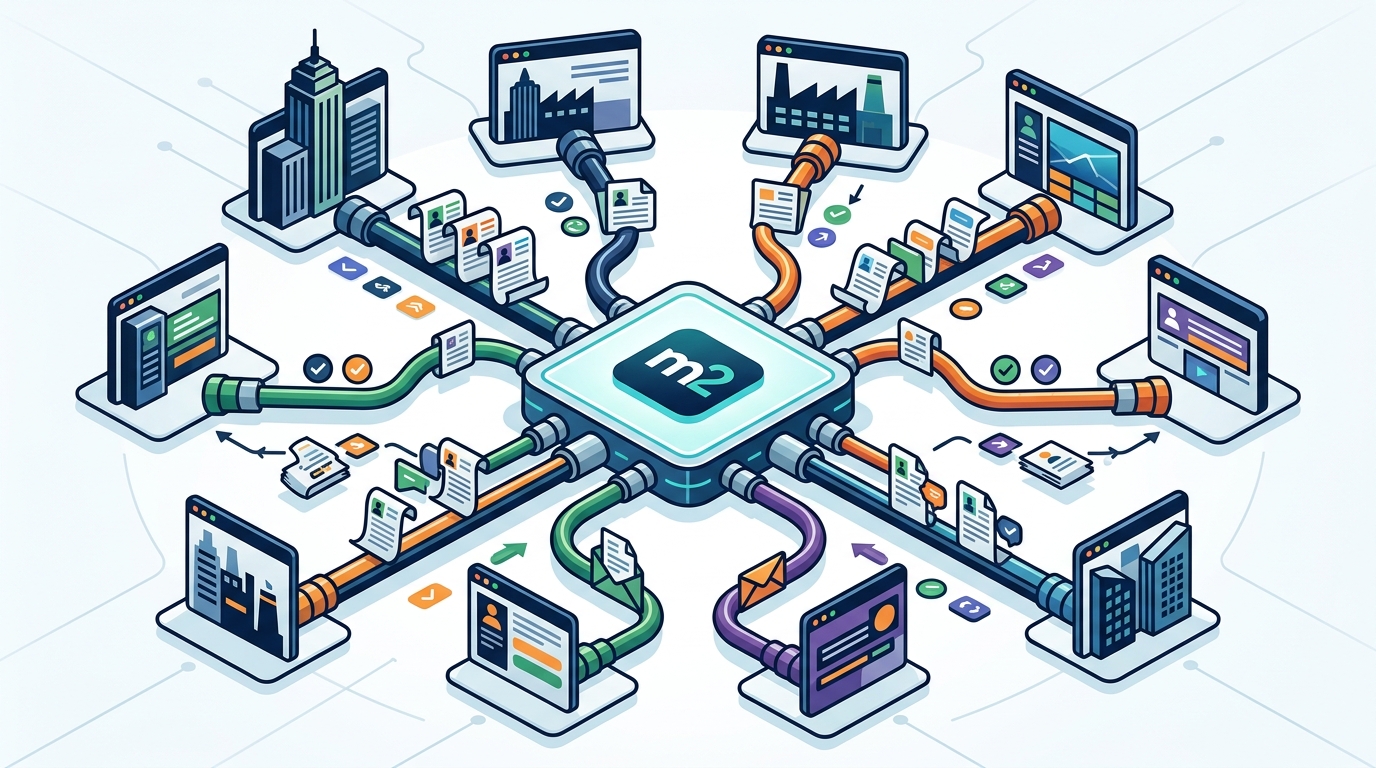
A universal candidate profile acts as a bridge between these silos. Platforms like Match2 allow candidates to create one profile that is recognized across multiple career sites. When you visit a participating employer's site, the platform recognizes your identity. It instantly populates your application with your verified data. You do not need to re-type your work history or re-upload your resume. This technology creates a seamless connection between your personal data and the employer's hiring platform.
Real-Time Status Updates
One of the most significant benefits of centralized tracking is visibility. In a traditional workflow, you might wait weeks to hear back from a recruiter. With a connected profile, you can receive real-time updates on your application status. You can see if your resume has been viewed, if you have been shortlisted, or if a new opportunity matches your skills. This transparency reduces the anxiety of the "black hole" that often characterizes the modern hiring process. It empowers you to manage your job search like a professional project.
Resume Versioning
Resume versioning is the practice of maintaining multiple tailored versions of your resume for different roles or industries. While customization is important, managing multiple files creates a high risk of error. You might accidentally apply with an outdated resume or one that lacks the keywords for a specific job. A centralized profile eliminates this risk by keeping your core data in one place.
The Risks of Manual File Management
Many candidates keep a folder of PDFs on their desktop. They might have a "General Resume," a "Marketing Resume," and a "Senior Leadership Resume." Over time, these files diverge. You update your phone number in one file but forget to update it in another. You add a new certification to one version but miss it in the others. This inconsistency can lead to disqualification. Recruiters and automated systems look for accuracy and completeness. If your data is fragmented, you appear less professional and less reliable.
Dynamic Data vs. Static Files
Static files are snapshots in time. They do not update automatically. A dynamic profile is a living document that updates in real-time. When you add a new skill or update your availability, that change is reflected across all connected platforms. This ensures that every employer sees your most current information. It removes the manual labor of copying and pasting data between different application forms. You maintain a single source of truth for your professional identity.
Optimizing for Different Audiences
Even with a single source of truth, you may need to present your experience differently for different roles. Advanced profile management allows you to highlight specific skills or projects for certain types of employers. You can curate how your data is presented without creating separate files. This approach combines the benefits of customization with the efficiency of centralization. It ensures that your core data remains consistent while your presentation adapts to the specific job requirements.
Comparison of Management Methods
| Method | Data Consistency | Time Efficiency | Visibility |
|---|---|---|---|
| Manual Portal Entry | Low | Low | None |
| Multiple Static Files | Medium | Medium | Low |
| Universal Profile | High | High | High |
Key Takeaways
- A universal candidate profile is a single digital identity that travels across employer career sites.
- Centralized tracking eliminates the need to log into multiple siloed portals.
- Resume versioning via dynamic profiles prevents data inconsistency errors.
- Real-time status updates provide visibility into your application progress.
- Static PDF files are prone to divergence and manual update errors.
- Connected platforms recognize your identity to pre-fill application forms.
- Centralization reduces the time spent on administrative tasks during job hunting.
- Consistent data presentation improves your professional credibility with recruiters.
Frequently Asked Questions
What is a universal candidate profile?
A universal candidate profile is a persistent digital record of your skills, experience, and preferences that can be accessed by multiple employers through a connected platform.
How does centralized tracking work across different companies?
Centralized tracking works by using a common identity layer. When you visit a participating employer's site, the platform recognizes your profile and syncs your data with their system.
Do I still need to upload my resume for every application?
No. With a connected profile, your resume data is transmitted automatically. You do not need to manually upload files for each new application.
Is my data private when using a universal profile?
Yes. You control your data. You choose which employers can access your profile and what information is shared. You can update or delete your data at any time.
How does this help with resume versioning?
It helps by keeping your core data in one place. You can tailor the presentation of your skills for different roles without creating separate, diverging files.
Can I see the status of all my applications in one place?
Yes. A centralized dashboard allows you to view the status of every application you have made through the connected network in a single view.
Does this replace my personal resume file?
It complements it. While you may still keep a PDF for personal records, the universal profile ensures that the data sent to employers is always current and consistent.
Conclusion
Managing your job search in 2026 requires a shift from fragmented manual entry to connected digital identity. By using a universal profile, you can consolidate your applications and resume data into a single, efficient system. This approach saves time, reduces errors, and provides the visibility you need to navigate the hiring process with confidence. Match2 provides the infrastructure for this connected experience, allowing you to manage your professional presence across the entire job market from one place.