
The modern recruitment landscape is undergoing a seismic shift driven by data analytics and artificial intelligence. According to recent industry reports, organizations utilizing advanced talent matching platforms reduce time-to-hire by an average of 40% compared to traditional methods. This statistic highlights a critical reality: manual screening is no longer viable for scaling businesses. Companies that fail to adopt automated matching technologies risk losing top-tier candidates to competitors who can offer faster, more personalized experiences. The integration of these systems is not merely a technological upgrade but a fundamental restructuring of how human capital is acquired and managed.
Precision Alignment and Reduced Bias
One of the most significant advantages of using a talent matching platform is the ability to achieve precise alignment between candidate skills and job requirements. Traditional resume screening often relies on keyword matching, which can miss nuanced competencies. In contrast, modern platforms utilize semantic analysis to understand context. This approach ensures that candidates are evaluated on their actual potential rather than just their ability to optimize a resume for an applicant tracking system.
Furthermore, these systems help mitigate unconscious bias. By focusing on objective data points such as skills assessments and work history patterns, hiring managers can make more equitable decisions. This not only improves diversity metrics but also enhances the overall quality of the hire. When bias is removed from the equation, the focus shifts entirely to merit and capability. This creates a more robust and inclusive workplace culture from the ground up.
For businesses looking to understand the specific mechanisms behind this alignment, exploring the assessment capabilities of leading platforms reveals how deep skill verification works. These tools go beyond surface-level qualifications to test real-world application of knowledge.
Efficiency Metrics and Cost Reduction
Time is money in the recruitment process. Every day a position remains open, the business loses productivity and incurs additional costs. Talent matching platforms automate the initial screening phases, allowing recruiters to focus on high-value interactions. Data shows that automated matching can cut screening time by up to 75%. This efficiency gain translates directly into lower cost-per-hire metrics.
The financial impact is substantial. When recruiters spend less time sifting through irrelevant applications, they can engage more deeply with qualified candidates. This leads to higher acceptance rates and faster onboarding. The return on investment for these platforms is often realized within the first few months of implementation. Businesses that prioritize speed and accuracy in hiring gain a competitive edge in the war for talent.
Understanding the broader ecosystem of recruitment technology is essential. You can learn more about the core features that drive these efficiency gains by reviewing detailed platform breakdowns. These insights help leaders justify the investment to stakeholders.
Enhanced Candidate Experience
In today's job market, candidates have choices. A poor recruitment experience can damage your employer brand and deter top talent. Talent matching platforms improve the candidate journey by providing faster feedback and more relevant opportunities. When candidates feel understood and valued, their engagement levels increase significantly.
Personalization is key to a positive experience. Platforms that use AI to match candidates with roles they are genuinely interested in create a more satisfying interaction. This reduces the frustration of applying to jobs that are not a good fit. A streamlined application process respects the candidate's time and effort. This positive perception often leads to referrals and a stronger talent pipeline for future openings.
For a deeper dive into how these platforms handle different types of recruitment needs, review the types of matching solutions available in the market. This knowledge helps you select a partner that aligns with your specific employer branding goals.
Scalability in High-Volume Hiring
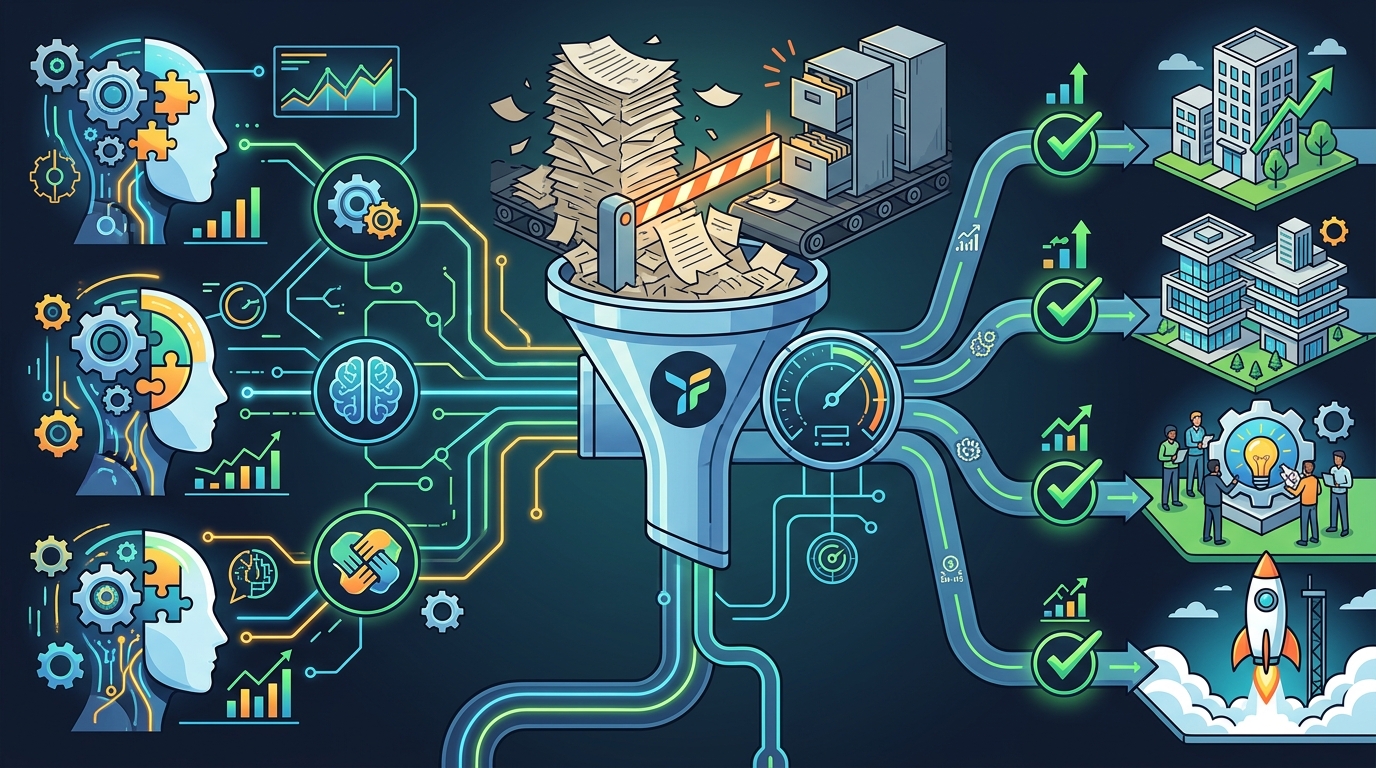
As businesses grow, so does the volume of applications. Managing thousands of resumes manually is impossible. Talent matching platforms offer the scalability needed to handle high-volume hiring without compromising quality. These systems can process vast amounts of data simultaneously, identifying top candidates in minutes rather than weeks.
This scalability is crucial for seasonal hiring, rapid expansion, or industry-wide talent shortages. The platform acts as a force multiplier for your HR team. It ensures that no qualified candidate is overlooked due to administrative bottlenecks. Consistency is maintained across all hires, regardless of the volume. This reliability is vital for maintaining operational continuity during periods of growth.
Data-Driven Decision Making
Modern recruitment is no longer just about intuition. It is about data. Talent matching platforms provide rich analytics on hiring patterns, source effectiveness, and candidate quality. These insights allow HR leaders to make informed decisions about their recruitment strategy. You can identify which channels yield the best hires and optimize your spend accordingly.
Predictive analytics can also forecast future hiring needs based on historical data. This proactive approach helps businesses stay ahead of talent gaps. By understanding the metrics that drive success, organizations can continuously refine their hiring processes. This iterative improvement leads to long-term strategic advantages. The ability to measure and improve is a hallmark of mature recruitment operations.
To see how these metrics are tracked and utilized, explore the about section of leading platform providers to understand their data privacy and analytics frameworks. Transparency in data usage is critical for trust.
Platform Feature Comparison
Choosing the right talent matching platform requires understanding the differences between available options. The table below summarizes key features to consider when evaluating potential partners.
| Feature | Basic ATS | Advanced Talent Matching Platform | AI-Driven Solution |
|---|---|---|---|
| Resume Parsing | Keyword-based | Semantic Analysis | Predictive Modeling |
| Bias Mitigation | Limited | Structured Screening | Algorithmic Fairness Checks |
| Candidate Engagement | Automated Emails | Personalized Journeys | Real-Time Interaction |
| Analytics Depth | Basic Reports | Funnel Analysis | Predictive Insights |
| Integration Capability | Standard APIs | Deep Ecosystem Links | Open Architecture |
For more details on the specific industry trends influencing these features, consult recent recruitment technology blogs. Staying updated ensures your strategy remains relevant.
Key Takeaways
- Talent matching platforms reduce time-to-hire by an average of 40% through automation.
- Semantic analysis provides deeper skill assessment than traditional keyword matching.
- Unconscious bias is mitigated by focusing on objective data points and structured evaluations.
- Scalability allows businesses to handle high-volume hiring without quality loss.
- Data-driven analytics enable continuous optimization of recruitment strategies.
- Enhanced candidate experience improves employer brand and talent attraction.
- Integration with existing HR systems ensures seamless workflow adoption.
Frequently Asked Questions
How does talent matching reduce bias in hiring?
Talent matching reduces bias by focusing on objective skills and competencies rather than demographic information. Algorithms are designed to ignore irrelevant personal details, ensuring that evaluations are based purely on merit and job-related criteria.
Can talent matching platforms handle high-volume hiring?
Yes, these platforms are built to scale. They can process thousands of applications simultaneously, identifying top candidates quickly without the need for additional manual labor. This makes them ideal for seasonal or rapid expansion hiring.
What is the difference between an ATS and a talent matching platform?
An Applicant Tracking System (ATS) primarily manages the workflow of applications. A talent matching platform goes further by using AI and data analytics to actively match candidates to roles based on deep skill analysis and cultural fit.
How do these platforms improve candidate experience?
They provide faster feedback, more relevant job suggestions, and a smoother application process. Candidates feel valued when their time is respected and their skills are accurately assessed.
Is data security a concern with talent matching platforms?
Reputable platforms adhere to strict data privacy regulations such as GDPR and CCPA. They employ advanced encryption and access controls to protect candidate information. Always review the FAQ section of any provider for specific security protocols.
What metrics should I track to measure success?
Key metrics include time-to-hire, cost-per-hire, quality-of-hire, and candidate satisfaction scores. These indicators provide a comprehensive view of your recruitment efficiency and effectiveness.
How long does implementation take?
Implementation timelines vary based on complexity. Most platforms can be integrated within a few weeks, with full optimization achieved in a few months. Training for HR teams is typically included.
Next Steps
Transform your recruitment strategy today by leveraging the power of intelligent talent matching. Discover how Match2 can streamline your hiring process and connect you with the best candidates. Visit our contact page to schedule a demo and see the difference in action.