
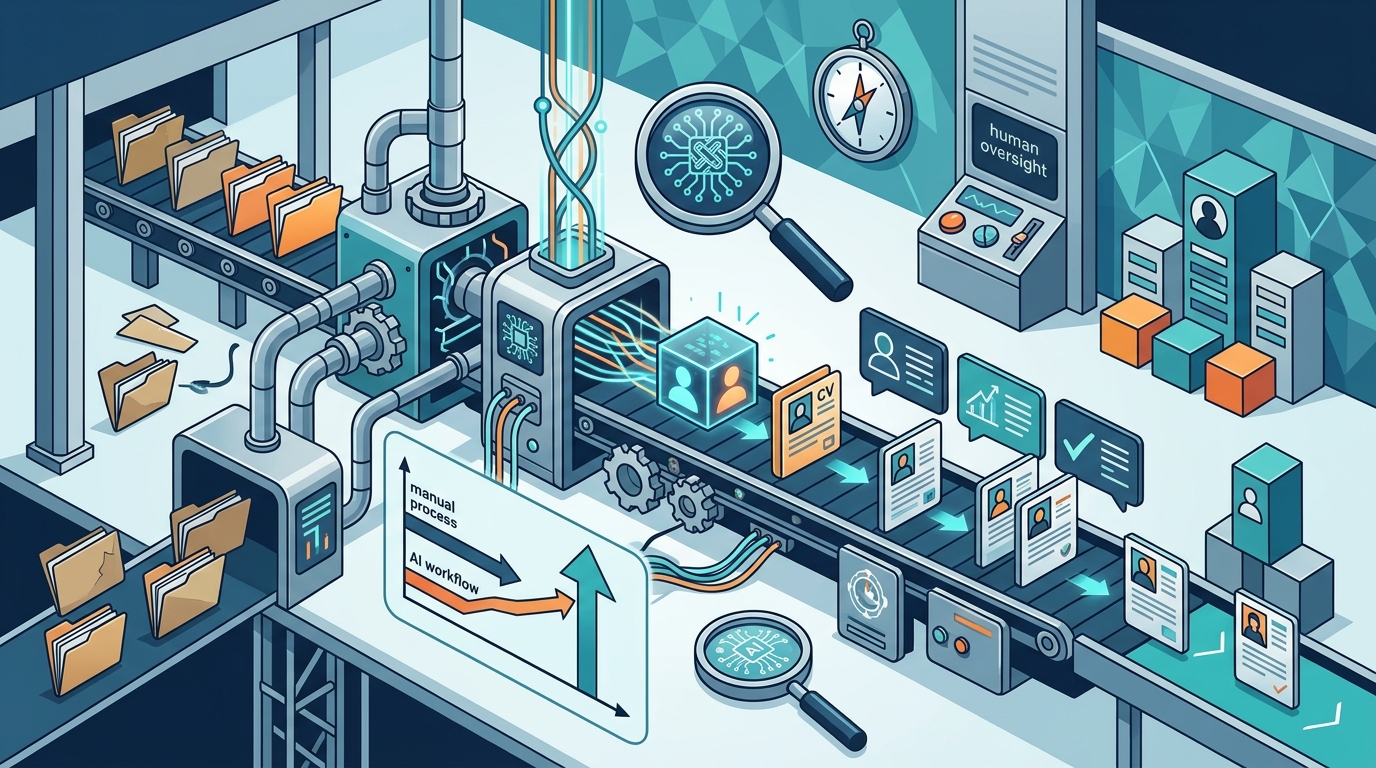
Organizations that integrate artificial intelligence into their talent acquisition strategies report a 40% reduction in time-to-hire compared to traditional manual processes. This shift is not merely a trend but a structural evolution in how enterprises source, screen, and engage candidates. As the labor market becomes increasingly competitive, leveraging technology to streamline candidate journeys is essential for maintaining a competitive edge. This guide outlines the critical steps for deploying AI effectively while maintaining human oversight and ethical standards.
Understanding AI in Recruiting
Before deploying any technology, it is vital to define what AI brings to the table. AI in recruiting refers to the use of machine learning algorithms and natural language processing to automate repetitive tasks, predict candidate success, and enhance decision-making. Unlike traditional Applicant Tracking Systems (ATS) that simply store data, AI actively analyzes patterns to surface the most relevant talent.
According to recent industry reports, companies using AI-driven recruitment tools see a significant increase in the quality of hires. The technology allows recruiters to focus on high-value activities like relationship building and strategic planning rather than sifting through hundreds of unqualified resumes. This shift transforms the recruiter from an administrator to a strategic partner.
For a deeper look at the specific capabilities available, explore the features offered by modern recruiting platforms. Understanding these capabilities helps in selecting the right tool for your specific organizational needs.
Preparation and Infrastructure
Successful implementation begins with a robust data foundation. AI models are only as good as the data they are trained on. Organizations must ensure their historical hiring data is clean, structured, and free of legacy biases. This process involves auditing past hiring decisions to identify patterns that may have led to homogeneous teams.
Infrastructure readiness is equally critical. Your existing HR tech stack must be compatible with AI solutions. This often means integrating your current ATS with new AI modules or switching to a platform designed for connected candidate experiences. Visit the about page to understand how modern platforms are built to support this level of integration.
Key preparation steps include:
- Auditing current data quality and completeness.
- Defining clear KPIs for AI performance.
- Ensuring IT security compliance for candidate data.
For more insights on the types of AI applications suitable for your workflow, review the types of AI solutions available in the market.
Integration Strategies
Integration should be phased to minimize disruption. Start with low-risk, high-impact areas such as resume screening or initial candidate engagement. These tasks are repetitive and benefit greatly from automation, freeing up recruiter time for complex interactions.
One effective strategy is to use AI for predictive analytics. By analyzing historical data, AI can predict which candidates are most likely to succeed in a role. This approach reduces the risk of bad hires and improves overall workforce quality. Learn more about the assessment capabilities that support this predictive modeling.
When integrating, ensure that the AI tool provides transparency. Recruiters need to understand why the AI is recommending a specific candidate. Black-box algorithms can erode trust and lead to poor adoption. Choose platforms that offer explainable AI features.
Bias and Ethics
AI can perpetuate bias if not carefully monitored. Historical hiring data often contains unconscious biases that the AI may learn and amplify. To mitigate this, organizations must regularly audit AI algorithms for fairness. This involves checking for disparate impact across demographic groups.
Ethical AI use is not just a moral imperative but a legal requirement in many jurisdictions. Regulations regarding algorithmic decision-making are becoming stricter. Companies must ensure their AI practices comply with these evolving standards. For detailed guidance on compliance and best practices, check the FAQ section regarding data privacy and ethical use.
Best practices for ethical AI include:
- Regularly auditing algorithms for bias.
- Maintaining human oversight in final hiring decisions.
- Being transparent with candidates about AI usage.
According to a 2024 study on workplace ethics, organizations that prioritize transparent AI practices report higher candidate trust and employer brand reputation. This data highlights the importance of ethical considerations in technology adoption.
Candidate Experience
AI should enhance, not hinder, the candidate experience. Automated responses and timely feedback are critical. Candidates expect a seamless and responsive interaction throughout the hiring process. AI chatbots can provide instant answers to common questions, improving engagement.
However, over-automation can feel impersonal. It is crucial to strike a balance between efficiency and human connection. Use AI to schedule interviews and send updates, but ensure that human recruiters are available for meaningful conversations. The goal is to make candidates feel valued and respected.
Consider the contact options available in your platform to ensure candidates can easily reach out for support. A responsive support system is a key component of a positive candidate journey.
Measuring Success
To justify the investment in AI, you must measure its impact. Key metrics include time-to-hire, cost-per-hire, quality of hire, and candidate satisfaction scores. Track these metrics before and after implementation to assess the true value of the technology.
Continuous improvement is essential. AI models need to be retrained regularly to adapt to changing market conditions and organizational goals. Establish a feedback loop where recruiters can report on the accuracy of AI recommendations.
Use the blog for ongoing insights and updates on measuring AI performance in recruiting. Staying informed about industry trends helps in refining your strategy over time.
Key Takeaways
- Data Quality is Paramount: Clean, unbiased historical data is the foundation of effective AI.
- Phased Integration: Start with low-risk tasks like screening to build confidence.
- Ethical Oversight: Regular audits are necessary to prevent algorithmic bias.
- Human-in-the-Loop: AI should assist, not replace, human decision-making.
- Candidate-Centric Design: Ensure AI enhances, not detracts from, the candidate experience.
- Continuous Measurement: Track KPIs to demonstrate ROI and guide improvements.
- Transparency: Be open with candidates about how AI is used in the process.
Frequently Asked Questions
How does AI reduce bias in recruiting?
AI can reduce bias by focusing on skills and qualifications rather than demographic markers. However, this requires careful auditing to ensure the algorithm itself is not learning historical biases.
What is the best time to implement AI in recruiting?
The best time is when you have a clear strategy and clean data. Implementing AI without a plan can lead to confusion and poor results.
Can AI replace human recruiters?
No, AI is designed to augment human recruiters by handling repetitive tasks, allowing them to focus on strategic and interpersonal aspects of hiring.
How do I measure the ROI of AI in recruiting?
Track metrics such as time-to-hire, cost-per-hire, and quality of hire before and after implementation to calculate the return on investment.
Is candidate data secure with AI tools?
Reputable AI providers use enterprise-grade security measures. It is crucial to verify their compliance with data protection regulations like GDPR and CCPA.
What are the common challenges in AI implementation?
Common challenges include data quality issues, resistance to change, and ensuring ethical use. Proper planning and training can mitigate these risks.
How does AI improve candidate engagement?
AI enables faster responses, personalized communication, and seamless scheduling, all of which enhance the candidate experience.
What should I look for in an AI recruiting platform?
Look for platforms that offer transparency, ease of integration, strong security, and robust support. Explore the features to find the right fit.
Get Started with Match2
Transform your recruiting workflow with intelligent, connected candidate solutions. Match2 provides the tools you need to streamline hiring, reduce bias, and improve candidate engagement. Contact us today to schedule a demo and see how AI can elevate your talent acquisition strategy.