
The recruitment landscape is undergoing a seismic shift driven by artificial intelligence. According to recent industry data, organizations utilizing advanced AI recruiting solutions report a significant reduction in time-to-hire metrics compared to traditional manual screening processes. This transformation is not merely about speed. It is about precision. Companies are moving away from keyword stuffing and toward semantic understanding of candidate potential. The goal is to identify high-fit talent that aligns with both technical requirements and cultural nuances. This guide explores the critical features you must evaluate when selecting an AI hiring platform to ensure your organization stays ahead in the competitive talent market.
Understanding AI Recruiting Solutions
Before diving into specific features, it is vital to define what modern AI recruiting actually entails. AI recruiting is the application of machine learning algorithms and natural language processing to automate and enhance various stages of the hiring process. This includes resume parsing, candidate scoring, interview scheduling, and predictive analytics for retention.
Traditional Applicant Tracking Systems (ATS) act as digital filing cabinets. They store data but rarely analyze it deeply. In contrast, an AI-powered platform actively works to connect the right talent with the right opportunities. This distinction is crucial for HR leaders who want to move from reactive hiring to proactive talent acquisition. For a deeper look at how these systems operate, you can explore the assessment capabilities that form the backbone of modern matching engines.
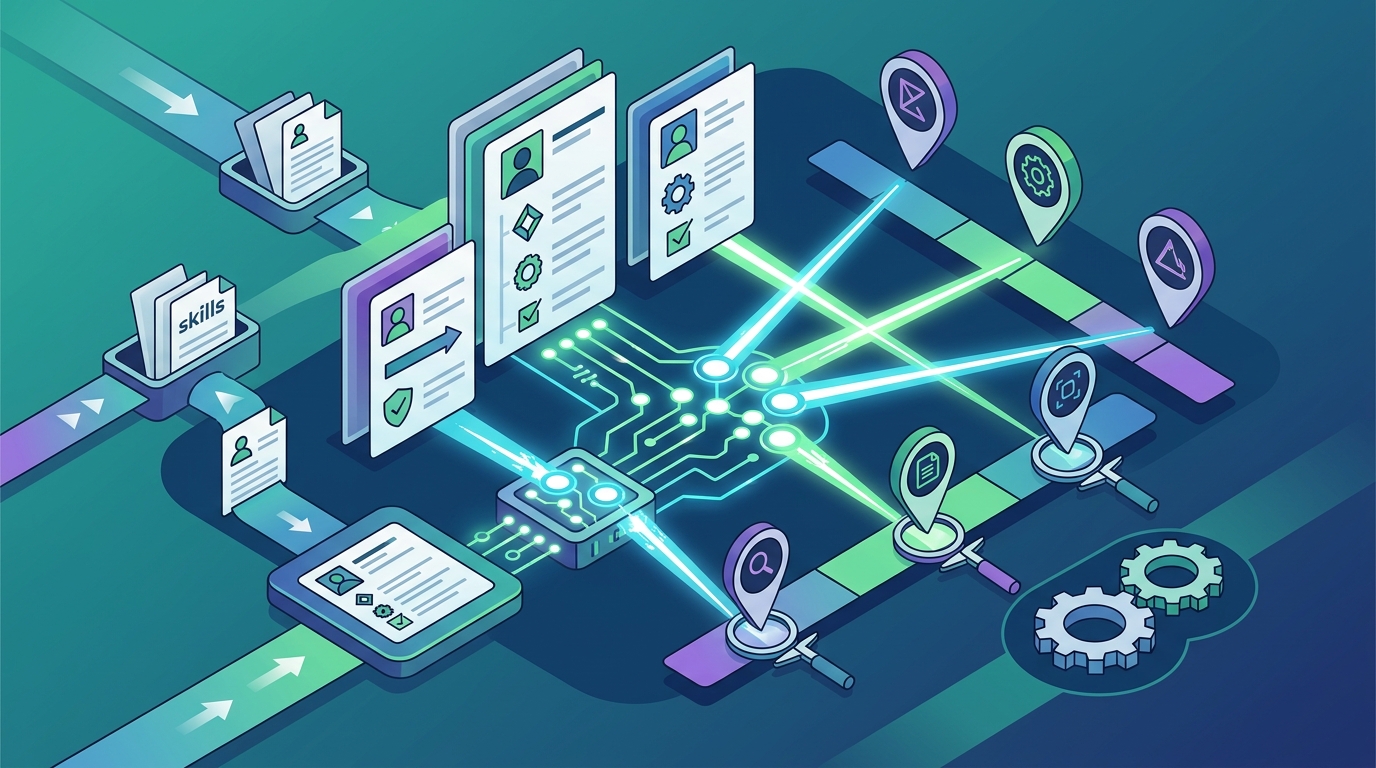
The effectiveness of these systems relies on their ability to process unstructured data. Resumes, cover letters, and even video interview transcripts contain vast amounts of information. AI tools extract this data, normalize it, and compare it against job descriptions using semantic similarity rather than exact keyword matches. This allows for a more nuanced view of a candidate's capabilities.
Core Matching Features to Evaluate
Not all AI tools are created equal. When evaluating platforms, you must look for specific technical capabilities that drive accurate candidate matching. These features determine whether the AI will help you find a needle in a haystack or simply make the haystack bigger.
Semantic Search and Parsing
Semantic search is the ability of the system to understand the context and intent behind words, not just the words themselves. For example, a candidate might list "Python" and "Django" in their skills, while the job description asks for "backend web development." A basic keyword matcher might miss this connection. An AI system with robust semantic parsing will recognize the relationship and rank the candidate highly. This feature is essential for reducing false negatives in your talent pool.
Predictive Candidate Scoring
Predictive candidate scoring uses historical hiring data to forecast a candidate's future success. By analyzing patterns from your most successful employees, the AI can assign a relevance score to new applicants. This helps recruiters prioritize high-potential candidates. However, the accuracy of these scores depends entirely on the quality and quantity of your historical data. If your past hiring decisions were biased or inconsistent, the AI will learn those biases. This is why data hygiene is a prerequisite for effective AI adoption.
Skills-Based Assessment Integration
Modern hiring is moving away from pedigree-based hiring (where university prestige matters most) toward skills-based hiring. The best AI platforms integrate directly with assessment tools to evaluate practical abilities. This ensures that the matching process is grounded in actual competence rather than just claimed experience. You can learn more about how upgrading your recruiting strategy involves integrating these practical assessments into your workflow.
Bias Mitigation and Compliance
One of the most significant risks of AI in hiring is the potential for algorithmic bias. If the training data contains historical biases, the AI may inadvertently discriminate against certain demographic groups. Therefore, bias mitigation is not just an ethical concern. It is a legal and operational necessity.
Explainable AI (XAI)
Explainable AI refers to systems that can provide clear reasons for their decisions. When an AI rejects a candidate or ranks them lower, it should be able to articulate which factors influenced that decision. This transparency is critical for HR teams to audit the process and ensure fairness. Without explainability, you are flying blind and exposing your organization to significant legal risk.
Regulatory Compliance
Compliance with regulations such as the GDPR in Europe or local employment laws in the US is non-negotiable. AI tools must be designed to handle data privacy with extreme care. This includes the right to be forgotten, data minimization, and secure storage. Ensure that your chosen platform has robust compliance certifications and clear data governance policies. For more details on how to navigate these challenges, review the frequently asked questions regarding data security and platform reliability.
Integration and Workflow Capabilities
An AI hiring tool does not exist in a vacuum. It must integrate seamlessly with your existing tech stack. If the AI cannot pull data from your CRM or push data to your ATS, it becomes a siloed tool that creates more work for your recruiters.
API-First Architecture
Look for platforms that offer a robust API. This allows for custom integrations with your internal tools, such as Slack for notifications or specialized background check providers. An API-first approach ensures that your hiring workflow remains fluid and automated. It also future-proofs your investment, allowing you to swap out components as your needs evolve.
Vendor Ecosystem
The best platforms often come with a pre-built ecosystem of partners. This includes background check providers, video interviewing software, and onboarding tools. A strong ecosystem reduces the friction of implementation and ensures that data flows smoothly between systems. You can explore the platform features to see how Match2 connects with various recruiting workflows.
Enhancing Candidate Experience
AI should not only help recruiters. It should also improve the experience for candidates. A poor candidate experience can drive away top talent, regardless of how good the job offer is. AI can personalize communication, provide timely updates, and reduce the time candidates spend waiting for responses.
Automated Communication
AI-driven chatbots and automated emails can keep candidates informed at every stage of the process. This reduces anxiety and keeps candidates engaged. However, the tone must remain human and empathetic. Overly robotic communication can damage your employer brand. The goal is to use AI to handle the logistics, freeing up recruiters to handle the human connections.
Personalized Job Recommendations
For passive candidates, AI can recommend roles that match their evolving skill sets. This keeps your talent pipeline warm and active. It also demonstrates to candidates that your organization values their long-term career growth, not just their immediate utility. This approach builds a positive reputation in the market.
Key Takeaways
- Semantic Understanding is Critical: Keyword matching is obsolete. AI must understand context to find true skill matches.
- Bias Mitigation is Mandatory: Regular audits and explainable AI are required to ensure fair hiring practices.
- Integration Drives Efficiency: Seamless API connections with your ATS and CRM are essential for workflow automation.
- Data Quality Feeds the AI: The accuracy of predictive scoring depends entirely on the quality of your historical hiring data.
- Candidate Experience Matters: AI should enhance communication speed and personalization, not replace human empathy.
- Compliance is Non-Negotiable: Ensure your platform meets GDPR and local employment law requirements.
- Skills-Based Hiring is the Future: Prioritize platforms that integrate practical assessments over pedigree-based metrics.
Frequently Asked Questions
What is the primary benefit of using AI in candidate matching?
The primary benefit is the ability to process vast amounts of unstructured data quickly and accurately, identifying high-fit candidates that manual screening might miss due to cognitive bias or fatigue.
How does AI reduce bias in hiring?
AI can reduce bias by focusing on skills and competencies rather than demographic indicators. However, this requires careful design, regular auditing, and the use of explainable AI to ensure the algorithms are not learning historical biases.
Can AI replace human recruiters?
No. AI is designed to augment human recruiters by handling repetitive tasks like screening and scheduling. Human recruiters provide the empathy, negotiation skills, and cultural assessment that AI cannot replicate.
What is semantic search in recruiting?
Semantic search is a technology that understands the meaning and context of words, allowing it to match candidates based on skills and experience even if the exact keywords in the job description are not present in their resume.
How important is data privacy in AI hiring tools?
Data privacy is critical. AI tools must comply with regulations like GDPR and CCPA. They must ensure that candidate data is stored securely and used only for the intended hiring purposes.
What should I look for in an AI recruiting platform?
Look for semantic search capabilities, predictive scoring, bias mitigation features, seamless API integrations, and a strong focus on candidate experience. Also, verify the platform's compliance with relevant employment laws.
How does AI improve time-to-hire?
AI automates the initial screening and scheduling processes, which are traditionally the most time-consuming parts of recruitment. This allows recruiters to focus on engaging with top candidates, significantly reducing the overall hiring timeline.
Ready to Upgrade Your Recruiting Strategy?
Effective candidate matching is no longer a luxury. It is a necessity for attracting top talent in a competitive market. By implementing the right AI features, you can streamline your hiring process, reduce bias, and make more data-driven decisions. Do not let outdated tools hold your organization back.
Explore how Match2 can transform your recruiting workflow with connected candidate solutions. Contact us today to schedule a demo and see the difference AI can make in your hiring outcomes.